Exosome Therapy Side Effects: What to Expect After Treatment

If you're exploring exosome therapy as part of a broader regenerative health strategy, understanding the potential side effects is a natural and important step. Like any advanced therapeutic approach, exosome therapy comes with a profile of possible reactions: most of which are mild and short-lived. This post offers an honest, medically grounded overview of what patients commonly experience after treatment, what falls within the range of normal, and when it makes sense to reach out to your care team. Making an informed decision starts with a clear picture of both the possibilities and the precautions.
What Are the Most Common Exosome Therapy Side Effects?
Research and clinical observation suggest that exosome therapy is generally well-tolerated, particularly when administered under physician supervision using high-quality sourced products. That said, some patients do experience mild, transient reactions in the hours or days following treatment.
The most frequently reported exosome therapy side effects include:
- Fatigue: The most common response reported, typically resolving within 24 to 48 hours as the body processes the treatment.
- Headache: Mild headaches are occasionally noted, often linked to post-infusion immune signaling activity.
- Low-grade fever: A mild febrile response can occur, generally brief in duration and considered a sign of biological activity rather than an adverse event.
- Chills: Some patients report temporary chills following IV-based administration, which typically resolve without intervention.
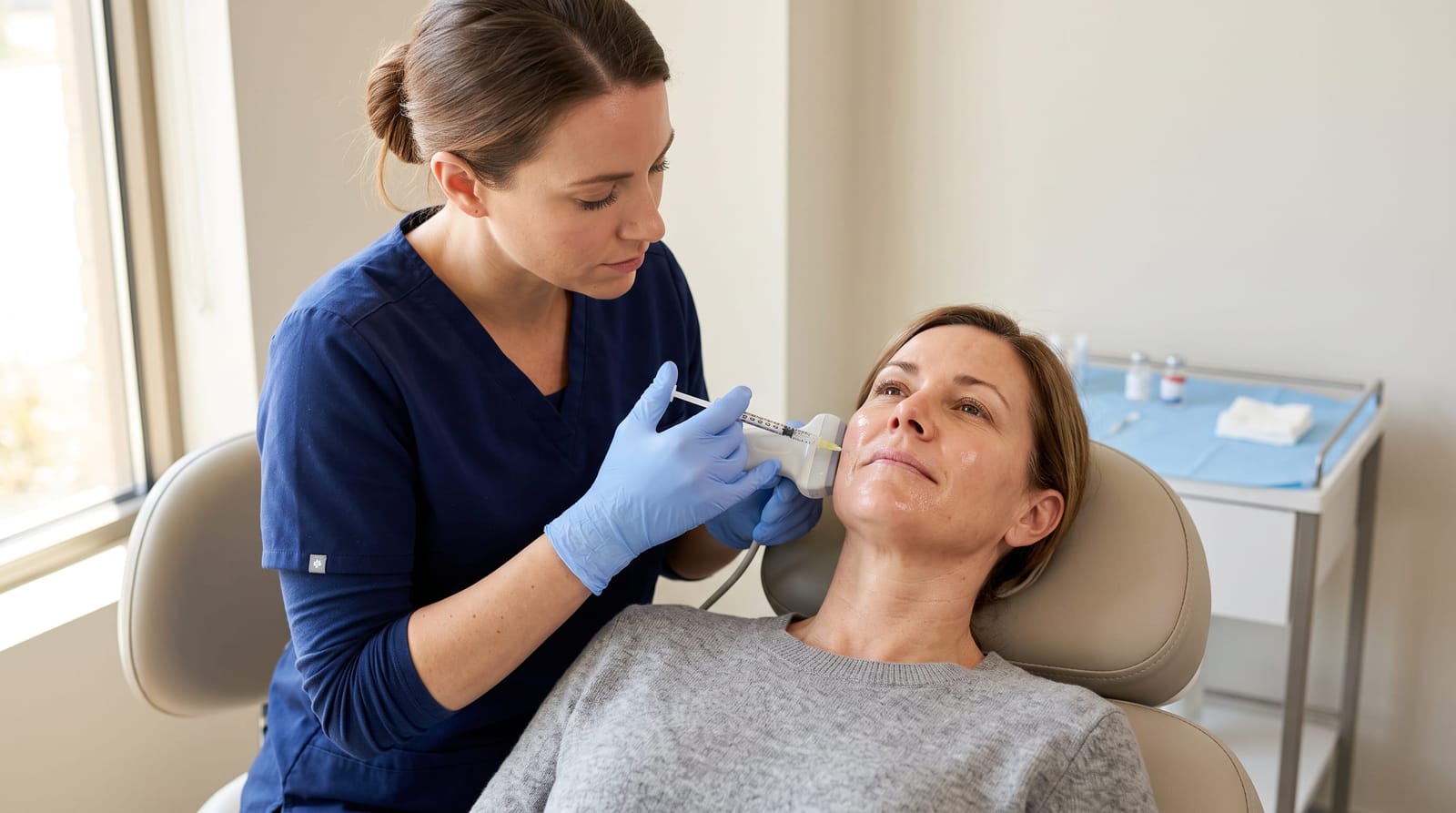
- Localized discomfort: For injection-based delivery, patients may notice mild soreness or swelling at the treatment site.
Because exosomes are cell-free and non-replicating, they carry a lower theoretical risk of immune rejection compared to whole-cell therapies. However, every patient's physiology is different, and individual responses can vary based on health status, treatment area, and dosage protocols. None of this constitutes a prediction of your personal experience: your physician is the right person to walk you through what's most relevant to your situation.
What's Normal vs. What Warrants a Call to Your Clinic?
Understanding the difference between an expected post-treatment response and a sign that something needs medical attention is one of the most practical things a patient can know going into any regenerative therapy.
Typically Within the Normal Range
Mild fatigue that clears within 1 to 2 days, a slight headache, or a brief feeling of being "off" are generally considered part of the body's adjustment process. Some patients describe a short period of heightened sensitivity or subtle flu-like feelings within the first 24 hours. These responses often reflect the inflammatory signaling cascades that exosomes are known to modulate, not a sign that something has gone wrong.
When to Contact Your Care Team
You should reach out to your clinic promptly if you experience any of the following after exosome therapy:
- Fever above 101°F that doesn't resolve within 24 hours
- Severe or worsening headache not relieved by rest or hydration
- Significant swelling, redness, or warmth beyond the treatment area
- Shortness of breath, chest discomfort, or unusual heart palpitations
- Any symptom that feels markedly different from what your physician described beforehand
This isn't an exhaustive list, and it's not intended as medical advice for your specific situation. Your treating physician will review your individual health history and establish clear post-treatment guidelines tailored to you. The key principle is: when in doubt, call.
Emerging Research: What Longer-Term Considerations Exist?
The field of exosome therapy is still evolving, and it's important to approach the longer-term picture with honest transparency. Some peer-reviewed research has raised questions about potential effects with repeated or prolonged use. For example, studies have noted that exosome activity in certain tissue environments, particularly those involving fibroblast signaling, could theoretically contribute to increased scarring or tissue remodeling over time in some contexts. Cardiac tissue studies have also highlighted that unintended downstream effects are an active area of scientific inquiry.
The FDA has issued guidance cautioning consumers about unverified claims surrounding exosome products, and the regulatory landscape continues to develop. This is why sourcing quality, physician oversight, and transparent clinical protocols matter enormously when evaluating exosome therapy side effects over the longer term. Patients considering multiple sessions: a topic explored further in how many exosome therapy sessions you need to see results: should have ongoing conversations with their provider about cumulative monitoring and response assessment.
None of this is meant to alarm; it's meant to reinforce that thoughtful, supervised care is the appropriate standard for this category of treatment.
How Product Quality and Clinical Oversight Affect Your Risk Profile
Not all exosome products are created equal, and this is one of the most clinically meaningful factors in the exosome therapy side effects conversation. The purity, concentration, sourcing, and handling of exosome preparations can vary significantly across providers, with direct implications for safety and patient experience.
At Chara Health, Dr. Joy Kong applies a research-backed standard to sourcing and formulation, drawing on her background in regenerative medicine to evaluate product quality with a rigor that goes beyond general market availability. Key quality indicators that influence risk profiles include:
- Sterility testing: Products should be confirmed free of bacterial or fungal contamination.
- Particle concentration and sizing: Properly characterized exosome preparations allow for more predictable dosing and response monitoring.
- Consistent manufacturing standards: Sourcing from facilities with documented quality controls reduces variability.
- Physician-guided administration: Infusion speed, delivery route, and patient screening all affect tolerability.
Understanding the regulatory context of exosome products, including questions about what is and isn't FDA-cleared, is also important background for any patient. A deeper look at that landscape is available in what Los Angeles patients need to know about FDA approval and exosome therapy.
How to Support Your Body After Exosome Therapy
While your physician will provide personalized post-treatment guidance, there are general wellness principles that many patients find supportive during the recovery window following exosome therapy:
- Hydration: Adequate fluid intake in the 24 to 48 hours following treatment is commonly recommended to support cellular processing.
- Rest: Allowing your body time to respond without excessive physical stress may support a more comfortable recovery period.
- Avoid aggressive inflammation triggers: Intense exercise, alcohol, and inflammatory foods in the immediate post-treatment window are worth discussing with your provider.
- Monitor and document: Keeping a simple note of how you feel in the days after treatment can be valuable information for your clinical team at follow-up.
These are general wellness considerations, not prescriptive instructions. Your care plan at Chara is designed to be individualized: your post-treatment guidance will reflect your health history, treatment approach, and goals.
Frequently Asked Questions
How long do exosome therapy side effects typically last?
For most patients, any mild side effects from exosome therapy, such as fatigue, low-grade fever, or headache, resolve within 24 to 72 hours. Localized injection-site discomfort, if present, may persist slightly longer. If symptoms extend beyond a few days or worsen, contacting your treating physician is the appropriate step.
Are exosome therapy side effects more common with IV administration versus injections?
The delivery route can influence the type and pattern of post-treatment responses. IV-administered exosome therapy has been associated with systemic responses such as chills or brief fever, while localized injection tends to produce more site-specific reactions. Your physician will discuss what's most relevant based on your specific treatment plan.
Can exosome therapy cause an allergic reaction?
While serious allergic reactions are not commonly reported in clinical literature, any biological product carries a theoretical risk of immune response. Thorough patient screening before treatment, including a review of health history and known sensitivities, is an important step in minimizing this risk. This is one reason physician-supervised administration is essential.
Is exosome therapy safe for people with autoimmune conditions?
Patients with autoimmune conditions require particularly careful evaluation before pursuing exosome therapy, as immune modulation is central to how exosomes function. This is not a category where general guidance applies uniformly. A detailed consultation with a physician experienced in regenerative medicine is essential before making any treatment decisions in this context.
The Bottom Line on Exosome Therapy Side Effects
For most patients, exosome therapy side effects are mild, transient, and manageable, with fatigue, mild headache, and brief flu-like symptoms representing the most commonly observed responses. The key variables in minimizing risk are product quality, appropriate patient selection, and physician-guided care throughout the process. As with any emerging therapy, the science is still developing, and honest conversations with a knowledgeable provider remain the most important foundation. If you're exploring exosome therapy as part of a personalized regenerative health strategy in Los Angeles, the clinical team at Chara Health is available to discuss your questions in detail.