Non-Surgical Body Sculpting Claims: How to Evaluate Stem Cells, Peptides, and Exosomes
Stem cells, peptides, and exosomes are not interchangeable body-sculpting technologies. When a proposal links them to fat reduction or skin tightening, evaluate the exact product, the evidence in people for that specific use, and the risks. A description of cell biology alone is not evidence of a visible change in body shape.
Non-invasive body contouring generally uses devices to change the appearance of a particular area. Stem cells, peptides, and exosomes are biological components with distinct functions. Keeping these categories separate helps you compare proposals without confusing an appearance-related goal with mobility, recovery, or long-term wellness.
Step 1: Define the Change You Want to Evaluate
“Body sculpting” can refer to several appearance-related goals, including a smaller localized bulge, a change in muscle definition, or less visible skin laxity. Those outcomes are different from weight loss, greater strength, or better overall health.
The FDA’s explanation of non-invasive body contouring distinguishes these procedures from weight-loss interventions. It also explains that different technologies address different aspects of body appearance.
A useful starting point is to put your goal into one clear sentence:
- Appearance: “I want to understand options for changing the contour of one area.”
- Function: “I want to understand why a particular activity feels difficult.”
- Wellness: “I want to discuss my long-term health priorities.”
These statements lead to different conversations. For example, a reduction in the appearance of an abdominal bulge is an appearance-related outcome. Metabolic health requires a separate assessment. Likewise, a discussion about cellular activity answers a different question from whether an intervention changes waist measurements.
A specific goal makes it easier to recognize when a proposal addresses your concern and when the explanation shifts toward a different outcome.
Step 2: Understand What Stem Cells, Peptides, and Exosomes Are
These terms describe distinct biological categories, not a single method or a predictable set of results.
Stem cells are cells with specialized biological capabilities
Stem cells can renew themselves and, depending on their type and biological context, develop into specialized cells. Their properties differ across cell types, as explained in the NIH overview of stem cell basics.
Evaluating a body-contouring claim requires moving beyond that biological definition. The relevant questions concern the specific preparation, its intended use, and the outcomes measured in people. The broad label “stem cells” says little about a product’s composition, clinical effects, or how long an effect might last.
Peptides are short chains of amino acids
Peptides consist of amino acids linked together, according to the National Cancer Institute’s definition of a peptide. The category includes many different molecules, so the word does not identify one biological action or one clinical purpose.
A broad statement about “peptides for body composition” leaves out the details needed to evaluate it. The identity of the substance, formulation, route of administration, intended use, and clinical evidence all matter. Findings about one peptide cannot simply be applied to another because they share a category name.
Exosomes are cell-released particles, not cells
Exosomes are small membrane-bound particles released by cells. They can carry proteins and other biological material between cells, as described in the National Cancer Institute’s explanation of exosomes.
Unlike stem cells, exosomes are not living cells. Describing the biological material they carry explains a mechanism of cellular communication, not the effect of a commercial procedure on body contour.
The practical distinction is the same across all three categories: how something functions biologically and what a particular intervention accomplishes in people are separate questions.
Step 3: Match the Evidence to the Exact Claim
The most useful clinical evidence addresses the proposed intervention, the intended outcome, and a relevant patient population. Findings about a related substance or a different use do not automatically transfer.
For example, an observation about cell signaling in a laboratory answers a biological question. A claim about changing body contour needs measurements of that outcome in people. Similarly, a study measuring a blood marker answers a different question from one measuring fat thickness, skin laxity, or physical function.
These questions make an evidence discussion more concrete:
- What was evaluated? Was it the same product or device, rather than something in the same broad category?
- Who participated? Were the findings from people, and were their circumstances relevant to the proposed use?
- What changed? Did the study measure appearance, body composition, function, symptoms, or a laboratory marker? How meaningful was the change for the stated goal?
- What was the comparison? Was there a comparison group that helped distinguish the intervention’s effect from other changes?
- How long were participants followed? An early observation and a lasting outcome are different findings.
- How were harms assessed? Benefits and adverse effects belong in the same evaluation.
These details are more informative than labels such as “advanced,” “natural,” or “regenerative.” They connect the explanation to the result you are actually considering.
Step 4: Separate Regulatory Status, Product Testing, and Clinical Benefit
Regulatory language needs to refer to the exact product or device and its intended use. Establishment registration, laboratory testing, and FDA approval are different concepts.
The FDA cautions that registration or a listing on ClinicalTrials.gov is not proof that a regenerative medicine product is legally marketed. Its patient information on regenerative medicine products explains these distinctions.
Useful questions for a product discussion include:
- What is the exact name and composition of the proposed product?
- What regulatory status applies to that product and the proposed use?
- Which characteristics does any laboratory testing measure?
- What clinical evidence addresses the outcome being discussed?
Third-party testing answers only the questions covered by the test. A laboratory report about product characteristics serves a different purpose from a clinical study measuring benefits and harms in people. Product testing is not a substitute for evidence of a meaningful clinical benefit.
Step 5: Evaluate Session Counts and Combination Plans Separately
There is no single session schedule for everything described as non-surgical body sculpting, and no shared schedule for stem cells, peptides, and exosomes. A proposed visit plan needs to connect a specific intervention with a defined goal and a way to evaluate progress.
When comparing how many body sculpting sessions a plan involves, separate three details:
- The initial course: What is proposed, and what supports that schedule?
- The evaluation point: When and how will the outcome be assessed?
- Additional visits: What finding would justify further intervention?
A package of appointments is a planning detail, not evidence that every visit adds benefit.
The same reasoning applies when a plan combines contouring with skin tightening or adds a biological product. Each component needs a clear purpose. Evidence for two interventions individually is different from evidence for their combined benefits and risks.
For example, if a proposal addresses both a localized bulge and skin laxity, the explanation needs to identify which component addresses each concern. The expected contribution of each component also needs to be distinguished from the claim made for the overall package.
Step 6: Compare Alternatives by What They Actually Do
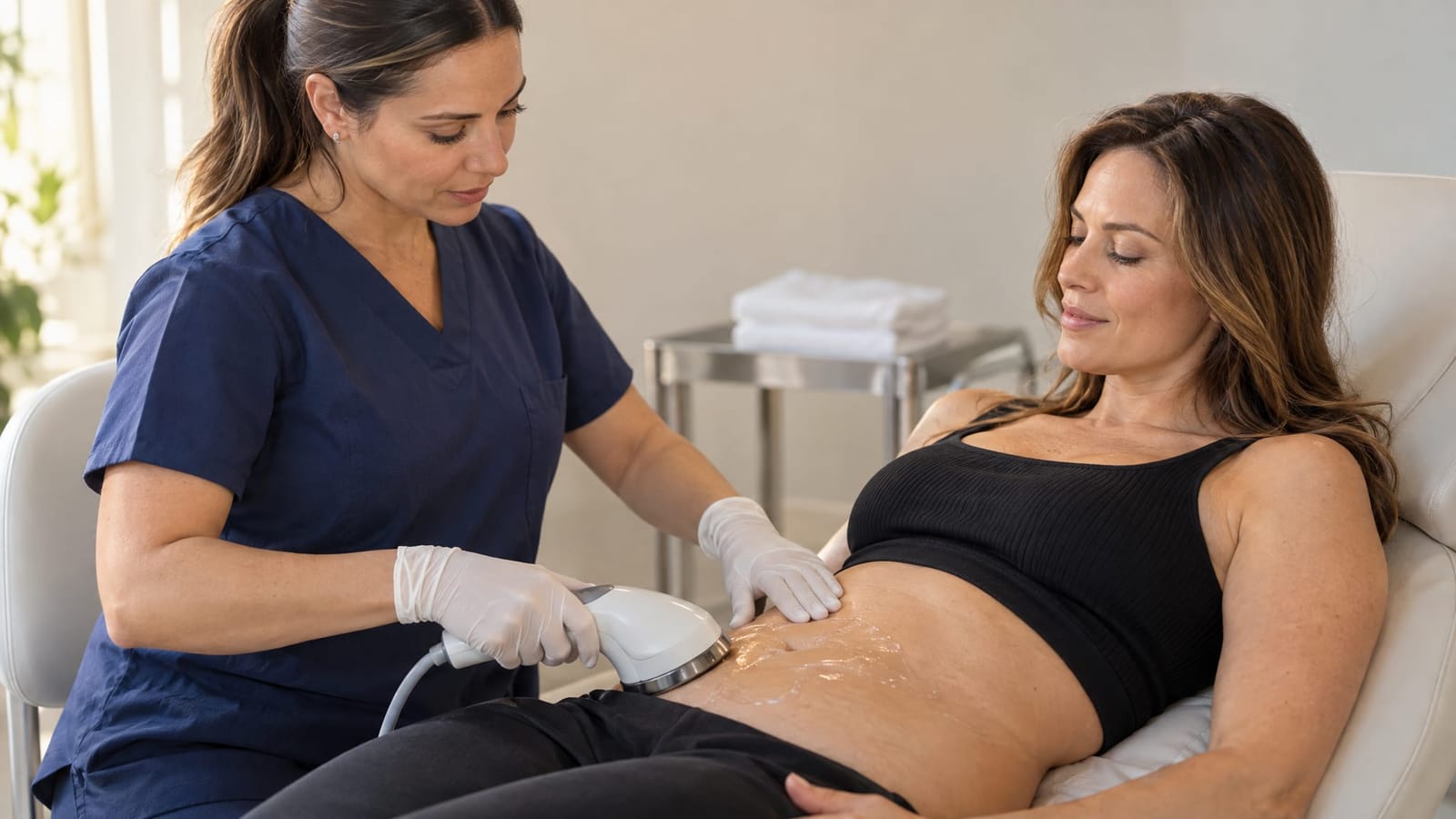
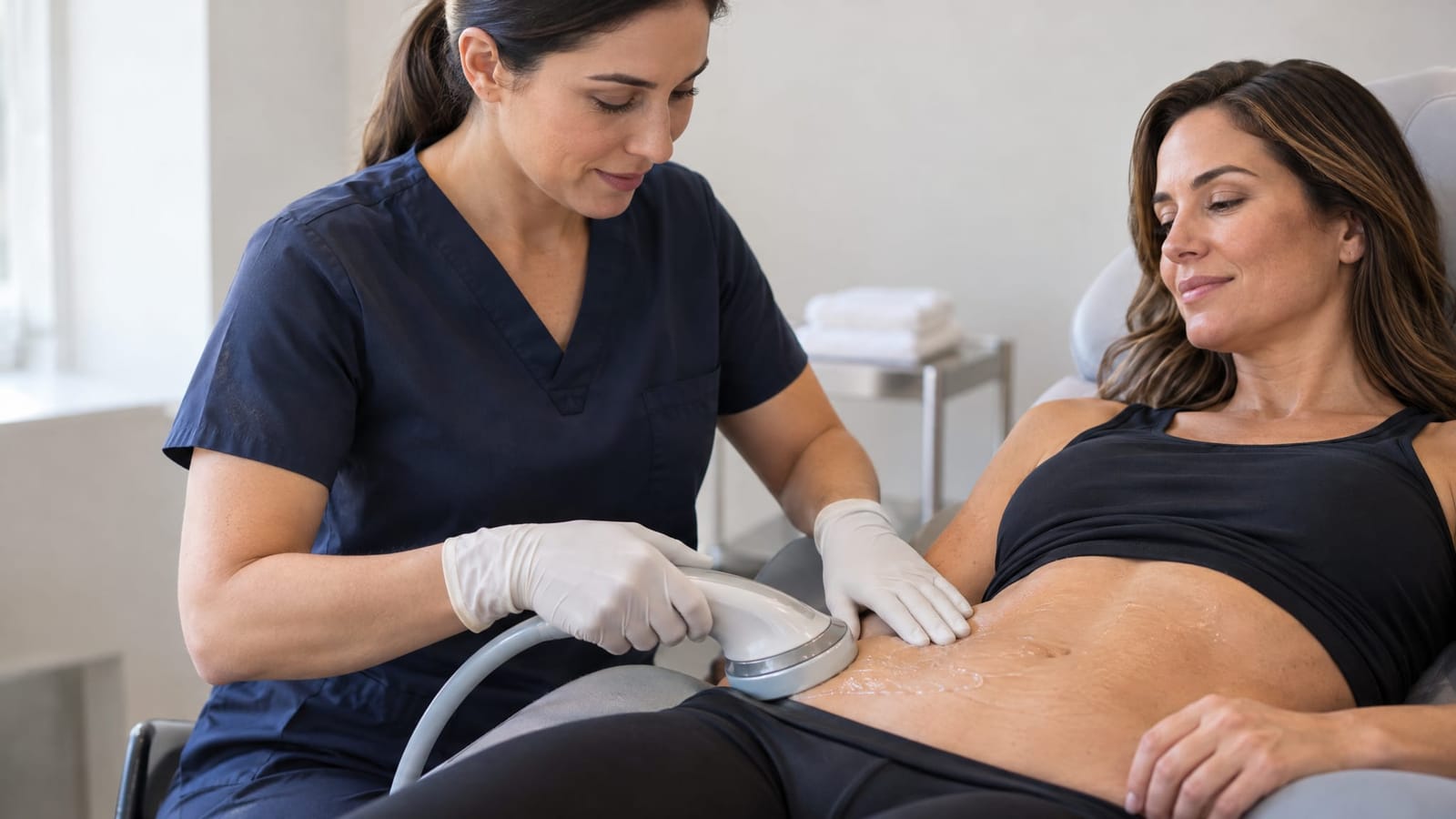
A comparison of body sculpting vs liposuction concerns fundamentally different procedures. Liposuction surgically removes fat. Non-invasive contouring devices act from outside the body using technology-specific mechanisms. Stem cells, peptides, and exosomes are biological categories, not equivalent versions of either approach.
The FDA’s body contouring information describes technologies that use cooling, heat, ultrasound, or other physical mechanisms. It explains that effects may be limited and that some outcomes may be temporary. It also describes technology-dependent complications, including pain, swelling, burns, and other adverse effects.
A fair comparison considers more than whether an option involves surgery:
- Scope: What specific change is the intervention intended to produce?
- Evidence: What outcomes have been measured for that particular use?
- Burden: What appointments, aftercare, and recovery demands are involved?
- Risk: What complications are relevant to the method and the individual?
- Alternatives: How does the proposal compare with established care or choosing no procedure?
Non-invasive does not mean risk-free. Risks associated with biological products also require their own assessment, rather than being inferred from the experience of device-based procedures.
Step 7: Prepare for a Goal-Focused Medical Discussion
This article provides general education; decisions about your own care need an individualized physician evaluation. At Chara Health USA in Chatsworth, we offer personalized consultations with Dr. Joy Kong focused on cellular health and longevity.
A concise consultation summary can help keep the discussion focused:
- Your main goal: Describe the appearance, function, or wellness question you want to address.
- Your medical context: Include relevant medical history, medications, supplements, and previous procedures.
- The proposal you are evaluating: Bring the specific product or device name and the outcome being claimed.
- Your practical considerations: Note travel, follow-up visits, recovery demands, and total expected costs, including any proposed additional sessions.
- Your decision questions: Ask how benefits, risks, alternatives, and progress would be assessed.
A defined goal also makes outcome measurement more useful. Standardized appearance measurements answer a different question from a functional assessment or a general report of feeling better. The method of assessment needs to match the reason for considering an intervention.
Keep the Claimed Outcome Separate From the Scientific Vocabulary
A useful proposal can be explained in plain language: what is being proposed, which goal it addresses, and what evidence supports that connection. Scientific terminology can help explain an approach, but it cannot replace a careful assessment of the specific outcome, risks, and alternatives.