Skin Tightening Without Surgery: Collagen Science and Regenerative Medicine
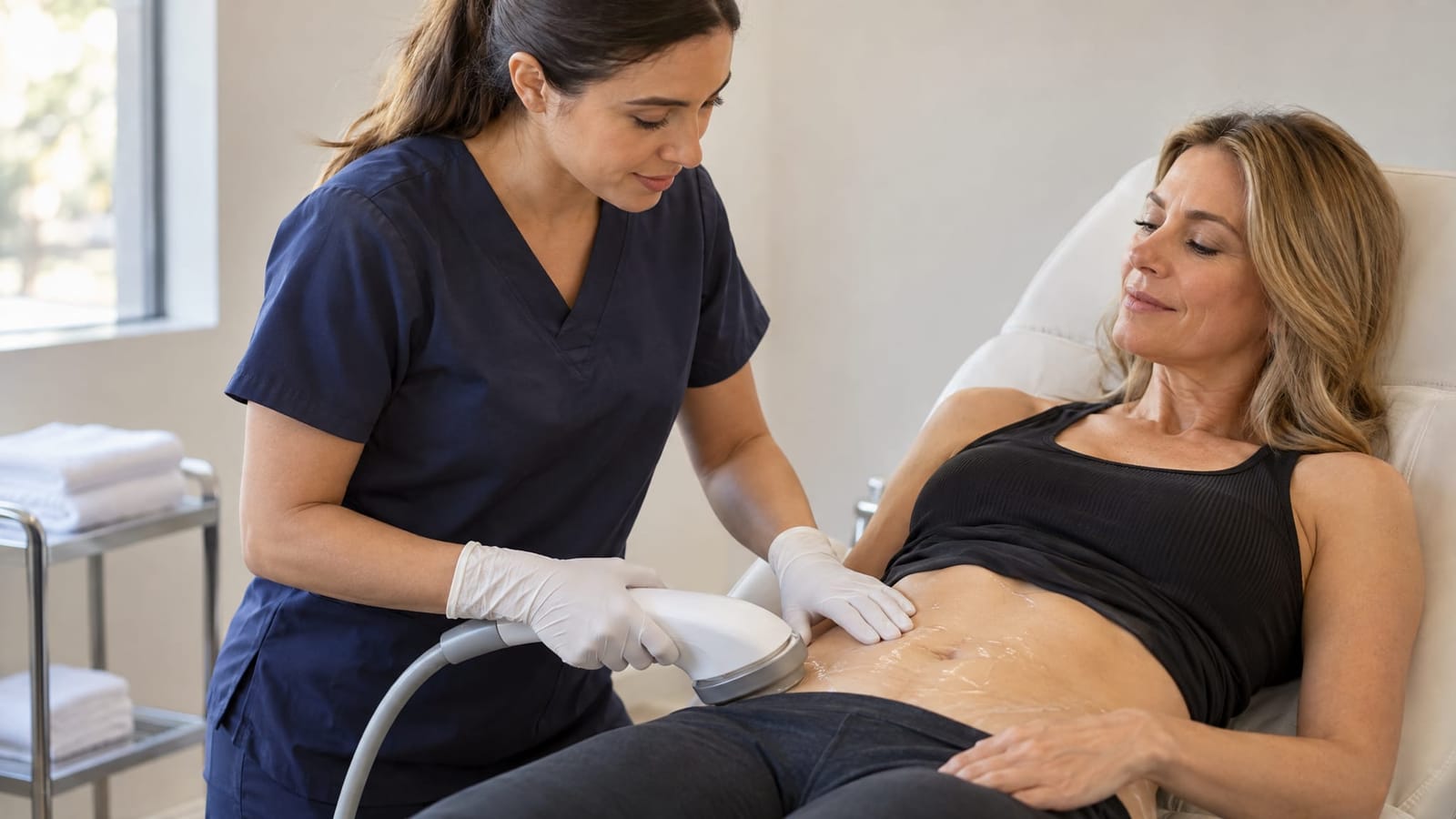
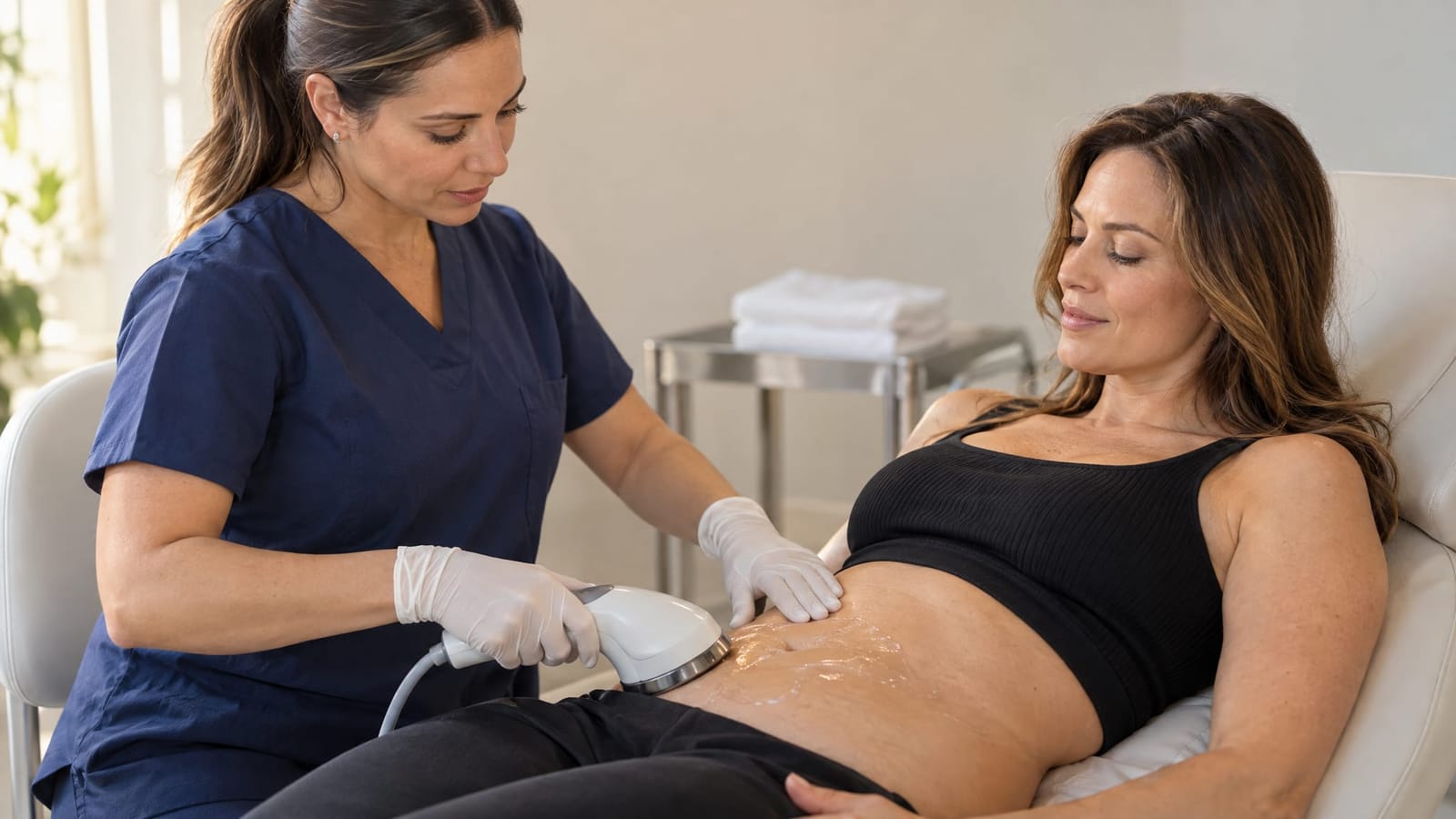
Non-surgical skin tightening can produce modest changes in mild skin laxity, but it does not remove excess skin or deliver the same change as surgery. The American Academy of Dermatology describes non-invasive tightening results as generally modest and gradual.
Stem cells, peptides, and exosomes belong to a separate scientific discussion. Their roles in skin biology are not the same as evidence that a particular product visibly tightens skin. Evaluating a claim means looking at the exact preparation, measured outcomes in people, and potential risks.
For people comparing non-surgical skin tightening in Los Angeles, the first decision is therefore not which technology sounds most advanced. It is whether the proposed approach addresses the actual concern: mild looseness, surface texture, volume changes, or excess skin.
Distinguish Skin Laxity From Texture, Volume Loss, and Excess Skin
“Loose skin” can describe several concerns that look similar but involve different features. A useful evaluation separates them:
- Skin laxity: Reduced firmness or recoil, affecting how skin holds its shape.
- Surface changes: Fine lines, roughness, or crepey texture, rather than deeper tissue looseness.
- Volume changes: Changes beneath the skin that affect facial or body contours.
- Excess skin: Redundant skin that may form folds, particularly after substantial changes in body size.
These distinctions affect how results are judged. Smoother texture, a different contour, and improved elasticity are separate outcomes. A photograph showing one does not necessarily demonstrate the others.
For example, fine creasing on an upper arm and a hanging fold of skin are different evaluation problems. Describing both as a need for “more collagen” overlooks the amount of skin present and the contribution of underlying tissues. If the goal is removal of a fold, a discussion limited to texture improvement misses the main concern.
Collagen Matters, but It Is Only Part of Skin Firmness
Collagen and elastin are structural proteins within the skin’s supporting framework. Collagen contributes strength, while elastin helps skin stretch and recoil. Fibroblasts are cells involved in producing and maintaining this framework.
Skin firmness depends on more than the amount of one protein. The organization of those proteins, surrounding tissue, and structures beneath the skin also matter. “Stimulates collagen” describes a proposed biological effect, not the size or durability of a visible result.
For a patient, the practical questions are more specific: Was skin laxity measured? Was the change noticeable? How long was it followed? What adverse effects occurred? A laboratory measurement of collagen-related activity and a clinical assessment of skin firmness answer different questions.
Energy-Based Procedures and Biological Signaling Are Different
Energy-based approaches, including certain ultrasound and radiofrequency devices, use controlled energy to influence tissue. Their mechanisms involve a physical interaction with the skin and its supporting structures.
Stem cells, peptides, and exosomes concern cells, molecules, and cell-derived particles rather than an energy source. They differ from energy-based procedures and from one another. Evidence needs to match the specific device or product and its intended use.
This becomes especially important when several approaches appear in one plan. Evidence supporting a device cannot simply be extended to an accompanying biological product. The added component needs its own rationale, and a claim of better results from the combination calls for a comparison with the procedure alone.
Stem Cells, Peptides, and Exosomes: Three Distinct Concepts
Stem Cells Are Living Cells
Stem cells can renew themselves and, depending on their type and biological setting, develop into specialized cells. The NIH explanation of stem cell basics distinguishes these properties from those of mature, specialized cells.
Cell type, preparation, handling, and intended use are important distinctions. Findings about one cell population cannot simply be transferred to another product.
For a skin-tightening claim, relevant clinical evidence would evaluate the actual preparation and measure changes in skin laxity in people. Laboratory observations help explain biology, while human clinical evaluations address whether a proposed use produces a meaningful outcome and what risks accompany it.
Peptides Are Molecules With Different Functions
Peptides are chains of amino acids. Different peptides have different structures and biological functions, so the word “peptide” alone provides little information about a product’s intended effect.
Formulation and delivery also matter. Findings about a topical preparation do not automatically apply to an oral or medically administered preparation. Similar language about signaling does not make two products clinically equivalent.
We use third-party testing for peptides. The scope of testing matters: an assessment of identity or purity answers a different question from a clinical study of benefits and risks. Product testing and evidence of skin-tightening effectiveness are separate considerations.
Exosomes Are Cell-Derived Particles
Exosomes are small, membrane-enclosed extracellular vesicles released by cells. They can carry proteins, lipids, and genetic material that participate in communication between cells. Their biology is described in this scientific review of exosome function.
Exosomes are not living cells and do not perform all the functions of a stem cell. Their contents and behavior depend on factors such as the cells that produced them and how they were collected and prepared.
Understanding naturally occurring exosomes is different from evaluating a manufactured product. Claims about improved skin firmness need clinical evidence specific to the preparation, delivery method, and outcome, rather than a general explanation of cellular communication.
Risk belongs in this discussion as well. The FDA has reported serious adverse events associated with unapproved products marketed as containing exosomes. Biological origin is not a reason to assume safety.
How to Assess Claims About Combination Approaches
A combination can sound persuasive when each component has an appealing mechanism. But two plausible mechanisms do not automatically produce a better clinical outcome together.
For example, if a plan combines an energy-based procedure with an exosome preparation, an improvement afterward cannot automatically be attributed to the exosomes. The device, temporary swelling, photography differences, and other parts of the plan may influence the apparent result.
Useful questions about an added benefit include:
- Was the combination compared with the same procedure without the added product?
- Was the preparation the same as the one being proposed?
- Did the evaluation measure skin laxity, rather than only hydration, redness, or satisfaction?
- Were photographs taken with consistent lighting, positioning, and expression?
- Were adverse events and longer-term outcomes included?
These questions also clarify value. An additional component can add cost and complexity. Its proposed purpose, supporting evidence, and separate risks belong in the discussion, not just the total package description.
Treatment Area and Timing Change How Results Are Interpreted
The Same Description Can Represent Different Concerns
In the face and neck, apparent looseness may coexist with volume changes, surface lines, or changes in deeper supporting structures. On the abdomen, upper arms, and thighs, the amount of redundant skin may be a more prominent concern.
Location alone does not identify an appropriate approach. The degree of laxity, skin quality, underlying anatomy, and desired size of the change are more useful considerations than a list of body areas.
Questions about skin tightening after weight loss particularly benefit from distinguishing mild laxity from substantial excess skin. Better texture and removal of a skin fold are very different outcomes.
A Timeline Needs a Defined Outcome
“Results in weeks” is difficult to interpret unless the result is defined. Does it mean smoother-looking skin, a measurable change in laxity, or greater satisfaction with appearance?
An immediate photograph cannot show how long a change will last. Follow-up timing matters, especially when early swelling or other short-term changes could affect appearance.
A useful plan distinguishes recovery time from the timing of outcome assessment. It also explains what will be evaluated at follow-up, rather than treating a scheduled assessment as a promise of improvement.
Questions That Make a Consultation More Useful
A clear description of the concern helps keep the discussion focused. “I want my upper arms to look less crepey” communicates a different goal from “I want the hanging fold to disappear.” A list of previous procedures, relevant medical history, and current medications provides context for an individualized evaluation.
The following questions can help organize the discussion:
- What is contributing to the appearance? Clarify whether the main issue is laxity, texture, volume, or redundant skin.
- What specific change is being discussed? Define an outcome that can be assessed, including whether a modest change would meet the stated goal.
- What evidence applies to this exact approach? Separate human clinical outcomes from laboratory observations and general biological explanations.
- What are the alternatives? Include established options, whether a surgical evaluation is relevant to substantial excess skin, and the option of no procedure.
- What risks and recovery considerations apply? Distinguish device-related risks from those associated with an added product, and discuss follow-up if concerns arise.
- What does the quoted cost include? Separate the core procedure, optional additions, follow-up visits, and any proposed additional sessions.
- How will the outcome be evaluated? Discuss consistent photographs, the assessment timeline, and what happens if the expected change is not seen.
When comparing costs, the price of one visit and the cost of the full proposed plan answer different questions. An itemized estimate makes those differences easier to understand without assuming that more components provide more benefit.
Regulatory language also deserves precision. Facility registration, product listing, and FDA approval are not interchangeable. The FDA’s consumer information on regenerative medicine products explains why registration or listing does not establish approval. The relevant question concerns the specific product and intended use, not a broad description of the facility.
An Informed Approach to Skin-Tightening Claims
At Chara Health USA in Chatsworth, we offer personalized consultations with Dr. Joy Kong focused on cellular health and longevity. This article provides general education; applying these concepts to your medical history and goals requires an individualized evaluation with our physician.
A useful decision connects the concern to a defined outcome. For mild laxity, a modest change may align with expectations. For substantial excess skin, texture improvement addresses a different goal. Stem cells, peptides, and exosomes each require separate consideration of the exact preparation, clinical evidence, risks, and regulatory context, rather than reliance on a broad promise about collagen.