Exosome Therapy in Los Angeles: The Complete Guide to Cellular Regeneration with Dr. Joy Kong
What if the key to more resilient joints, healthier skin, fuller hair, and a body that recovers more efficiently wasn't a single drug or surgical procedure, but rather a microscopic biological signal that your own cells already understand? That's the premise behind exosome therapy, one of the most actively researched and clinically applied areas in regenerative medicine today.
Exosome therapy in Los Angeles has grown significantly in visibility over the past several years, attracting patients who are looking for alternatives to invasive procedures and interested in supporting their body's natural repair processes at a cellular level. But not all exosome programs are created equal. The quality of the products used, the clinical oversight involved, and the overall philosophy of care vary considerably across providers.
At Chara Health, with locations serving Woodland Hills, Burbank, Chatsworth, and the greater Los Angeles area, Dr. Joy Kong brings a rare combination of clinical depth and proprietary research to exosome-based care. Dr. Kong is the founder of Chara Biologics and has dedicated years to developing high-quality, rigorously sourced exosome products that reflect her commitment to cellular science.
This guide covers everything you need to know to make an informed decision: what exosomes are and how they work, what conditions they are being applied to, what to expect during treatment, how they compare to traditional stem cell approaches, and what makes Chara Health's multi-cellular methodology genuinely distinct from other providers in Los Angeles.
What Are Exosomes? Understanding Extracellular Vesicles at a Cellular Level
Exosomes are nanoscale vesicles, essentially tiny membrane-bound packages, that are naturally released by cells throughout the body as part of normal biological communication. They range in size from approximately 30 to 150 nanometers, making them far too small to see with the naked eye but measurable with advanced laboratory equipment. Despite their size, they carry an impressive cargo: proteins, lipids, messenger RNA (mRNA), microRNA, and growth factors that influence how neighboring and distant cells behave.
For decades, exosomes were considered cellular debris: byproducts of normal cell activity with no meaningful function. That view changed dramatically in the early 2000s when researchers began to recognize that these vesicles play an active role in cell-to-cell signaling. A landmark 2007 study published in Nature Cell Biology by Valadi et al. demonstrated that exosomes could transfer functional mRNA and microRNA between cells, effectively reprogramming recipient cell behavior. This discovery opened an entirely new chapter in cellular biology.
How Exosomes Communicate With Cells
When an exosome reaches a target cell, it can interact with the cell's surface receptors or fuse directly with the cell membrane, delivering its molecular cargo into the interior. Once inside, the proteins and genetic material within the exosome can influence gene expression, reduce inflammatory signaling, promote tissue remodeling, and support the activation of local repair mechanisms. In this way, exosomes act as a sophisticated biological messaging system: one that the body already uses continuously throughout life.
In regenerative medicine, the exosomes most commonly used in clinical applications are derived from mesenchymal stem cells (MSCs), which are known for their regenerative and anti-inflammatory properties. Research suggests that a significant portion of stem cells' therapeutic effects may actually be mediated through the exosomes they secrete rather than through direct cell integration. This finding has helped shift attention toward exosome-based approaches as a more targeted, logistically manageable option.
To explore the full science behind how extracellular vesicles communicate with tissues and drive cellular repair, see our detailed breakdown in how exosome therapy works.
Exosome Therapy vs. Traditional Stem Cell Therapy: Key Differences
When patients first encounter exosome therapy in Los Angeles, one of the most common questions is how it differs from traditional stem cell injections. Both fall under the umbrella of regenerative medicine, and both aim to support tissue repair, but they differ in important ways related to mechanism, scalability, storage, and regulatory standing.
Traditional Stem Cell Therapy
Traditional stem cell therapy involves introducing living cells, typically mesenchymal stem cells derived from bone marrow, adipose tissue, or umbilical cord tissue, into the body with the intention that those cells will engraft, differentiate, or release regenerative signals in the target area. While this approach has a meaningful body of research behind it, living cell therapies come with logistical and biological complexities. Live cells must be carefully stored and processed, have a limited shelf life, and require a carefully controlled administration environment.
Exosome-Based Therapy
Exosome preparations, by contrast, contain the signaling molecules secreted by stem cells rather than the cells themselves. This means they can be processed, concentrated, quality-tested, and stored in ways that are not possible with live cell therapies. Because there are no living cells involved, exosome products can be standardized more consistently: a meaningful advantage from a quality-control perspective. They can also be produced in larger quantities, making them more scalable for clinical use.
It's worth noting that the regulatory landscape for both stem cell and exosome therapies continues to evolve. The U.S. Food and Drug Administration (FDA) has issued guidance documents and enforcement actions related to unapproved cellular and gene therapy products, and patients researching any regenerative treatment should ask detailed questions about the regulatory status and sourcing of the products being used. Consulting with a physician who stays current with this landscape is essential.
For a side-by-side comparison of these two approaches, including how they are applied, what the research currently supports, and how to think about choosing between them, our dedicated post on exosome therapy vs stem cell therapy covers the topic in depth.
Dr. Joy Kong and Chara Biologics: A Differentiated Approach to Exosome Science
One of the defining features of Chara Health's program is that its exosome products are not sourced from a third-party commercial supplier and simply administered as-is. Dr. Joy Kong is the founder of Chara Biologics, a company dedicated to developing proprietary regenerative biologics grounded in scientific rigor and clinical application. This distinction matters considerably in a market where product quality, sourcing transparency, and manufacturing standards vary widely.
Why Product Quality Matters More Than Most Patients Realize
The exosome therapy market has expanded rapidly, and with that expansion has come a range of products with varying concentrations, sourcing practices, and testing standards. Some products marketed as exosome therapies contain limited viable biological material. Others lack meaningful third-party testing for potency, sterility, or the presence of key growth factors. In a field where the therapeutic signal is at a nanoscale level, these differences are not trivial: they can significantly affect what a patient actually receives during treatment.
Chara Biologics products are developed with attention to sourcing, concentration, and third-party verification. The goal is to ensure that what is administered to patients meets consistent quality benchmarks: an approach that reflects Dr. Kong's scientific background and her commitment to moving beyond "exosome therapy" as a marketing term toward something with genuine clinical integrity.
The Multi-Cellular Philosophy
Chara Health's approach also incorporates what Dr. Kong describes as a multi-cellular strategy: meaning treatment protocols are not designed around a single biological input but rather a coordinated combination of cellular signals, growth factors, and supportive therapies tailored to the patient's goals and physiology. This systems-level thinking reflects a more nuanced understanding of how cellular repair actually works: not through a single "magic bullet" but through orchestrated biological communication across multiple pathways.
For a detailed look at Dr. Kong's proprietary products and the specific science behind what distinguishes Chara's exosome preparations from standard market offerings, see the full post on Dr Joy Kong stem cell therapy.
Conditions and Goals Commonly Addressed With Exosome Therapy
Exosome therapy is being explored and applied across a broad range of clinical contexts, reflecting the fundamental role that cellular signaling plays in virtually every tissue in the body. At Chara Health, exosome-based protocols are considered as part of a comprehensive, physician-guided plan and are not positioned as standalone cures or guaranteed treatments. The following areas represent some of the most common goals that bring patients to our Los Angeles-area clinics.
Joint Health and Musculoskeletal Support
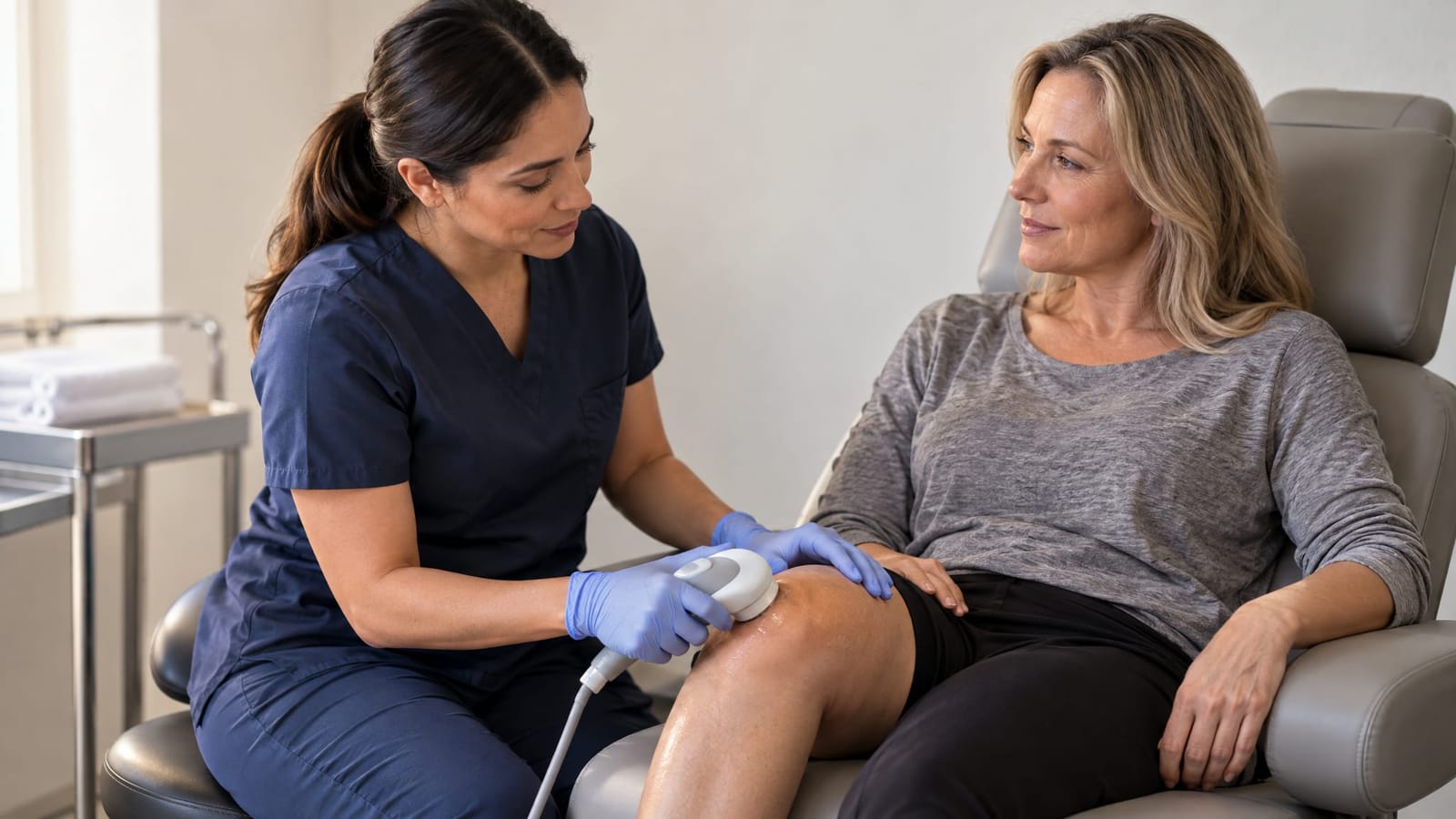
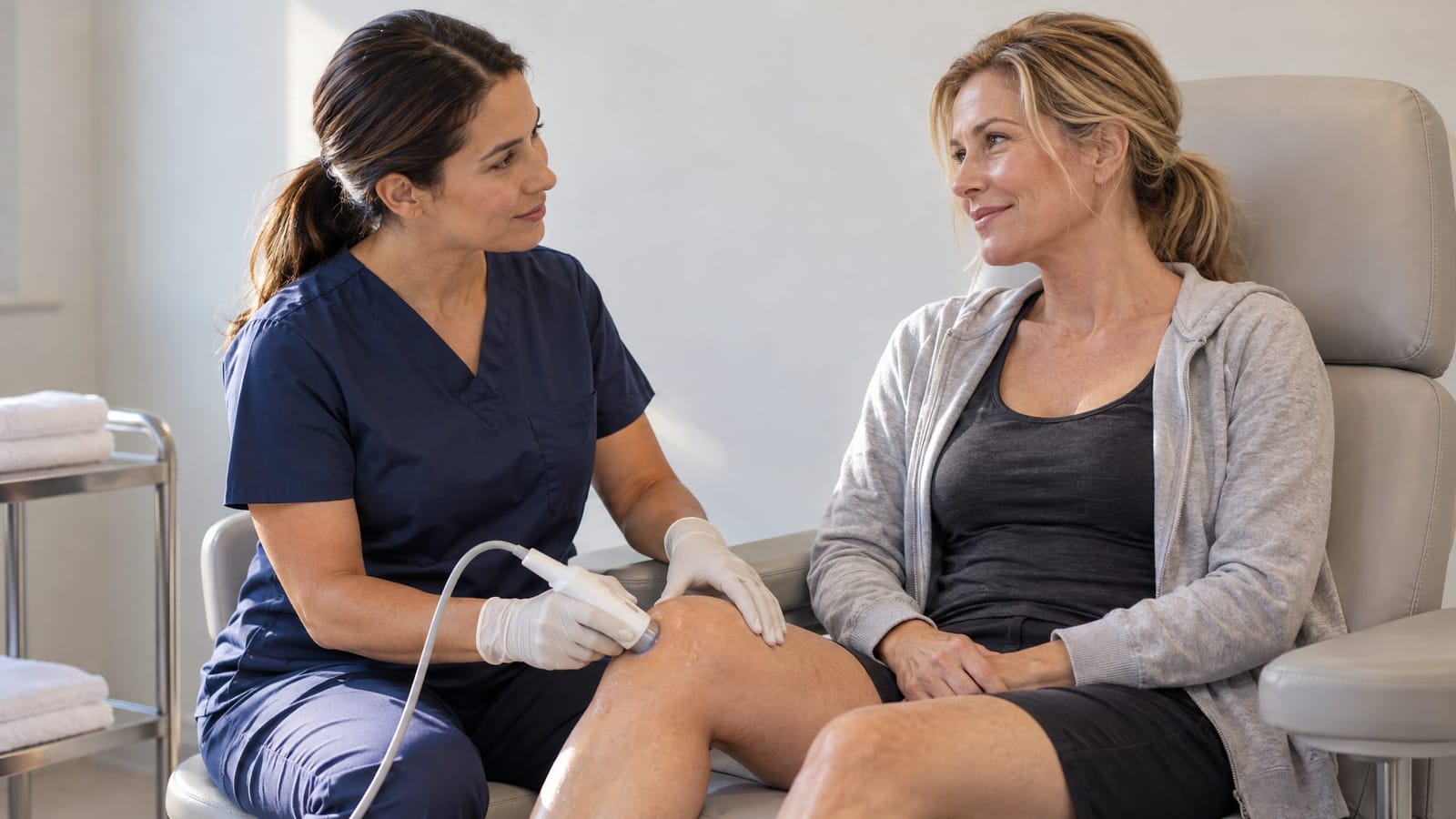
Degenerative joint conditions affect millions of Americans: according to the CDC, an estimated 32.5 million adults in the United States live with osteoarthritis. For patients exploring options beyond conventional pain management or who want to support joint health ahead of potential surgical intervention, exosome therapy has emerged as an area of active clinical interest. Exosomes derived from mesenchymal stem cells have been studied in preclinical and early clinical contexts for their potential to modulate inflammation and support cartilage tissue signaling, though the field is still developing and outcomes vary by individual.
Skin Rejuvenation and Anti-Aging
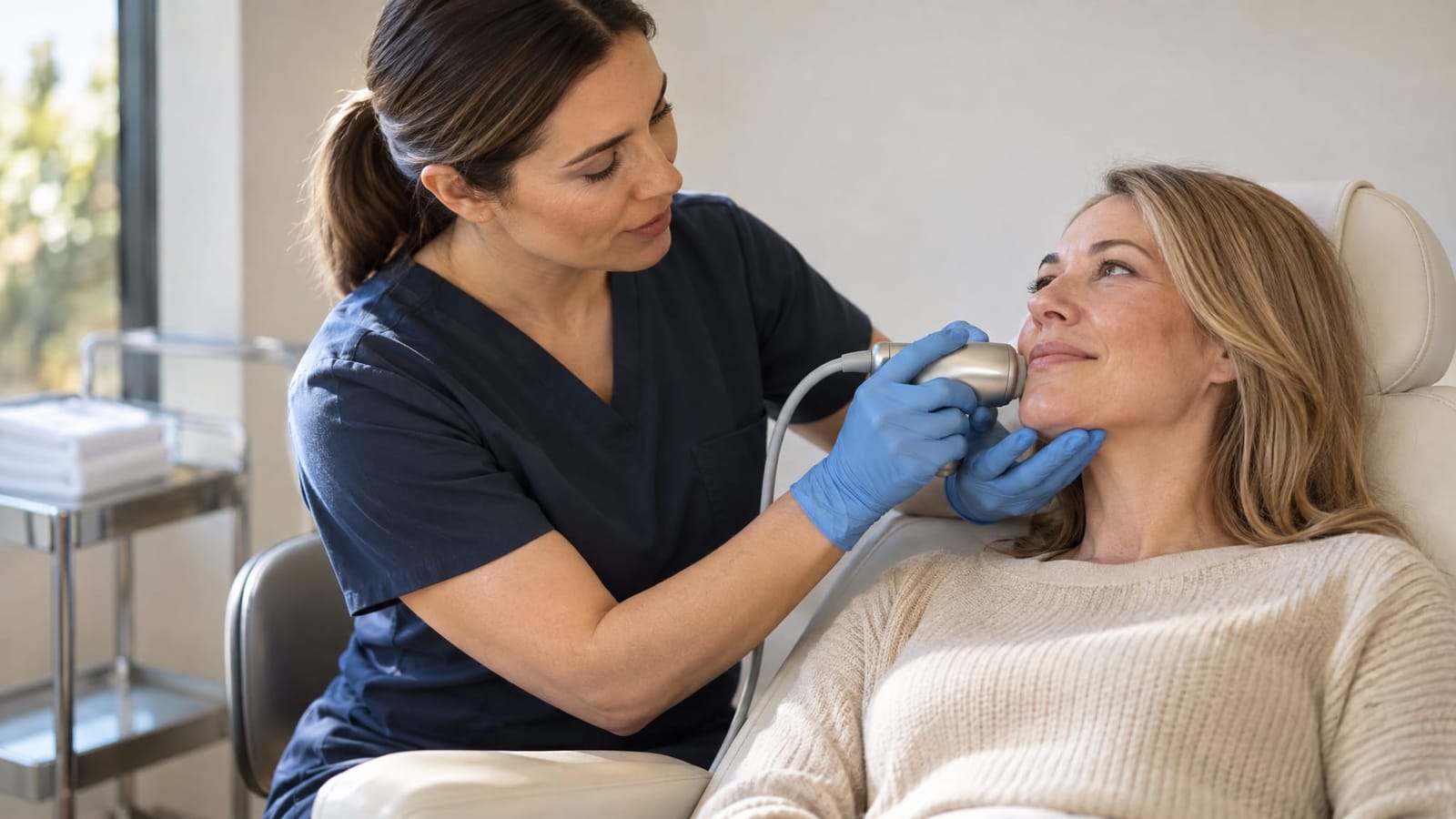
The skin is one of the most actively researched application areas for exosome therapy. Exosomes rich in growth factors such as TGF-β, VEGF, and various interleukins are being studied for their potential role in stimulating collagen production, reducing oxidative stress in skin cells, and supporting the skin's natural repair mechanisms. In clinical aesthetics, exosome preparations are sometimes applied topically following procedures like microneedling or administered alongside other regenerative treatments to support skin texture, tone, and overall appearance.
Hair Restoration
Hair loss affects approximately 80 million Americans, according to the American Academy of Dermatology. Exosome therapy for hair restoration has attracted considerable interest because of the role that growth factors and cellular signaling play in the hair follicle cycle. Exosomes may support follicle health by delivering growth signals to dormant or declining follicles. Chara Health serves patients across Woodland Hills, Burbank, Chatsworth, and surrounding communities who are exploring exosome-based approaches to hair restoration as part of a broader treatment plan.
Longevity and Healthy Aging
A growing segment of patients interested in exosome therapy in Los Angeles are focused not on a specific injury or aesthetic concern but on the broader goal of healthy aging: maintaining vitality, cognitive clarity, energy, and physical function as they move through their 40s, 50s, 60s, and beyond. Exosomes are being investigated in the context of cellular senescence, the process by which aging cells accumulate and begin secreting inflammatory signals. The science here is early but compelling to researchers and clinicians working in the longevity medicine space.
What to Expect During Exosome Therapy at Chara Health
Understanding what actually happens during an exosome therapy program, from the initial consultation through follow-up, helps patients approach the process with realistic expectations and informed confidence. At Chara Health, exosome therapy is always physician-guided, beginning with a thorough evaluation of the patient's health history, goals, and current biological picture.
Initial Consultation and Assessment
Dr. Kong and the Chara team take a comprehensive approach to intake. Rather than applying a one-size-fits-all protocol, the clinical team evaluates each patient's specific circumstances, including any existing conditions, current treatments, laboratory values, and wellness goals. This individualized assessment is the foundation of a thoughtful treatment plan and ensures that exosome therapy, if recommended, is integrated appropriately into the patient's overall care.
Administration Methods
Exosome therapy can be administered through several delivery methods depending on the treatment goals and the area being targeted. The most common approaches include:
- Intravenous (IV) infusion: Delivers exosomes systemically through the bloodstream, which may be appropriate for patients focused on whole-body or longevity-related goals.
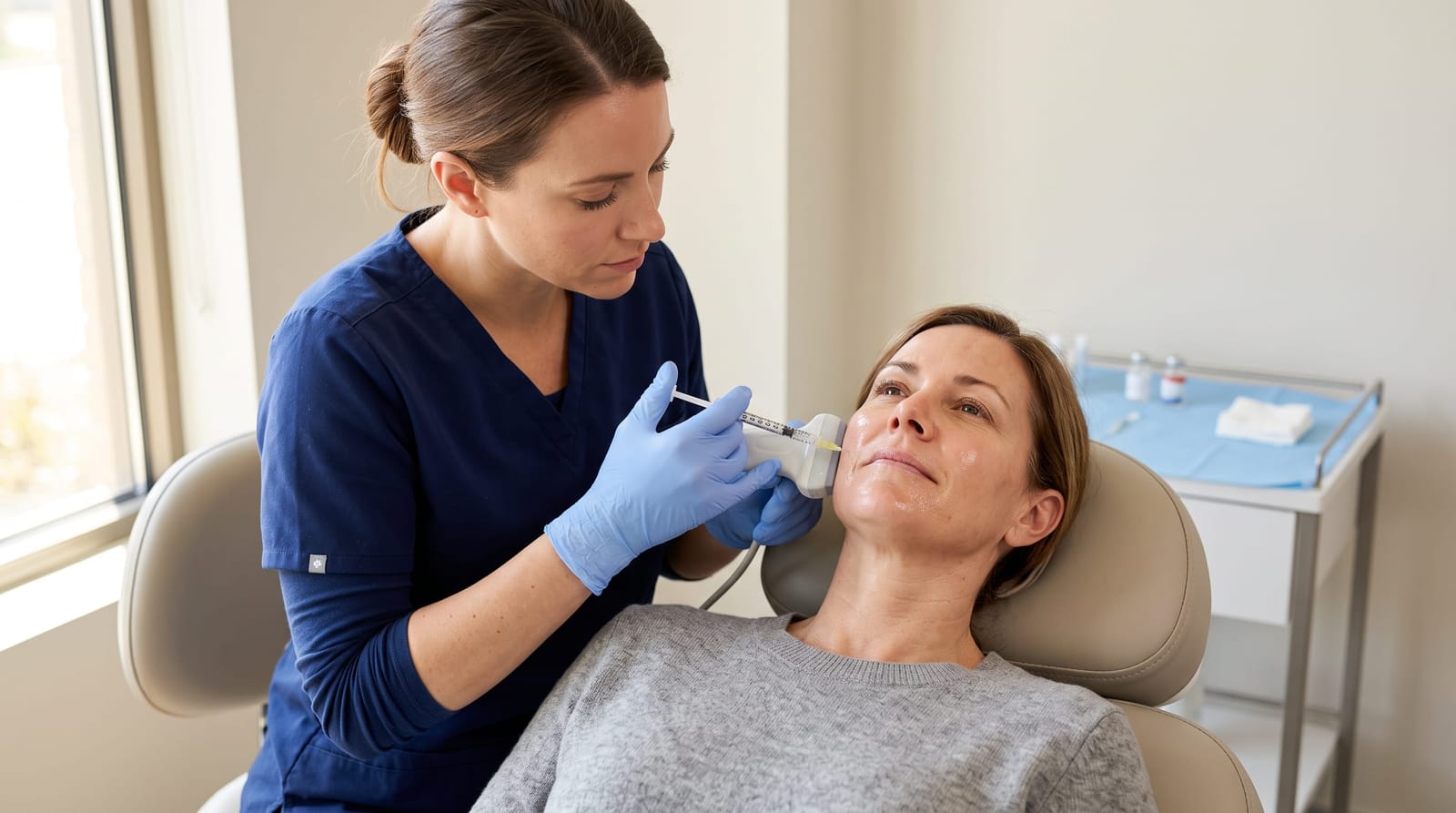
- Localized injections: Targets specific joints, areas of hair loss, or other tissues directly, concentrating the biological signals in the region of concern.
- Topical application: Used in conjunction with aesthetic procedures such as microneedling, where the exosome preparation is applied to the skin surface to support post-treatment recovery and cellular signaling.
The specific method or combination of methods recommended will depend on each patient's goals and the physician's clinical judgment.
Timeline and Follow-Up
Exosome therapy is generally not a single-session intervention. Depending on the application, patients may undergo an initial series of treatments followed by a reassessment period. Because cellular processes unfold over weeks and months, changes in joint comfort, skin quality, or hair density may become more noticeable gradually rather than immediately. Chara Health's team monitors patient progress and adjusts protocols as appropriate based on clinical response and patient feedback.
Safety, Testing, and What to Ask Any Exosome Provider
One of the most important conversations a prospective patient can have with any exosome therapy provider in Los Angeles, or anywhere, is about the safety profile and testing standards of the products being used. Because the FDA has not formally approved exosome products for therapeutic use in the United States, the products currently used in clinical settings exist within a complex and evolving regulatory framework. Patients deserve honest, transparent answers to direct questions.
What Third-Party Testing Should Include
Reputable exosome products should be accompanied by documentation that addresses several key parameters:
- Sterility testing: Confirmation that the product is free of bacterial, fungal, and viral contamination.
- Particle concentration: Quantification of the number of exosome particles per dose, typically measured in the range of billions to trillions of particles per milliliter depending on the preparation.
- Protein and growth factor content: Verification that the product contains meaningful concentrations of the signaling molecules that give exosomes their biological relevance.
- Identity and provenance: Documentation of the cell source, donor screening protocols, and manufacturing conditions.
Questions to Ask Before Treatment
Patients considering exosome therapy in Los Angeles should feel empowered to ask any provider the following questions before moving forward:
- What is the source of the exosomes used in your protocols?
- Can you provide third-party testing documentation for potency, sterility, and particle concentration?
- How is the dose determined for my specific situation?
- What is the regulatory status of the products you use?
- What clinical oversight is involved throughout my treatment?
A provider who answers these questions openly and thoroughly, and who is willing to acknowledge both the potential and the limitations of the current evidence, is demonstrating the kind of integrity that should be a baseline expectation, not a differentiator.
Chara Health's Location Advantage: Serving Los Angeles With Specialized Care
Chara Health's facilities serve patients throughout the greater Los Angeles region, with particular accessibility for residents of Woodland Hills, Burbank, Chatsworth, and surrounding communities in the San Fernando Valley and beyond. For patients in these areas, accessing high-quality regenerative medicine care has historically meant traveling into the urban core of Los Angeles or to the Westside: a significant barrier for many.
By establishing a specialized regenerative medicine practice with physician leadership, proprietary biologics, and a multi-modality philosophy closer to where these patients live and work, Chara Health addresses both the clinical and practical dimensions of care. Exosome therapy in Los Angeles doesn't have to mean long commutes, impersonal clinic environments, or fragmented follow-up care.
The practice's proximity to communities like Woodland Hills also positions it as a resource for patients in the broader 818 and surrounding zip codes who are actively researching longevity medicine, sports and orthopedic recovery support, aesthetic rejuvenation, and preventive health programs. These are communities with a high proportion of health-conscious, professionally active individuals who value personalized, evidence-informed care: exactly the profile of patients for whom Chara Health's program is designed.
Whether a patient is a weekend athlete in Chatsworth managing a knee that no longer recovers the way it used to, a professional in Burbank exploring options for hair restoration, or a Woodland Hills resident in their 50s who wants to take a more proactive approach to healthy aging, the geographic accessibility of Chara Health's location is part of the overall care experience.
Deep Dive: Explore Every Dimension of Exosome Therapy
This guide provides a comprehensive foundation for understanding exosome therapy: what it is, how it works, and what to look for in a provider. But each of the major topics touched on here deserves a more granular exploration. The following resources are part of Chara Health's complete educational library on exosome and stem cell therapy, designed to help you go deeper on the questions most relevant to your specific goals.
How Exosome Therapy Works: The Science Behind Extracellular Vesicles and Cellular Communication
A detailed scientific exploration of how exosomes form, what they carry, how they interact with target cells, and what the current research literature says about their mechanisms of action. Essential reading for patients who want to understand the biology before making clinical decisions.
Dr. Joy Kong's Proprietary Stem Cell Products: Why Chara Exosomes Are Different
An in-depth look at Chara Biologics, Dr. Kong's proprietary exosome research, the sourcing and manufacturing standards behind Chara's products, and how the multi-cellular approach differs from standard commercial exosome offerings available at other Los Angeles clinics.
Exosome Therapy vs. Traditional Stem Cell Therapy: What's the Difference?
A clear, side-by-side comparison of exosome-based approaches and live-cell stem cell therapies, covering mechanisms, logistics, regulatory context, and how to think about which approach may be more appropriate for different patient goals.
Exosome Therapy for Joint Repair: Regenerating Cartilage Without Surgery
Focused specifically on the orthopedic and musculoskeletal applications of exosome therapy, this post explores the evidence around cartilage, joint inflammation, and how exosome-based protocols are being used as part of non-surgical joint support strategies.
Exosome Therapy for Hair Restoration in Woodland Hills and Los Angeles
A detailed guide to exosome-based hair restoration, including how exosomes interact with the follicular microenvironment, what the treatment process involves, and what patients in Woodland Hills and greater Los Angeles can expect from this approach.
Exosome Therapy for Anti-Aging and Longevity: What to Expect at Chara Health
Explores the emerging science of exosomes in the context of healthy aging and longevity medicine, including their potential role in addressing cellular senescence, supporting tissue resilience, and fitting within a broader proactive health strategy.
Taking the Next Step Toward Informed, Personalized Regenerative Care
Exosome therapy in Los Angeles represents a genuinely exciting frontier in regenerative medicine: one grounded in serious science and increasingly supported by clinical experience, even as the research continues to mature. For patients who are curious about what's possible beyond conventional medicine, exosome-based approaches offer a thoughtful option worth exploring with the right physician.
What sets Chara Health apart is not just access to high-quality, third-party tested exosome products developed through Dr. Joy Kong's proprietary research at Chara Biologics: it's the philosophy of care that surrounds them. Personalized assessment, physician oversight, a multi-cellular treatment strategy, and a commitment to educating patients rather than simply administering treatments: these are the foundations of a program built for patients who take their health seriously.
If you are located in Woodland Hills, Burbank, Chatsworth, or anywhere in the greater Los Angeles area and are interested in learning more about whether exosome therapy may be appropriate for your goals, we encourage you to schedule a consultation with Dr. Kong and the Chara Health team. Every treatment plan begins with a conversation, and that conversation starts with understanding your unique biology, your goals, and your questions.
Contact Chara Health to schedule your consultation and take the first informed step toward a more cellular approach to your health and longevity.