Non-Invasive Facelift vs. Surgical Facelift: Which is Right for You?
One of the most common questions patients ask when exploring facial rejuvenation is whether a non-invasive vs surgical facelift is the better path forward. It's a genuinely important question, and one that deserves an honest, balanced answer rather than a one-size-fits-all recommendation. Both approaches have real merit, and the right choice depends on your goals, lifestyle, health profile, and how you define "results." This guide walks through the key differences so you can approach your consultation better informed and more confident in your decision-making.
Understanding What Each Approach Actually Does
Before comparing outcomes, it helps to understand what each procedure category involves at a fundamental level.
A surgical facelift (rhytidectomy) is an operating-room procedure in which a surgeon makes incisions, typically along the hairline and around the ears, to physically reposition underlying facial muscles and tissue, remove excess skin, and re-drape the surface for a smoother, more lifted appearance. The results are structural and long-lasting. According to the American Society of Plastic Surgeons, facelift procedures have consistently ranked among the top five cosmetic surgical procedures performed annually in the United States, with hundreds of thousands of surgeries completed each year.
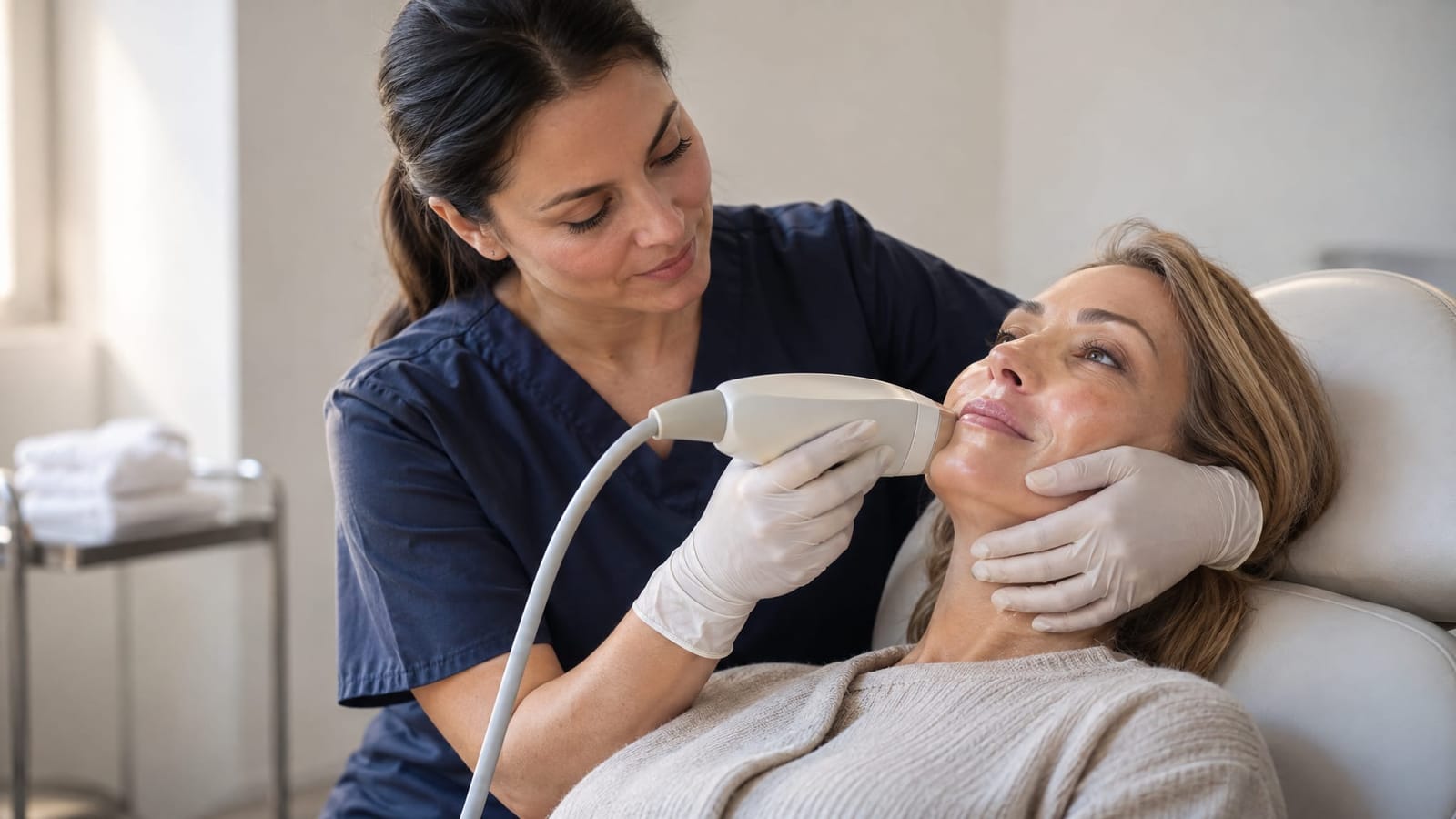
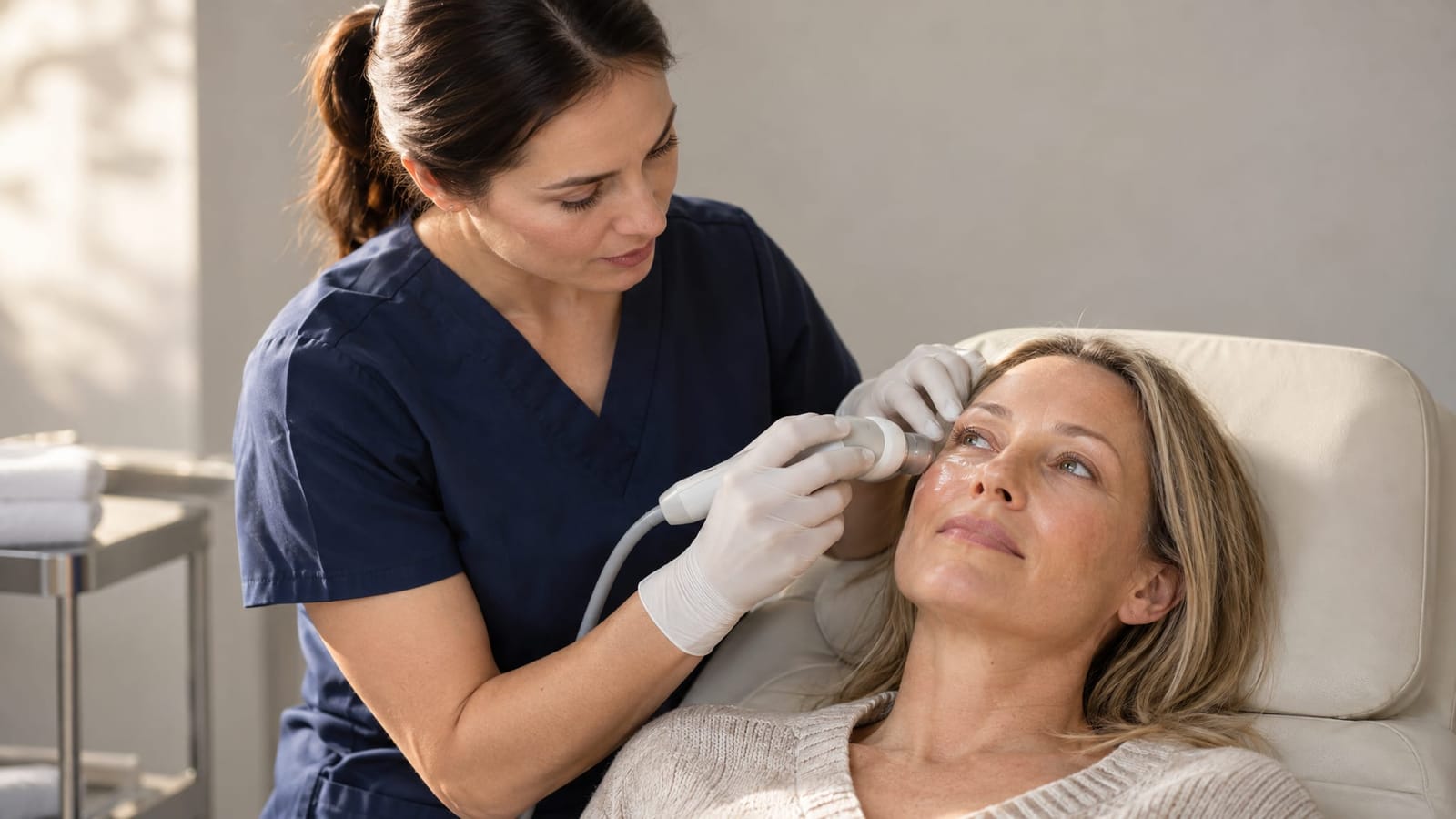
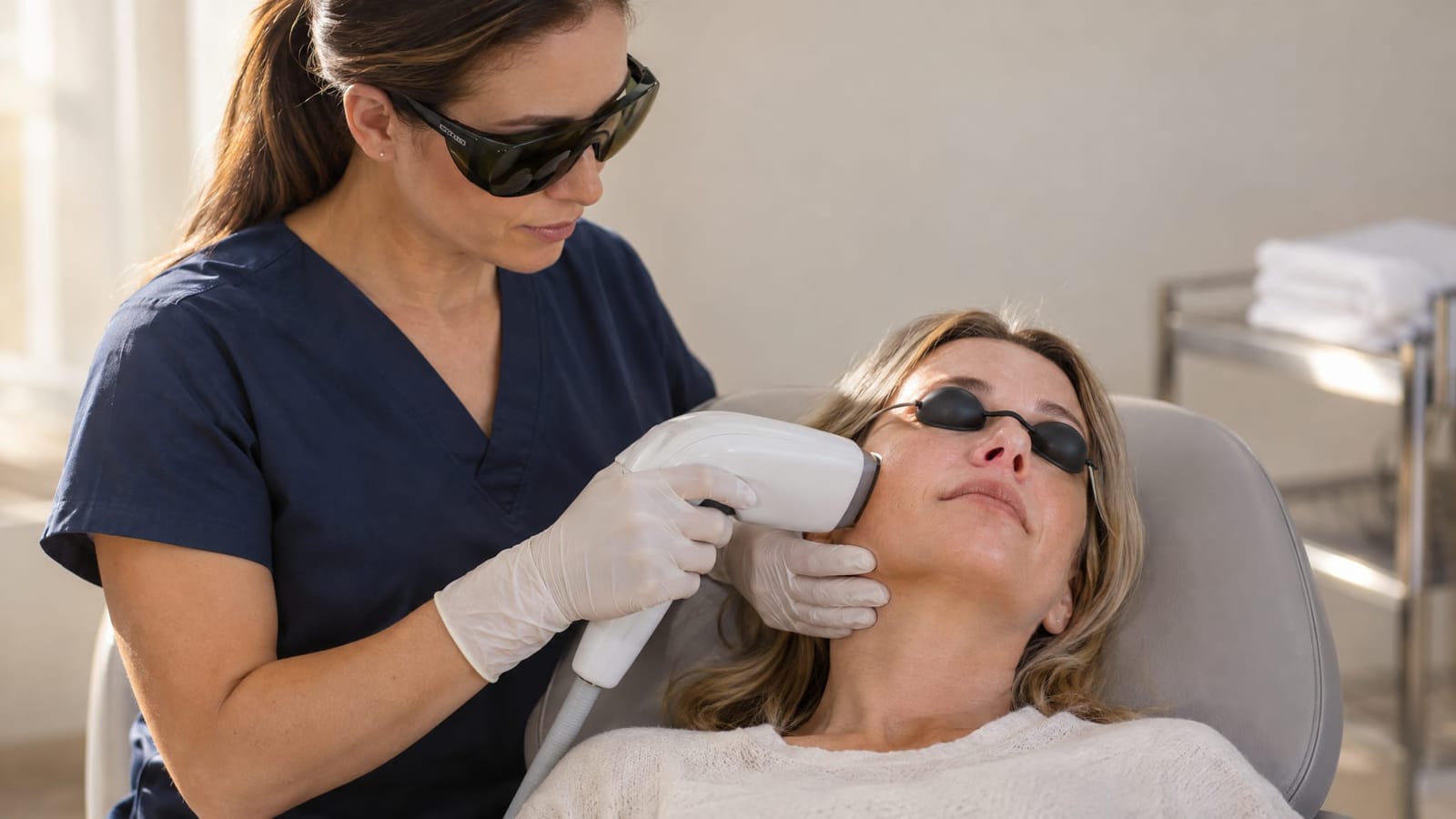
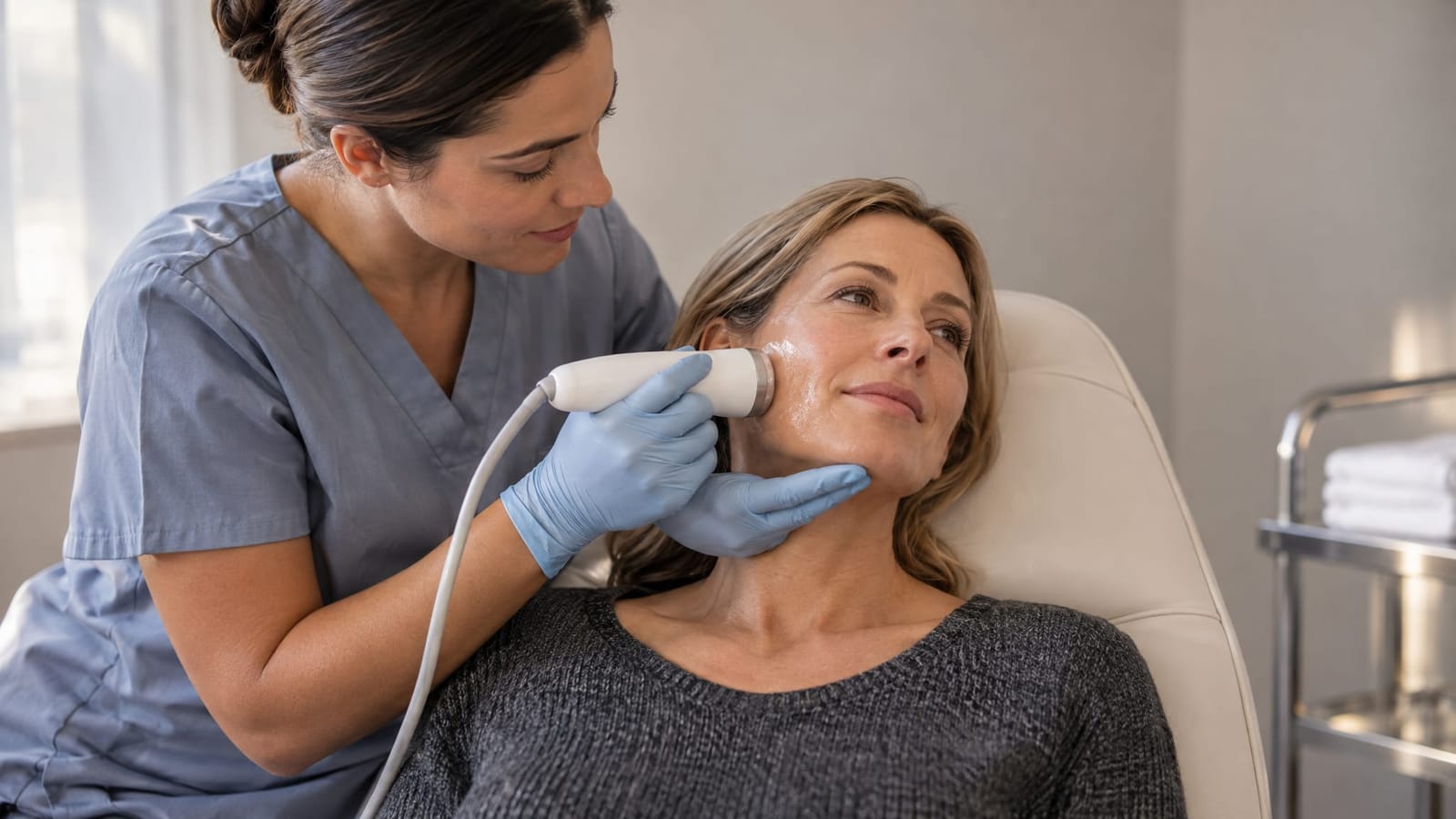
A non-invasive facelift uses technologies such as radiofrequency (RF) energy, focused ultrasound, microcurrent stimulation, or combination protocols to stimulate collagen production, improve skin laxity, and enhance facial contour, all without incisions, anesthesia, or surgical recovery. These procedures work by encouraging the body's own regenerative processes rather than mechanically repositioning tissue.
Neither approach is superior in every circumstance. The better question is: which is better suited to your specific situation?
Side-by-Side Comparison: The Key Factors
Candidacy
Surgical facelifts are generally considered for patients experiencing:
- Significant skin laxity or deep tissue sagging
- Well-defined jowls that have not responded to non-surgical methods
- Excess skin in the lower face and neck region
- A desire for the most dramatic, long-term structural correction available
Non-invasive facelift treatments tend to be a strong fit for patients who:
- Have mild to moderate skin laxity and early signs of facial aging
- Are proactively maintaining their appearance before significant changes occur
- Cannot or prefer not to undergo general anesthesia or surgical risk
- Want gradual, natural-looking improvement rather than a dramatic transformation
- Have professional or personal commitments that make downtime impractical
Downtime and Recovery
This is often the deciding factor for busy patients. Surgical facelift recovery typically involves 2 to 4 weeks of visible bruising and swelling, with many surgeons advising patients to avoid strenuous activity for 4 to 6 weeks post-procedure. Full results may not be apparent for 3 to 6 months.
Non-invasive treatments, by contrast, typically involve little to no downtime. Most patients return to their normal schedule the same day or within 24 to 48 hours. Some mild redness, tenderness, or temporary swelling may occur depending on the specific technology used, but these effects are generally minor and short-lived.
Results: Longevity and Degree of Change
It's important to be straightforward here: a non-invasive procedure cannot fully replicate the structural correction or permanence of a surgical facelift. Surgical results can last anywhere from 7 to 10 years or more, depending on the patient's age, genetics, and lifestyle factors such as sun exposure and smoking habits.
Non-invasive facelift results are meaningful but more subtle, and they require maintenance. Depending on the treatment protocol, results may be sustained with periodic sessions, often scheduled every 6 to 18 months. The improvement builds gradually as collagen remodeling occurs over several weeks to months following treatment. Many patients who want to understand what that treatment schedule looks like find it helpful to explore how many sessions a non-invasive facelift typically requires before committing to a plan.
Risk Profile
Every medical or aesthetic procedure carries some degree of risk, and candidly comparing these profiles matters.
Surgical facelift risks can include:
- Anesthesia-related complications
- Infection or hematoma formation
- Nerve damage (rare but possible)
- Visible scarring
- Asymmetry or results that require revision
Non-invasive facelift risks are generally much lower in severity, and may include:
- Temporary skin redness, swelling, or tenderness
- Mild discomfort during treatment
- In rare cases with energy-based devices, minor burns or uneven skin texture
- Results that are subtler than expected if candidacy wasn't properly assessed
The non-invasive path carries significantly fewer serious risks, but that doesn't mean it's appropriate for every patient or every concern. A qualified provider should conduct a thorough assessment before recommending any treatment.
Cost Considerations
Surgical facelifts involve surgeon fees, anesthesia, facility costs, and post-operative care: figures that can vary widely based on geography, surgeon experience, and procedure scope. Los Angeles, as a major metropolitan market, tends to reflect higher-than-average pricing for both surgical and non-surgical procedures.
Non-invasive treatments are generally less expensive per session, though multi-session protocols and ongoing maintenance should be factored into a realistic long-term cost estimate. Over several years, cumulative costs for non-invasive maintenance may approach or exceed a single surgical investment for some patients. This is a conversation worth having transparently during a consultation.
How Chara Health Approaches This Decision
At Chara Health in Los Angeles, the approach to facial rejuvenation begins with listening, not with a predetermined recommendation. Every patient presents with a unique combination of skin quality, facial anatomy, aging patterns, health history, and personal goals. What works exceptionally well for one person may be the wrong choice for another.
For patients exploring the non-invasive facelift vs surgical facelift question, Chara's physician-guided consultations focus on:
- Honestly assessing the degree of visible change you're hoping to achieve
- Evaluating your skin quality and current tissue laxity
- Discussing your health profile and any factors that might influence candidacy for either approach
- Explaining the realistic range of outcomes for non-invasive protocols at your stage of facial aging
- Building a personalized treatment plan that aligns with your lifestyle, timeline, and goals
For patients who are not yet candidates for surgery, or who simply prefer to avoid it, non-invasive options can offer meaningful, confidence-building improvement. For patients with more advanced concerns, an honest conversation may include acknowledging when surgical consultation might better serve their goals, even if that means referring them elsewhere.
Frequently Asked Questions
Can a non-invasive facelift replace a surgical one entirely?
Not in every case. Non-invasive treatments can achieve meaningful improvement in skin tone, texture, and mild laxity, but they work differently than surgery. They stimulate the body's collagen response rather than physically repositioning tissue. For patients with significant structural sagging or excess skin, a surgical facelift may be the only approach that achieves the degree of correction they're looking for. A qualified provider can help you understand which category your concerns fall into.
At what age should I consider a non-invasive facelift?
There's no universal "right age." Many patients begin non-invasive treatments in their 30s and 40s as a proactive measure to support skin quality and slow the progression of visible aging. Others start later. The most important factor isn't age: it's the current condition of your skin and the changes you're hoping to address. A physician-guided assessment is more meaningful than any general age guideline.
How long does it take to see results from a non-invasive facelift?
Most patients begin to notice improvement within 4 to 8 weeks of treatment, as collagen remodeling is a gradual biological process. Full results are often most visible at the 3-month mark. The timeline varies based on the specific technologies used, the number of sessions completed, and individual factors such as skin quality and overall health.
Is a non-invasive facelift safe for all skin types?
Many non-invasive technologies are designed to work across a range of skin tones and types, but suitability depends on the specific device, treatment protocol, and your individual skin profile. This is one of the many reasons a thorough in-person consultation matters before beginning any treatment. A qualified provider will assess your skin carefully and select approaches appropriate for your specific characteristics.
Making the Right Choice for Your Face, Your Goals, and Your Life
The non-invasive vs surgical facelift decision isn't about which option is objectively "better": it's about which approach best aligns with your individual goals, health profile, lifestyle, and expectations. Non-invasive treatments offer a compelling, lower-risk path for many patients, particularly those in earlier stages of facial aging or those who value convenience and gradual, natural-looking results. Surgical options remain the standard for more advanced structural changes that non-invasive methods cannot fully address.
If you're exploring what's possible without surgery, Chara Health's team is here to help you think through the options clearly, honestly, and without pressure. Schedule a consultation to start that conversation.