Skin Resurfacing in Los Angeles: Laser and Regenerative Approaches for Radiant Skin
When it comes to comprehensive facial rejuvenation, skin texture and tone are often the details that make the most visible difference. As part of a broader commitment to non-surgical aesthetic care, skin resurfacing in Los Angeles has become one of the most sought-after treatments for patients who want meaningful improvement without the recovery demands of surgery. At Chara Health, skin resurfacing is approached not just as a cosmetic treatment, but as a physician-guided process that combines advanced laser technology with regenerative science: addressing concerns like acne scars, sun damage, fine lines, and uneven texture while supporting the skin's natural capacity to heal and renew. This guide explores how these approaches work, what they address, and how regenerative enhancements like exosomes may support and accelerate the overall process.
What Skin Resurfacing Actually Does to Your Skin
The term "skin resurfacing" describes a category of treatments that work by removing or remodeling damaged outer layers of skin to reveal healthier tissue beneath, and, importantly, to stimulate the deeper biological processes that produce new collagen and elastin.
Skin is not a static surface. It is continuously renewing itself, but that renewal slows significantly with age, sun exposure, hormonal changes, and environmental stressors. By the time most patients notice concerns, dull tone, rough texture, visible pores, fine lines, or scarring, the skin has often accumulated years of structural changes that topical skincare alone cannot meaningfully reverse.
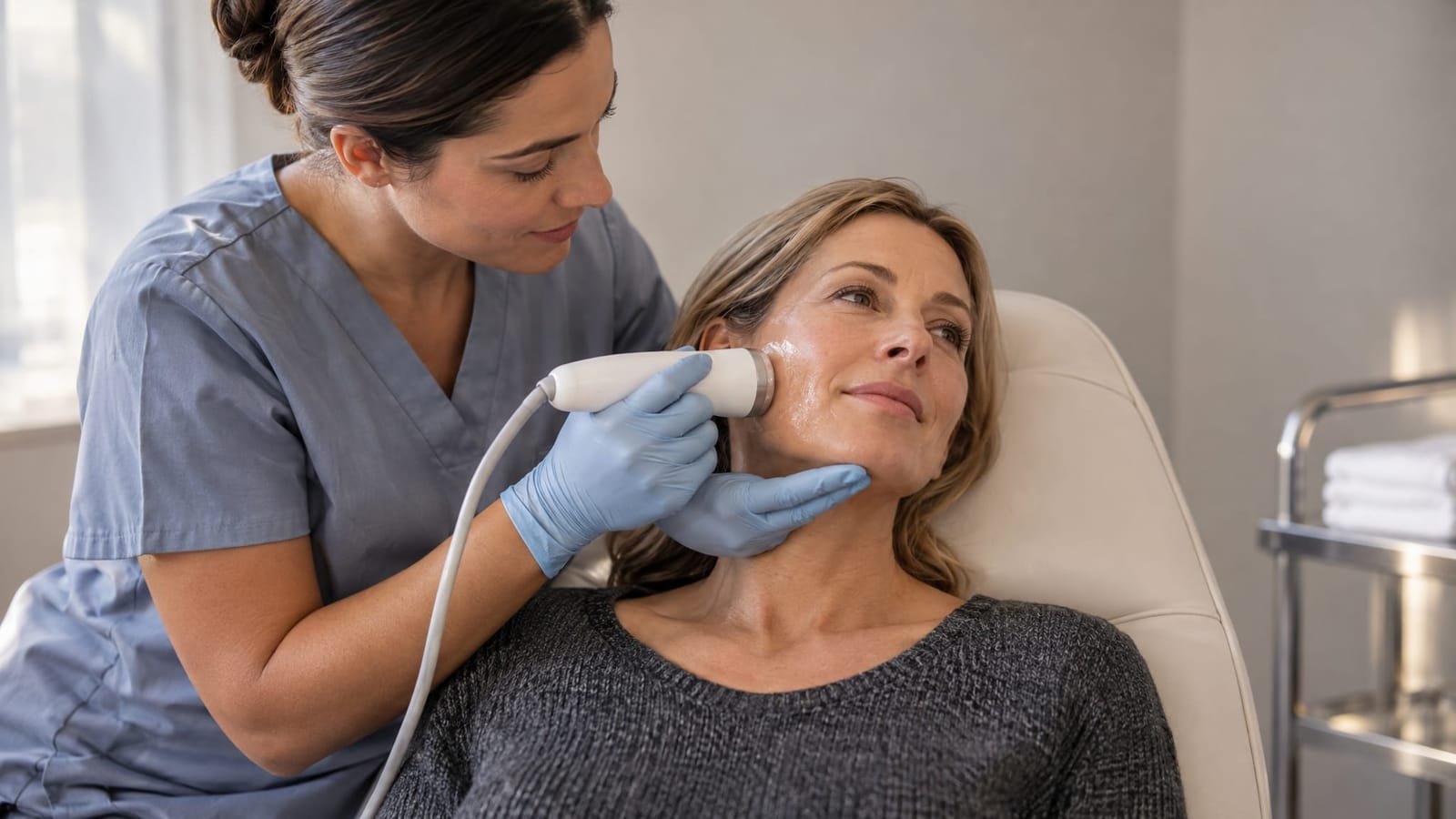
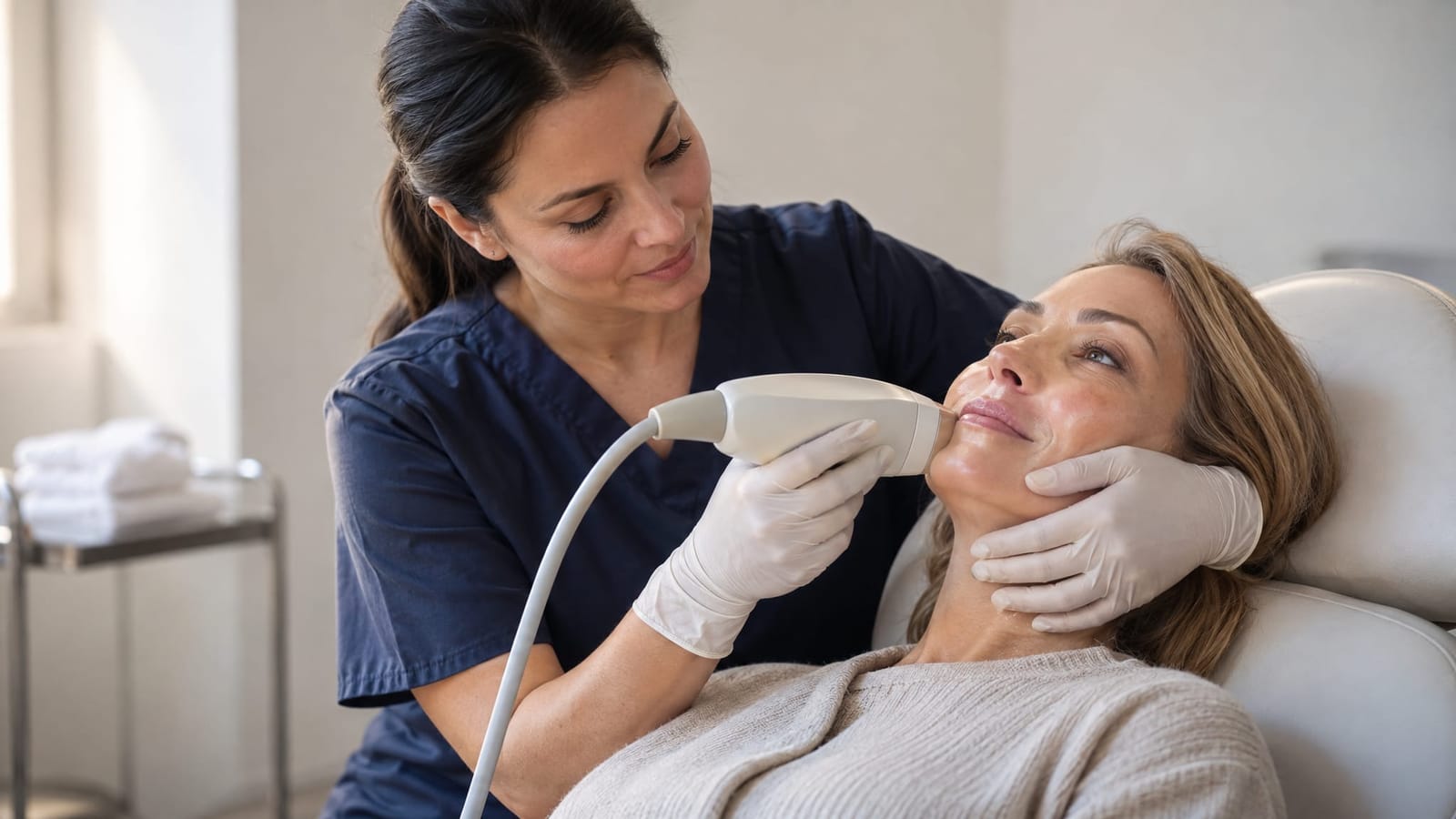
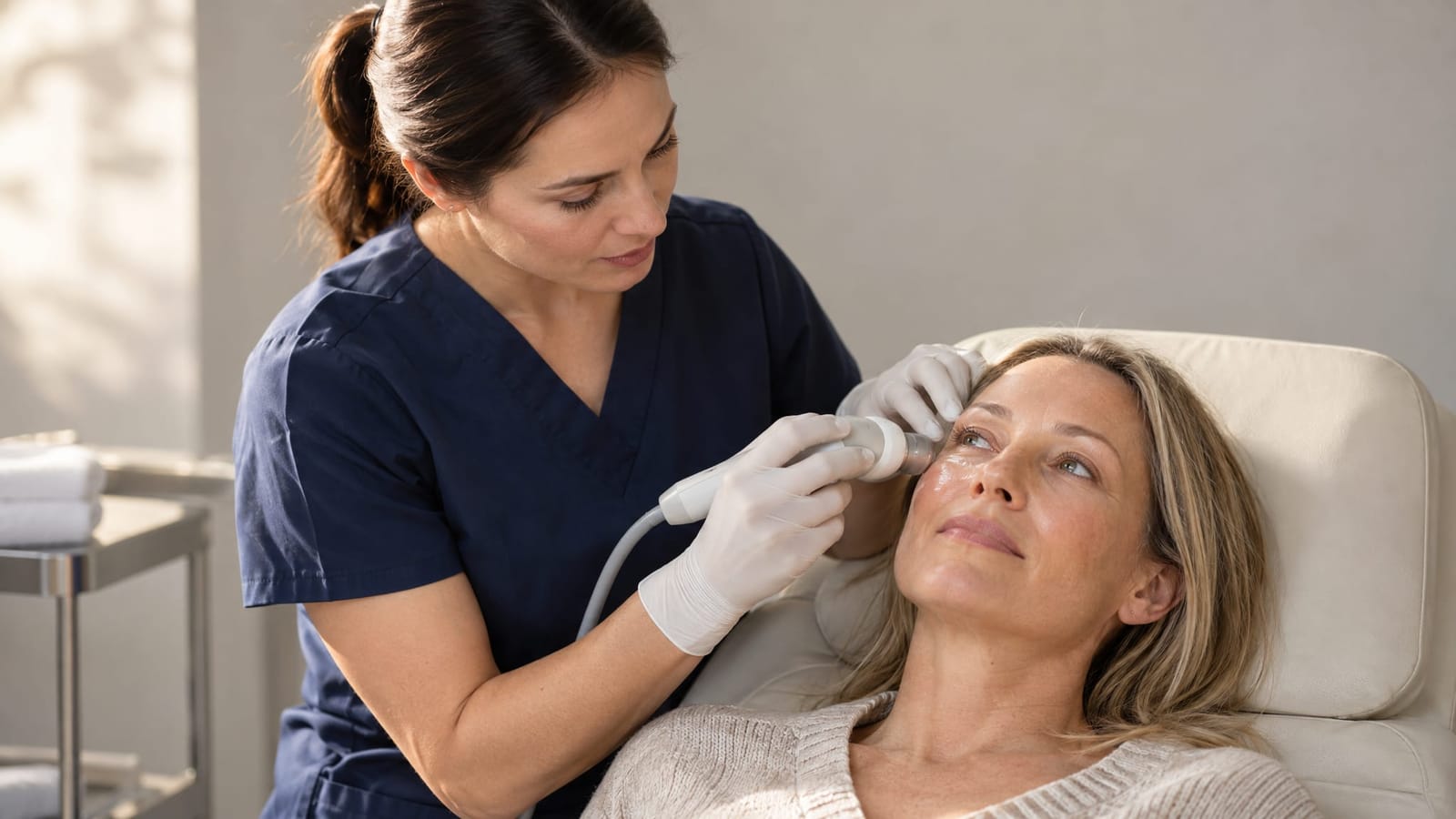
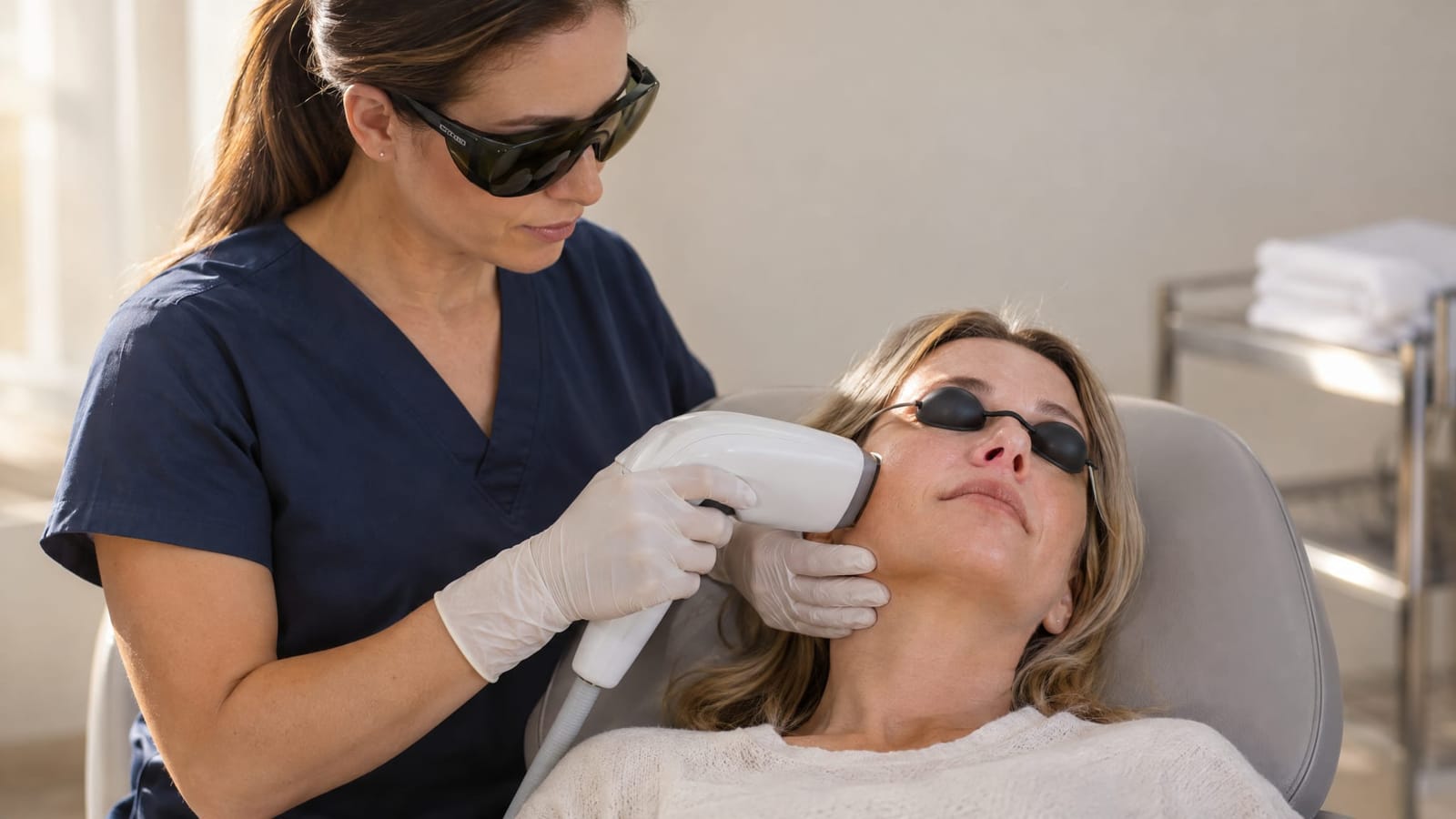
Laser resurfacing works by delivering controlled energy to the skin at precise depths, creating what specialists describe as a "controlled injury response." This triggers the skin's repair cascade: increased collagen synthesis, remodeling of damaged tissue, and the gradual replacement of old, compromised skin cells with newer, healthier ones. The degree of improvement, and the recovery required, depends significantly on the type and intensity of the laser used.
Fractional vs. Ablative Approaches
Modern laser resurfacing has evolved considerably. Traditional fully ablative treatments removed the entire surface of the skin, producing dramatic results but requiring extensive downtime. Contemporary approaches, including fractional CO₂ lasers, treat microscopic columns of tissue while leaving surrounding skin intact: a technique that preserves recovery speed while still driving meaningful collagen stimulation. Fractional treatments have become a widely used standard in skin resurfacing because they balance efficacy with tolerability for most patients.
Common Skin Concerns Laser Resurfacing Can Help Address
Laser skin resurfacing is one of the more versatile tools in a non-surgical aesthetic practice because it addresses several distinct concerns at once. Rather than targeting a single issue, a well-planned resurfacing treatment can improve the overall quality and character of the skin surface. Patients commonly pursue resurfacing for one or more of the following reasons:
- Acne scarring: Including rolling scars, boxcar scars, and general textural irregularities left behind by inflammatory acne. Laser energy can help remodel scar tissue and stimulate the collagen needed to fill and smooth these depressions over time. For patients specifically interested in this application, a detailed look at laser resurfacing acne scars Los Angeles covers this concern in depth.
- Sun damage and hyperpigmentation: Years of UV exposure leave behind uneven tone, brown spots, and surface texture changes that resurfacing can significantly reduce.
- Fine lines and early wrinkles: Particularly around the eyes, mouth, and forehead, where repeated movement and volume loss contribute to surface creasing.
- Enlarged or congested pores: Resurfacing can help improve the appearance of pore size and overall skin clarity.
- Dull or rough texture: Skin that lacks luminosity or feels uneven often responds well to resurfacing, which accelerates cellular turnover and reveals fresher skin beneath.
- Mild skin laxity: By stimulating new collagen, resurfacing contributes to improved firmness over the months following treatment: a benefit that complements other non-invasive lifting approaches.
It's worth noting that results vary based on individual skin type, the depth and nature of the concern being addressed, and the specific protocol used. A thorough consultation with a qualified provider is the appropriate first step in understanding what resurfacing may realistically offer for any individual patient's skin.
The Science Behind Collagen Stimulation and Skin Renewal
Understanding why laser resurfacing works requires a brief look at what happens beneath the surface when the skin is treated. Collagen, the structural protein responsible for skin firmness and elasticity, begins declining at a rate of approximately 1% per year after age 25. By the time most patients begin noticing visible aging signs, significant collagen remodeling has already taken place.
Laser energy, when delivered precisely, creates thermal zones in the dermis: the deeper layer where collagen lives. The body interprets this as a wound signal and responds by activating fibroblasts, the cells responsible for producing new collagen and elastin. Over the weeks and months following treatment, this collagen remodeling process continues, which is why results from laser resurfacing tend to improve progressively rather than appearing immediately.
Why Results Develop Over Time
Patients often notice initial improvements in texture and tone within the first few weeks as surface healing completes. However, the deeper collagen remodeling that produces improvements in firmness, scar depth, and overall skin quality continues for three to six months or longer after a single treatment session. This is an important expectation to set: resurfacing is not an instant fix, but rather the beginning of a biological renewal process that unfolds over time.
Multiple treatment sessions are often recommended depending on the severity of the concerns being addressed, the patient's skin type, and the intensity of each session. A provider experienced in laser aesthetics will typically design a protocol that balances efficacy with recovery, rather than approaching resurfacing as a one-size-fits-all treatment.
How Regenerative Science Enhances Skin Resurfacing
One of the more significant developments in modern aesthetic medicine is the integration of regenerative therapies alongside laser resurfacing. At Chara Health, this reflects a broader philosophy: that stimulating the body's own healing biology, rather than simply creating a surface injury, can meaningfully enhance and extend the results of resurfacing treatments.
Exosomes and Post-Resurfacing Recovery
Exosomes are extracellular vesicles: tiny messenger particles released by cells: that carry signaling molecules involved in tissue repair, inflammation regulation, and cellular communication. In the context of skin resurfacing, applying exosome-based therapies to freshly treated skin may support a more efficient healing environment by delivering pro-regenerative signals directly to actively repairing tissue.
Research into exosome applications in aesthetics is ongoing and evolving, and this is an area where the science is still developing. However, the rationale for pairing exosomes with resurfacing is biologically grounded: the post-treatment window, when the skin's repair processes are most active, may represent an opportunity to amplify the regenerative response. Patients interested in how regenerative topicals complement these treatments may also find value in learning about Chara Omni Cream stem cell formulations, which represent another dimension of Dr. Joy Kong's proprietary approach to skin recovery and renewal.
A Physician-Guided Approach to Integration
What distinguishes a regenerative aesthetic practice from a standard med spa environment is the depth of clinical thinking applied to treatment planning. At Chara Health, resurfacing protocols are developed within the context of each patient's overall skin health, goals, and any complementary treatments being pursued, whether that includes non-invasive facelift Woodland Hills treatments for lifting and volumizing, or non-surgical eye rejuvenation Los Angeles approaches for the delicate periorbital area.
What the Recovery Process Looks Like
Recovery from laser resurfacing is one of the primary questions patients ask before committing to treatment. The honest answer is that it varies, and depends heavily on the type and intensity of the resurfacing performed.
- Mild to moderate fractional treatments: May involve 3 to 5 days of redness, swelling, and skin flaking: similar in appearance to a mild sunburn. Many patients return to their regular activities within a week.
- More intensive resurfacing sessions: May require 7 to 14 days of more visible healing, with a longer period of sun sensitivity and skin care restrictions.
- Post-treatment skin care: Proper moisturization, diligent sun protection (SPF 30 or higher), and avoidance of active skincare ingredients during healing are standard recommendations across all resurfacing protocols.
- Follow-up and monitoring: An experienced provider will schedule check-ins to assess healing and ensure the skin is responding appropriately.
For patients who want a detailed, practical look at what to expect in the days following treatment, skin resurfacing recovery time covers the healing timeline and post-care guidance in depth.
It's also worth noting that regenerative adjuncts, including exosome therapies and supportive topicals, may be incorporated into the recovery protocol with the goal of supporting a smoother, more comfortable healing process. As always, specific recommendations should come from your treating provider based on your individual skin and treatment plan.
Is Skin Resurfacing Right for You? What to Consider
Laser skin resurfacing is appropriate for a wide range of patients, but it is not universally suitable for all skin types, tones, or health backgrounds. Several important factors influence candidacy and protocol design:
- Skin tone and Fitzpatrick type: Patients with deeper skin tones require careful laser selection and parameter adjustment to minimize the risk of post-inflammatory hyperpigmentation. An experienced provider will select technology and settings accordingly.
- Active skin conditions: Active acne, rosacea flares, or open lesions in the treatment area may require stabilization before resurfacing is appropriate.
- Recent sun exposure: Tanned skin is generally not treated with laser resurfacing, as the risk of uneven pigmentation increases.
- Medications: Certain medications, including those that affect photosensitivity or immune response, may influence treatment timing and eligibility.
- Realistic expectations: Understanding that resurfacing improves skin quality over time, rather than producing instant or permanent perfection, is an important part of informed consent.
A thorough consultation with a qualified provider is essential before any resurfacing treatment. This is not a one-size-fits-all procedure, and the value of a thoughtful, individualized approach cannot be overstated.
Related Topics Worth Exploring
Skin resurfacing is one component of a broader non-surgical facial rejuvenation strategy. For patients interested in the full picture, related topics in this series include a closer look at laser resurfacing acne scars Los Angeles, the specifics of skin resurfacing recovery time, and how physician-developed topical formulations like the Chara Omni Cream stem cell product support and extend treatment results.
Conclusion: Thoughtful Resurfacing, Real Results
Skin resurfacing in Los Angeles has evolved well beyond basic laser treatments. When approached through a regenerative lens, with careful patient selection, physician-guided protocols, and the integration of biologically active recovery support, it becomes a meaningful tool for improving skin quality, addressing longstanding concerns, and contributing to a fresher, more confident appearance. The key is not simply the technology used, but the expertise and thoughtfulness applied to how and when it is used. If you're considering skin resurfacing and want to understand what a personalized, regeneratively informed approach might look like for your specific skin concerns, we invite you to schedule a consultation with the team at Chara Health.