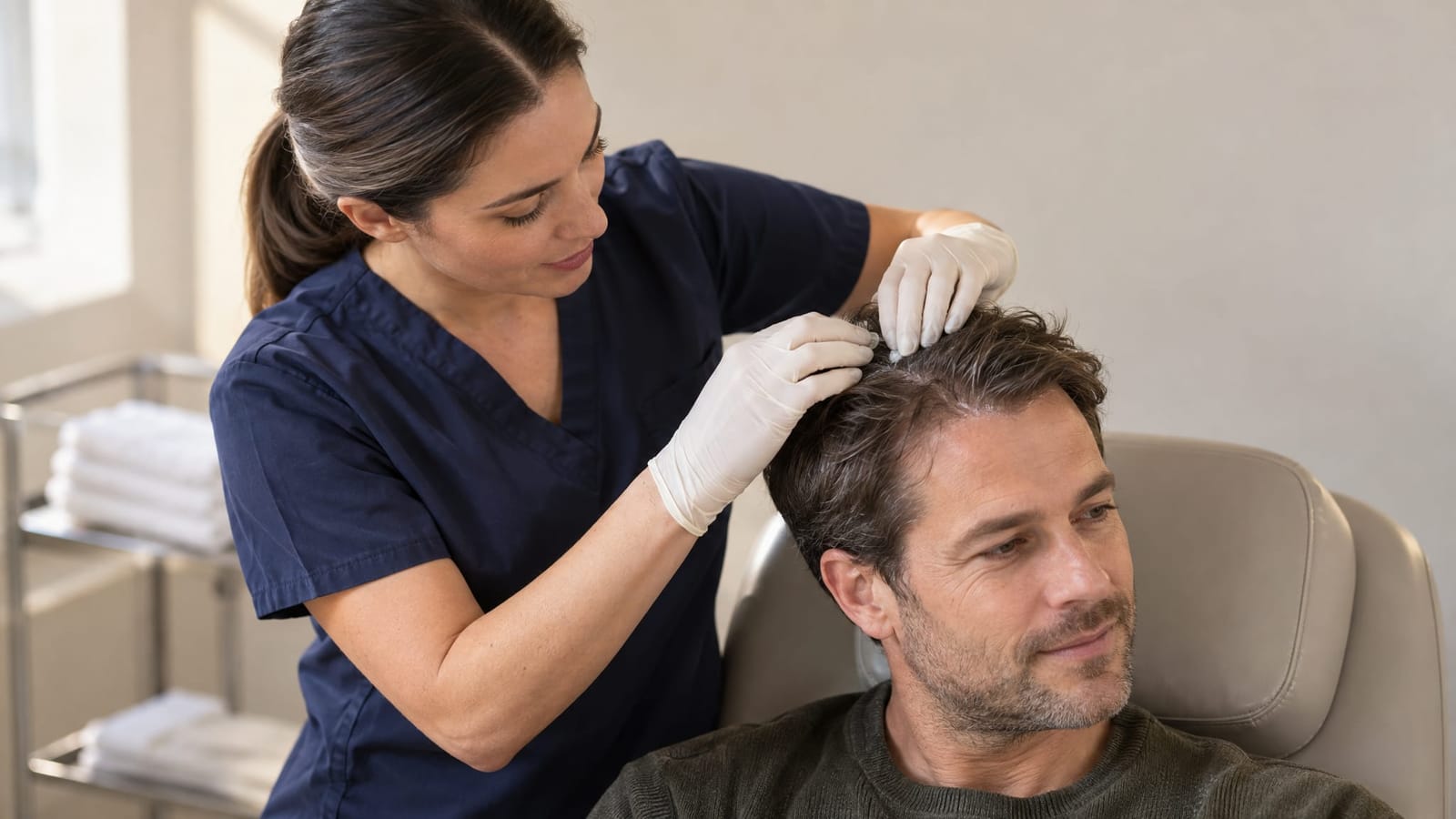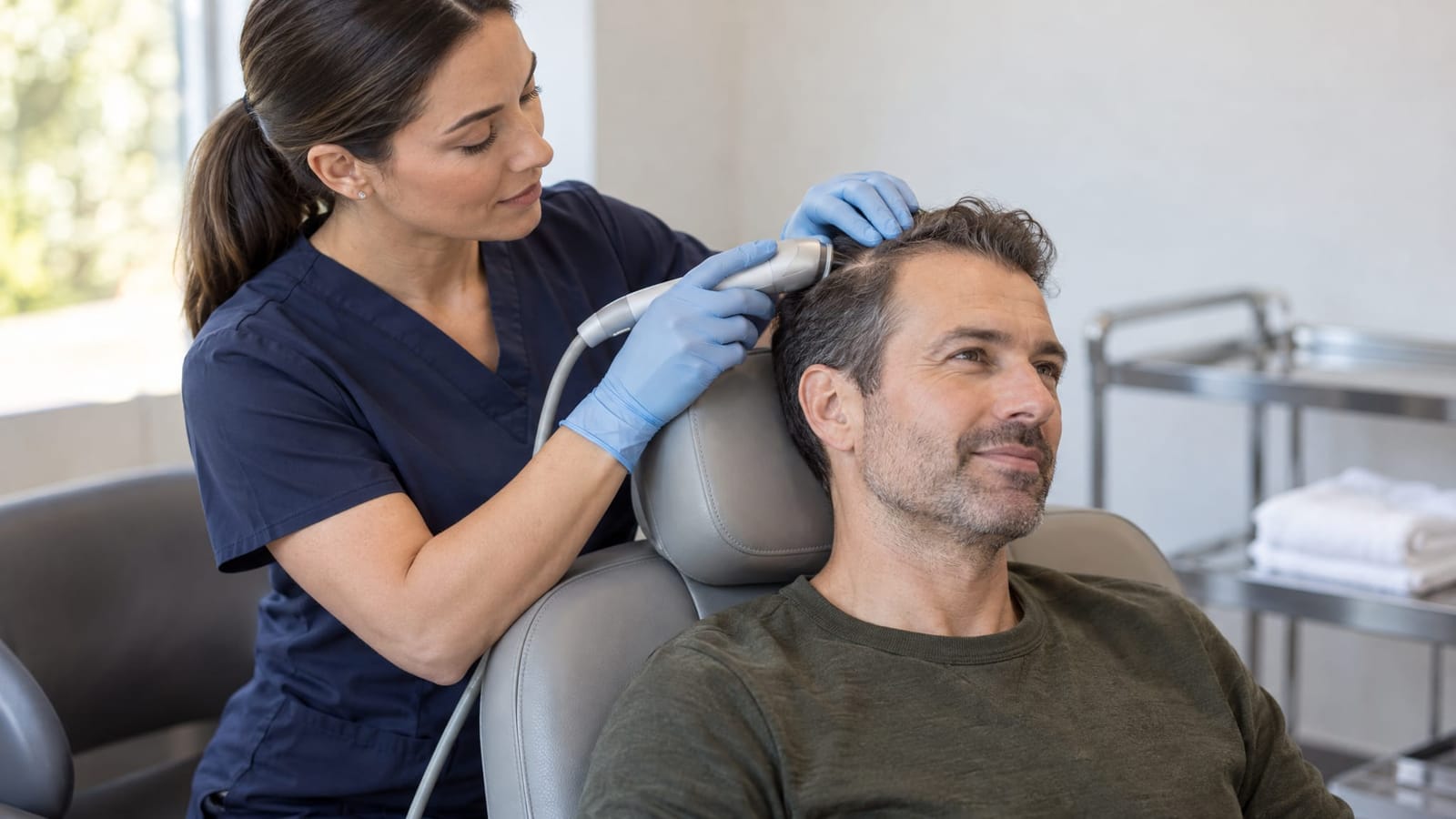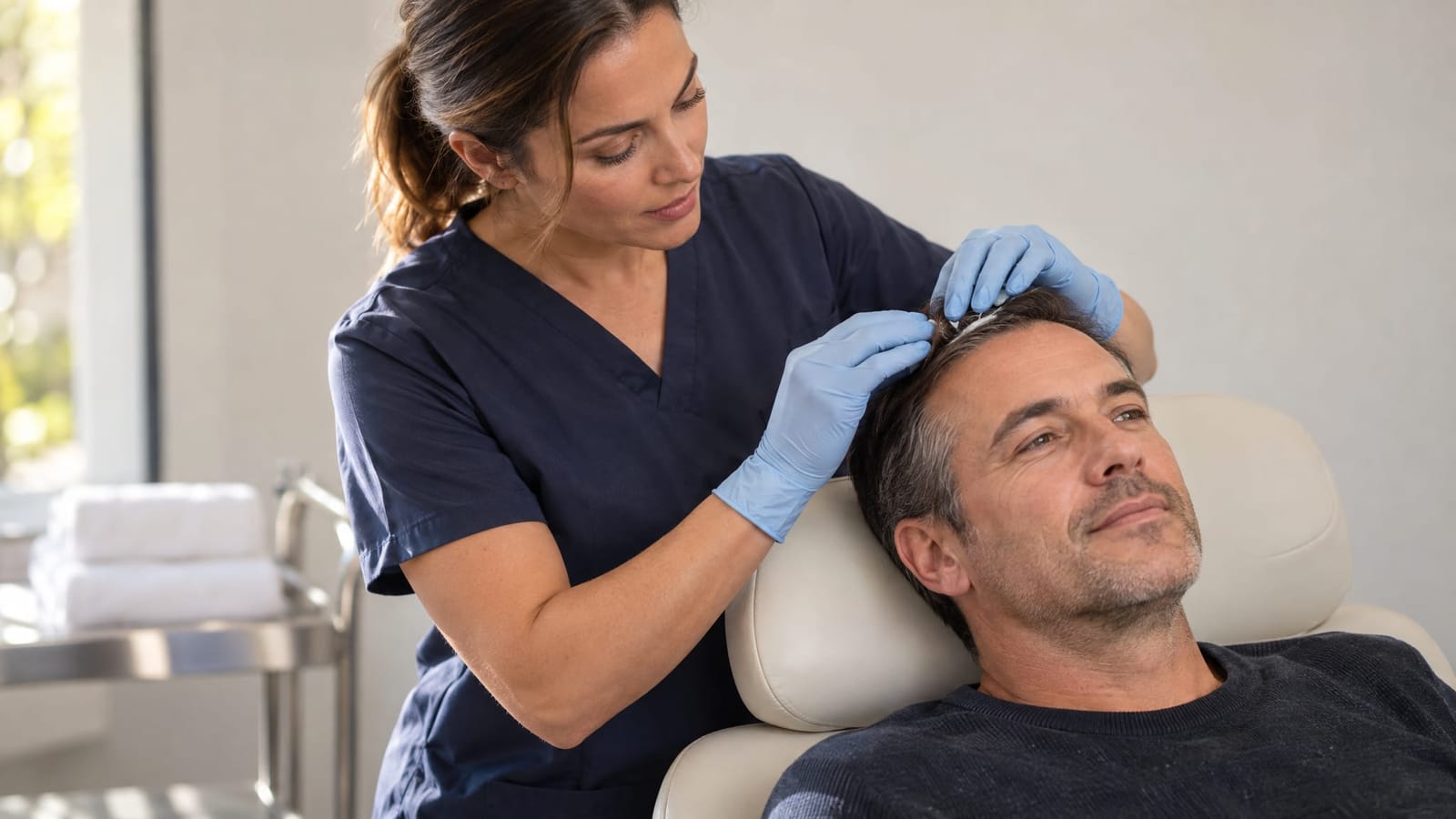
Can Peptides Help Regrow Hair? What Chara Health Recommends
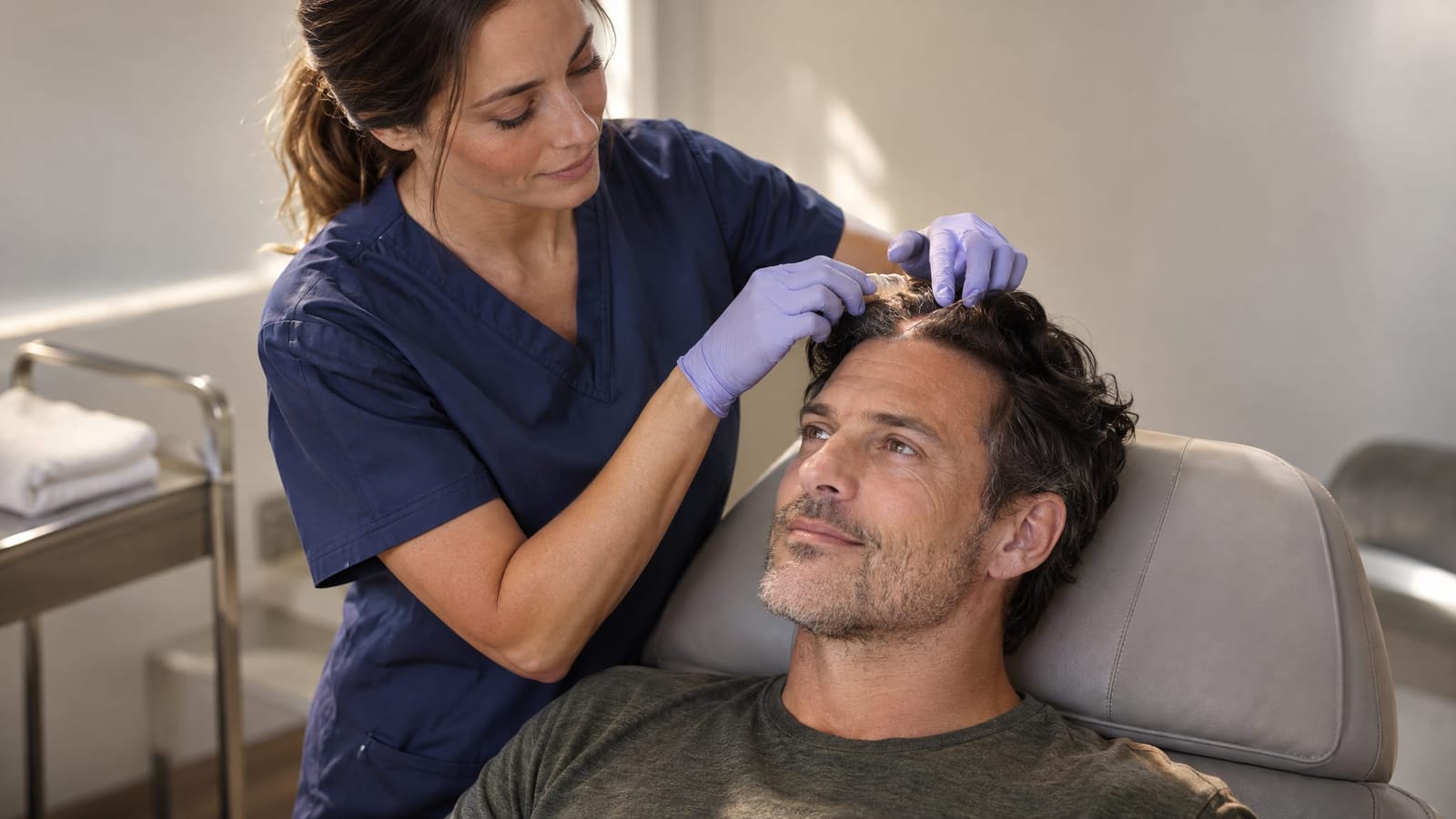
If you've been exploring hair restoration options in Los Angeles, you've likely come across peptides for hair regrowth, and wondered whether they're worth your attention. Peptides for hair regrowth have gained real traction in regenerative medicine, particularly as complements to advanced therapies like exosomes. But separating evidence-based potential from marketing noise requires a closer look. Here, Chara Health USA's team shares expert perspective on what peptides are, which ones show the most promise for hair follicle support, and how they fit into a personalized restoration protocol.
What Are Peptides for Hair Regrowth: And Why Are They Getting Attention?
Peptides are short chains of amino acids, the fundamental building blocks of proteins, that act as biological messengers in the body. In the context of hair health, certain peptides interact with follicle signaling pathways, scalp circulation, and the proteins that structurally support hair strands. This makes peptides for hair regrowth one of the more scientifically grounded options in the regenerative medicine space.
Hair loss affects approximately 50 million men and 30 million women in the United States. Most conventional treatments address symptoms without targeting the underlying biology. Peptides offer a different approach: working at the cellular level to support the conditions hair follicles need to function. That distinction matters, especially for patients who haven't gotten satisfactory results from traditional options like minoxidil or finasteride.
Research points to three main categories of peptides relevant to hair regrowth:
- Copper peptides (such as GHK-Cu): These support microcirculation to the scalp and may influence follicle signaling at a cellular level. GHK-Cu has attracted significant scientific interest for its potential role in stimulating follicle activity.
- Biomimetic peptides: Designed to mimic naturally occurring growth signals, these peptides aim to extend the anagen (active growth) phase of the hair cycle. Examples include acetyl tetrapeptide-3 and biotinoyl tripeptide-1.
- Keratin-supporting peptides: These contribute to the structural integrity of the hair shaft, helping reduce breakage and improve overall hair quality and density appearance.
It's worth noting an important limitation: peptides for hair regrowth are unlikely to revive follicles that have gone completely dormant. Their strongest application tends to be in supporting follicles that are weakened or miniaturizing, not those that have ceased functioning entirely. This is why early intervention, combined with a thorough clinical evaluation, matters so much.
The Science Behind Peptides for Hair Regrowth: What Research Shows
The conversation around peptides for hair regrowth isn't just anecdotal. There is a growing body of peer-reviewed research supporting specific peptide compounds. Understanding the science helps you ask better questions and make more informed decisions about your own restoration journey.
GHK-Cu: The Most Studied Peptide for Hair Follicle Support
Among the peptides studied for hair regrowth, GHK-Cu (copper tripeptide-1) has one of the more substantial bodies of supporting research. A 2007 study published in the Archives of Dermatological Research found that copper peptides increased hair follicle size and stimulated hair growth in laboratory models. Additional research has shown that GHK-Cu concentrations in the bloodstream naturally decline with age, dropping by nearly 70% between ages 20 and 60, which correlates with the timing of age-related hair thinning in many patients.
GHK-Cu appears to work through several mechanisms relevant to hair health:
- Promoting blood vessel formation (angiogenesis) around follicles, improving nutrient and oxygen delivery to the scalp
- Modulating growth factors, including vascular endothelial growth factor (VEGF): that influence follicle cycling
- Supporting collagen and elastin synthesis in the scalp's dermal layer, which provides the structural environment follicles need to thrive
- Reducing inflammatory signaling that can impair follicle function over time
- Activating follicle stem cells that help transition hair from a resting phase back into active growth
Studies on copper peptides suggest they can help improve follicle density and hair strand diameter in patients experiencing early-to-moderate hair thinning. One commonly cited timeframe in the literature: most patients using peptide-based approaches consistently begin to notice visible changes around the 3 to 4 month mark, which aligns with the natural hair growth cycle. This timeline sets realistic expectations and underscores why patience and consistency are essential components of any peptide-enhanced protocol.
At Chara Health USA, GHK-Cu is evaluated as one component within a broader, physician-supervised plan, not as a standalone solution expected to do all the work independently.
Biomimetic Peptides and the Hair Growth Cycle
Biomimetic peptides work by mimicking naturally occurring proteins and growth signals in the body. Two of the most studied in the context of hair regrowth are acetyl tetrapeptide-3 and biotinoyl tripeptide-1. Research published in the International Journal of Cosmetic Science found that a combination of these peptides significantly improved hair density and reduced hair loss compared to a placebo in a double-blind clinical trial. Participants showed measurable improvements in follicle anchoring strength, meaning less shedding during the telogen phase of the cycle.
The hair growth cycle has four phases: anagen (growth), catagen (transition), telogen (resting), and exogen (shedding). Many forms of hair thinning involve a shortened anagen phase or an abnormally prolonged telogen phase. Biomimetic peptides for hair regrowth appear to influence this timing: helping extend the growth phase and reduce premature follicle regression. For patients at Chara Health USA, understanding this mechanism helps explain why treatment timelines are structured the way they are.
How Delivery Method Affects Peptide Effectiveness
Not all peptide formulations are created equal. The way a peptide is delivered to the scalp significantly affects how well it penetrates and how bioavailable it is at the follicle level. At Chara Health USA, the clinical team evaluates delivery method as carefully as the peptide compound itself.
Common delivery approaches include:
- Topical serums and solutions: Applied directly to the scalp, these are most effective when formulated with penetration-enhancing ingredients. Molecular size matters: smaller peptides penetrate more effectively than larger compounds.
- Microneedling-assisted delivery: Creating microchannels in the scalp significantly improves peptide absorption. Studies suggest microneedling can increase topical absorption by up to 80%, making it a valuable adjunct to peptide application.
- Mesotherapy-style scalp injections: Direct injection into the scalp dermis bypasses the skin barrier entirely, delivering peptides precisely to the follicular environment. This approach is used in clinical settings when deeper penetration is required.
The right delivery method depends on the individual patient's degree of thinning, scalp condition, and overall treatment plan. This is one reason why physician oversight is so important when pursuing peptides for hair regrowth.
How Peptides for Hair Regrowth Complement Exosome Therapy
One of the more compelling aspects of Chara Health USA's approach to hair restoration is the use of combination protocols. Peptides are layered alongside exosome therapy to address hair loss from multiple biological angles simultaneously. This kind of multi-modal thinking reflects the broader philosophy of regenerative medicine, supporting the body's own repair mechanisms rather than simply suppressing symptoms.
Exosomes, extracellular vesicles derived from stem cells, carry growth factors, signaling proteins, and genetic material that may help stimulate follicle regeneration at a cellular level. Peptides, by contrast, tend to operate through different but complementary pathways: improving scalp circulation, supporting structural proteins, and reinforcing the cellular environment in which follicles function.
Think of it this way: exosomes may help initiate or amplify a regenerative signal at the follicle level, while peptides for hair regrowth help create and sustain the conditions under which that signal can be most effective. When used together under physician guidance, these therapies may offer more comprehensive follicle support than either approach used alone. Early clinical observations at Chara Health USA suggest that patients using combination protocols show more consistent improvements in follicle density than those using a single modality.
For patients who have already explored options like PRP without satisfactory results, this kind of layered approach is worth understanding. You can learn more about how these options compare in this overview of exosome vs PRP hair treatment results.
Who Is a Good Candidate for Peptides for Hair Regrowth?
Peptides for hair regrowth are not a universal solution, and part of what distinguishes Chara Health USA's approach is honest, individualized assessment. Understanding whether you're a good candidate requires looking at several factors together.
Ideal Candidates for Peptide-Based Hair Restoration
Patients who tend to see the strongest response to peptides for hair regrowth share certain characteristics. These include individuals in the early-to-moderate stages of hair thinning, where follicles are weakened or miniaturizing but still present and capable of responding to biological signals. Patients in this window have the most to gain from early intervention with a well-designed peptide protocol.
Other characteristics of strong candidates include:
- Thinning that has progressed gradually over several years rather than suddenly
- Diffuse thinning patterns rather than complete bald patches
- Good overall health with no untreated inflammatory or autoimmune conditions affecting the scalp
- Willingness to commit to a multi-month protocol with consistent follow-up
- Interest in a non-surgical, biologically informed approach to hair restoration
When Peptides May Be a Supporting Role, Not the Lead
In cases of more advanced hair loss, particularly where follicles appear to have been inactive for an extended period, peptides for hair regrowth are unlikely to reverse the process on their own. In these situations, Chara Health USA may recommend peptides as a supportive component within a broader protocol that includes exosome therapy or other regenerative approaches. The goal is always to use the right tools for each patient's specific biology and stage of loss.
Patients with underlying medical conditions such as alopecia areata, scalp psoriasis, or significant hormonal imbalances may require those issues to be addressed concurrently. The Chara Health USA clinical team assesses this as part of the initial consultation process.
What a Peptide-Enhanced Hair Restoration Plan Looks Like at Chara Health USA
A personalized plan at Chara Health USA begins long before any treatment is administered. The process is deliberately structured to ensure that every recommendation is clinically grounded and appropriate for the individual patient. Peptides for hair regrowth are never prescribed generically: they're selected based on a detailed understanding of each person's hair loss history, scalp condition, and treatment goals.
Here's what that planning process typically involves:
- Comprehensive scalp and hair assessment: Understanding the pattern, degree, and likely cause of thinning helps determine which therapies are most appropriate. Not all hair loss has the same origin: hormonal changes, inflammation, nutritional deficiencies, and genetic factors can each play a role, and often overlap.
- Review of prior treatments: Patients who have already tried minoxidil, finasteride, or traditional PRP are evaluated with that history in mind. Prior treatment response informs protocol design and helps avoid redundancy.
- Selection of appropriate peptides and delivery methods: Peptides for hair regrowth can be introduced through topical formulations, microneedling-assisted application, or direct scalp injection in a clinical setting. The method matters: bioavailability and penetration depth vary considerably depending on delivery approach.
- Integration with exosome or other regenerative therapies: When clinically appropriate, peptide protocols are layered with exosome sessions to create a more comprehensive and synergistic approach.
- Establishing a treatment timeline and follow-up schedule: Because meaningful results from peptides for hair regrowth typically develop over 3 to 4 months, regular follow-up appointments allow the Chara Health USA team to assess progress and make adjustments as needed. Understanding how many hair restoration sessions are needed is an important part of setting realistic expectations from the start.
Throughout the process, Chara Health USA emphasizes education and informed decision-making: helping patients understand not just what they're receiving, but why each element of the protocol was selected for their specific situation. Patients consistently report that this transparency is one of the most valued aspects of the Chara Health USA experience.
Frequently Asked Questions About Peptides for Hair Regrowth
How long does it take to see results from peptides for hair regrowth?
Most individuals using peptides for hair regrowth consistently begin to notice changes around the 3 to 4 month mark. This aligns with the natural hair growth cycle, which takes approximately 90 days to complete a full anagen phase. Visible improvement depends on factors including the degree of hair thinning, the specific peptides used, delivery method, and whether they're part of a broader combination protocol. The Chara Health USA team helps set appropriate expectations based on each patient's individual starting point and goals.
Are peptides safe for hair restoration?
Peptides used in clinical hair restoration contexts are generally considered well-tolerated, with a favorable safety profile compared to many pharmaceutical options. That said, the appropriateness of any specific peptide, and the method of delivery, depends on the individual patient. Physician oversight matters here. At Chara Health USA, a qualified provider evaluates your full health history before making any recommendations, ensuring that the selected protocol is both safe and appropriate for your specific situation.
Can peptides work if I've already lost significant hair?
Peptides for hair regrowth are most effective when follicles are weakened or miniaturizing rather than completely inactive. In cases of more significant hair loss, peptides may still play a supportive role within a combination protocol, particularly alongside exosome therapy, but an honest clinical evaluation is the most important first step. Chara Health USA is committed to giving patients realistic, evidence-based assessments rather than overpromising outcomes.
Do I need to use peptides indefinitely to maintain results?
This depends on the underlying cause of your hair loss and the specific protocol you're following. Some patients use peptides for hair regrowth as part of an ongoing maintenance strategy to preserve gains made during an active treatment phase. Others incorporate them during a defined treatment window and adjust from there based on follow-up assessments. Your Chara Health USA provider will help you understand what a long-term maintenance plan might look like for your specific situation and goals.
How do peptides for hair regrowth compare to finasteride or minoxidil?
Conventional options like finasteride and minoxidil work through entirely different mechanisms: finasteride blocks a hormone (DHT) that drives follicle miniaturization, while minoxidil dilates blood vessels to increase scalp circulation. Peptides for hair regrowth work at a more upstream biological level, supporting cellular signaling, structural protein synthesis, and the broader follicular environment. These approaches are not mutually exclusive. Many Chara Health USA patients have used conventional treatments prior to seeking regenerative options, and the clinical team incorporates that history into protocol design rather than dismissing it.
The Bottom Line on Peptides for Hair Regrowth
Peptides for hair regrowth, particularly copper peptides like GHK-Cu and biomimetic peptides such as acetyl tetrapeptide-3, represent a genuinely compelling area of regenerative medicine with a growing and credible evidence base. They are not a guaranteed solution, and they work best when thoughtfully integrated into a broader, physician-guided protocol rather than used in isolation. The biology of hair loss is complex. Addressing it effectively requires understanding which follicles are still capable of responding, selecting the right peptide compounds and delivery methods, and layering complementary therapies when appropriate.
At Chara Health USA, peptides for hair regrowth are evaluated as one meaningful tool within a comprehensive approach to hair restoration in Los Angeles: one designed around each patient's unique biology, history, and long-term goals. The team's commitment is to evidence-informed, personalized care that respects both the science and the individual. If you're curious whether a peptide-enhanced protocol might be appropriate for you, the most important next step is a personalized consultation with a qualified Chara Health USA provider who can assess your specific situation and give you an honest, expert perspective on your options.