Exosome vs. PRP Hair Treatment: Which Delivers Better Results?
If you've been researching hair restoration in Los Angeles, you've likely come across the exosome vs. PRP hair treatment debate, and for good reason. Both therapies fall under the regenerative medicine umbrella, and both aim to support healthier, fuller hair. But they work in fundamentally different ways, and understanding those differences can help you make a more informed decision. This guide breaks down the key distinctions in the exosome vs. PRP hair treatment comparison so you can better understand what each approach offers, what the research actually says, and what questions to ask before committing to a protocol.
Understanding the Exosome vs. PRP Hair Treatment Debate
The exosome vs. PRP hair treatment conversation has moved from niche medical circles into mainstream regenerative medicine, and for patients experiencing hair thinning, the stakes are real. Hair loss affects an estimated 80 million Americans, according to the American Academy of Dermatology, and the demand for effective, minimally invasive solutions continues to grow. Both PRP and exosome therapy have emerged as leading non-surgical options, but they differ significantly in how they work, how consistently they perform, and who tends to benefit most from each approach.
Understanding this distinction is no longer just for early adopters or research enthusiasts. It's a practical decision that can affect the trajectory of your hair restoration results over months and years. At Chara Health USA in Los Angeles, our regenerative medicine providers work with patients every day who want to understand this comparison in depth, before committing to a treatment protocol. What follows is the most thorough, honest breakdown of the exosome vs. PRP hair treatment question we can offer.
What Is PRP Hair Treatment: And How Does It Work?
Platelet-rich plasma (PRP) therapy has been used in medical settings for decades, originally in orthopedics and wound healing, before finding its way into hair restoration. The process starts with a simple blood draw from the patient. That blood is then placed in a centrifuge, which spins it at high speed to separate its components. The resulting platelet-rich layer is extracted and prepared for injection into the scalp.
Platelets are tiny blood cells that play a central role in healing. They contain growth factors, signaling proteins such as PDGF, VEGF, and IGF-1, that tell surrounding tissue to repair and regenerate. When concentrated PRP is introduced into areas of thinning hair, those growth factors stimulate the follicles and surrounding scalp tissue, encouraging a more active growth phase. A 2019 systematic review published in Aesthetic Plastic Surgery found that PRP significantly improved hair density and thickness in patients with androgenetic alopecia across multiple clinical studies.
PRP is autologous, meaning it comes directly from your own body, which many patients appreciate from a safety standpoint. However, the concentration of growth factors in PRP can vary considerably from person to person depending on individual biology, age, and overall health. This variability is one of the primary reasons results can differ so significantly between patients, and why some people find PRP underwhelming after several sessions.
Typically, PRP protocols involve three to six initial treatment sessions spaced weeks apart, followed by periodic maintenance treatments every four to six months. The cumulative time investment is substantial, and results tend to emerge gradually over a four-to-six-month period. For patients who are time-conscious or have already plateaued with PRP, this timeline becomes an important consideration when evaluating the exosome vs. PRP hair treatment question.
How PRP Hair Treatment Is Administered
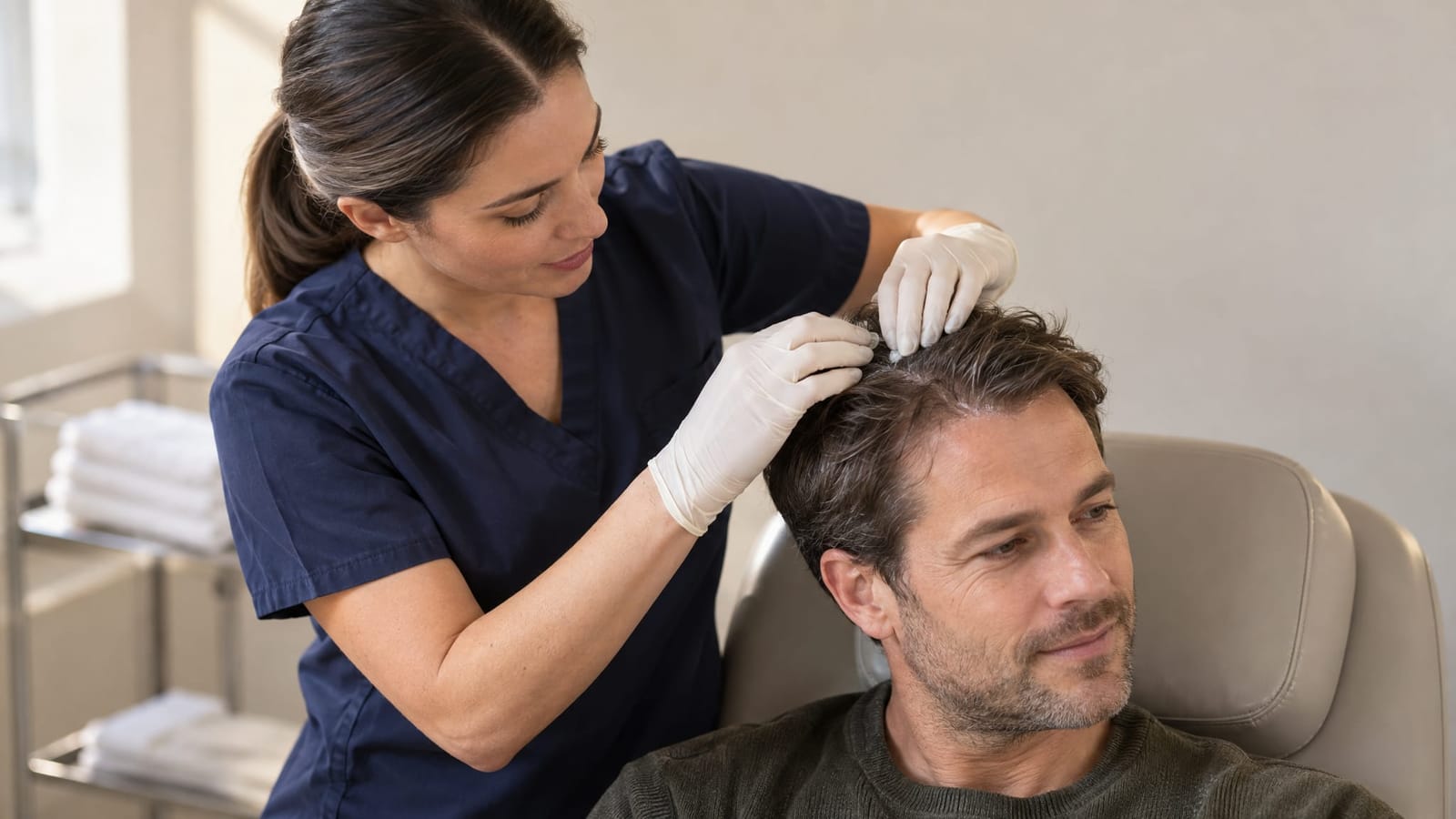
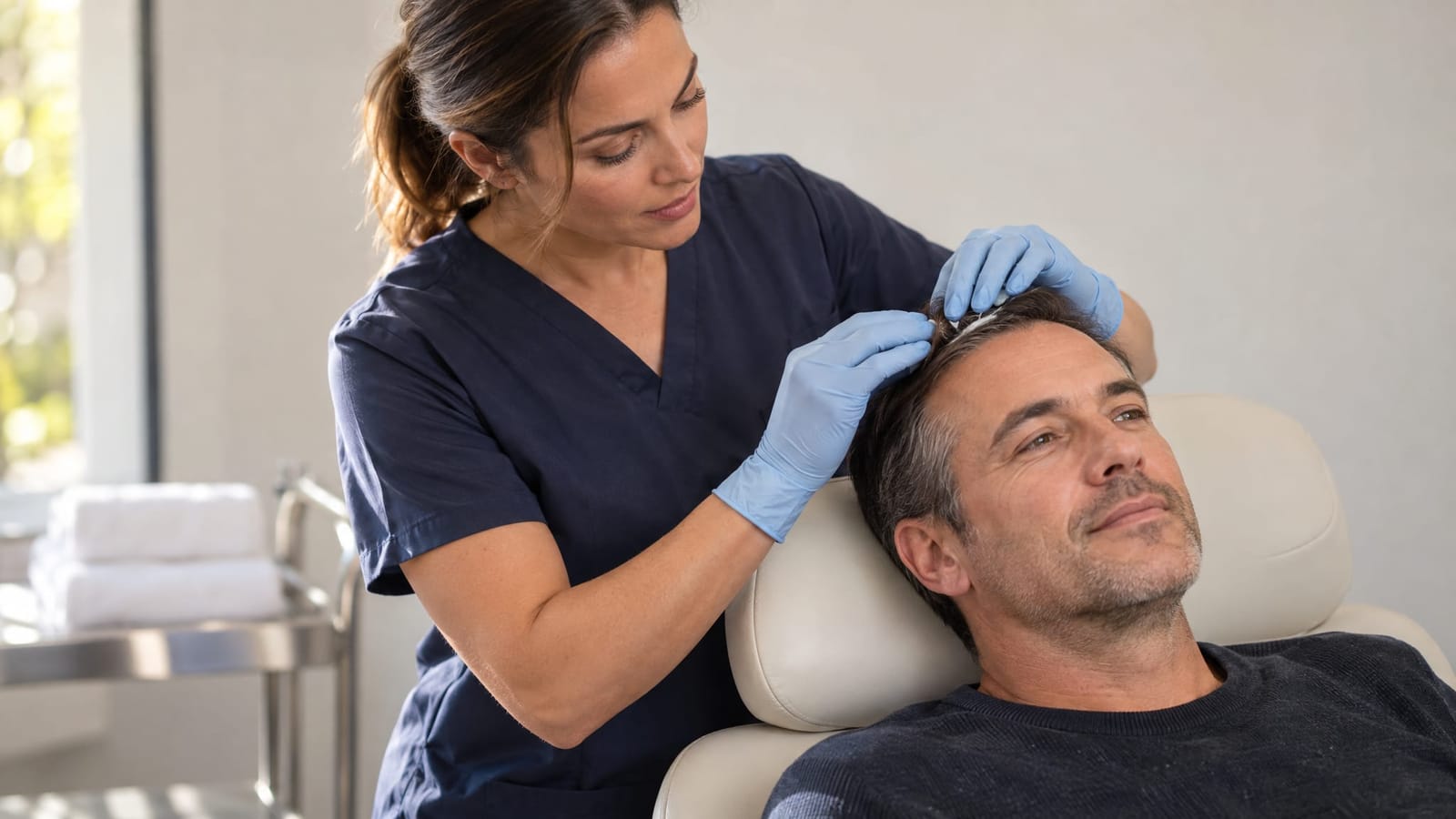
The in-office PRP experience is relatively straightforward. After the blood draw and centrifuge processing, the platelet-rich plasma is loaded into syringes and injected at multiple points across the scalp in the areas of thinning. Some providers use microneedling to distribute the PRP more evenly across a broader surface area. Total appointment time typically runs 60 to 90 minutes, and most patients experience only mild discomfort during the injection phase. There is little to no downtime, though some temporary scalp tenderness and redness can occur in the 24 to 48 hours following treatment.
What Are the Known Limitations of PRP Hair Treatment?
For all its strengths, PRP has documented limitations that are worth understanding. First, the biological variability problem is significant: a patient with a naturally low platelet count or age-related decline in growth factor quality will produce a less potent PRP preparation than a younger, healthier patient. Second, the lack of standardization across clinics means that PRP prepared with one centrifuge protocol can differ meaningfully from PRP prepared elsewhere, making outcome comparisons difficult. Third, multiple systematic reviews have noted that while PRP shows statistically significant improvements, the magnitude of those improvements can be modest: particularly for patients with more advanced hair loss. These limitations are central to why the exosome vs. PRP hair treatment comparison has gained so much clinical attention in recent years.
Who Has Historically Used PRP for Hair Restoration?
PRP's track record in hair restoration spans over 15 years of clinical use. Dermatologists, plastic surgeons, and regenerative medicine physicians have all adopted it as a first-line non-surgical option. The therapy is most commonly used for androgenetic alopecia: the genetic pattern hair loss that affects approximately 50 million men and 30 million women in the United States, according to the American Hair Loss Association. It has also been studied for alopecia areata and other forms of non-scarring hair loss. When evaluating the exosome vs. PRP hair treatment question, this extensive real-world history is one of PRP's most meaningful advantages: a large body of human clinical data that exosome therapy is still building toward.
What Is Exosome Hair Therapy: And How Is It Different?
Exosome therapy represents a more recent and sophisticated development in regenerative medicine, and its mechanism is distinctly different from PRP. Exosomes are nanoscale vesicles, tiny messenger particles ranging from 30 to 150 nanometers in diameter, that are naturally produced by cells throughout the body. They carry a rich cargo of growth factors, proteins, micro-RNA, and signaling molecules that facilitate communication between cells and coordinate repair processes.
In a clinical hair restoration context, exosomes are typically derived from mesenchymal stem cell sources and delivered into the scalp through microneedling or targeted injection. Once introduced, they work by signaling existing follicular stem cells in the scalp to become more active. Rather than simply adding growth factors to the tissue the way PRP does, exosomes deliver a precise set of biological instructions: encouraging the body's own cellular machinery to participate in follicle regeneration at a deeper level.
One of the most significant characteristics of exosome preparations is their consistency and concentration. Because they are produced under controlled laboratory conditions, the growth factor and signaling molecule content tends to be far more standardized than what can be obtained from an individual's blood draw. Research suggests that pharmaceutical-grade exosome preparations can contain significantly higher concentrations of relevant growth factors than typical PRP, which is one reason the exosome vs. PRP hair treatment comparison increasingly favors exosomes for patients seeking more predictable outcomes.
At Chara Health USA in Los Angeles, providers use exosome therapy as part of a broader regenerative hair restoration protocol: tailoring the approach to each patient's specific hair loss pattern, medical history, and treatment goals. Patients exploring how many hair restoration sessions they need for exosome therapy are often interested to learn that treatment protocols can be more streamlined than PRP, with some patients seeing meaningful results after fewer sessions, though individual responses always vary.
The Science Behind Exosome Signaling
To appreciate why exosome therapy is generating significant research interest, it helps to understand how cellular signaling differs from simple growth factor delivery. PRP floods the scalp tissue with growth factors, relying on those signals to diffuse into follicular tissue and stimulate activity. Exosomes, by contrast, are taken up directly by target cells, including follicular stem cells, where their micro-RNA cargo can influence gene expression at the intracellular level. This means exosomes don't just stimulate the tissue around follicles. They can potentially reprogram follicular stem cells to re-enter an active growth phase through a more fundamental biological mechanism. In the exosome vs. PRP hair treatment comparison, this difference in mechanism is arguably the most important distinction to understand.
What Makes Exosome Preparations More Consistent Than PRP?
Standardization is one of the defining advantages exosome therapy holds over PRP in the exosome vs. PRP hair treatment debate. When a patient undergoes PRP, the quality and potency of the resulting preparation is dictated entirely by their own biology on that specific day: their platelet count, their age, their inflammatory status, and even their hydration level can all influence the final product. Pharmaceutical-grade exosome preparations eliminate that variability. Each vial is produced under tightly controlled laboratory conditions with consistent cell sourcing, isolation protocols, and quality testing. The result is a preparation with a known and consistent concentration of growth factors, cytokines, and signaling molecules: delivered the same way every session, regardless of individual patient variation.
Exosome vs. PRP Hair Treatment: A Side-by-Side Comparison
When comparing exosome vs. PRP hair treatment directly, several meaningful distinctions emerge across key dimensions. Understanding these differences is essential for anyone making a serious, informed decision about their hair restoration journey.
Source, Composition, and Mechanism
- PRP source: Derived from the patient's own blood. Growth factor concentration depends entirely on individual biology, platelet count, and the centrifuge protocol used: making it inherently variable.
- Exosome source: Derived from mesenchymal stem cell sources under controlled laboratory conditions. Preparations are consistently concentrated and standardized, delivering a predictable biological payload with each treatment.
- PRP mechanism: Delivers a concentrated mix of growth factors that stimulate tissue repair and may encourage follicle activity in the surrounding scalp tissue. The action is largely paracrine: signaling nearby cells through growth factor diffusion.
- Exosome mechanism: Delivers cellular signals, including micro-RNA and protein complexes, that directly target and activate existing follicular stem cells, encouraging a more fundamental and precise regenerative response at the cellular level.
Treatment Sessions, Timeline, and Potency
- PRP sessions: Typically requires three to six initial sessions spaced three to four weeks apart, with maintenance treatments every four to six months thereafter. Results generally develop over four to six months.
- Exosome sessions: Protocols vary by provider and patient, but some patients require fewer initial sessions to see early results. Effects may appear more quickly for certain individuals, though outcomes always depend on individual factors including the degree of hair loss and follicle viability.
- PRP growth factor concentration: Patient-dependent. Studies show considerable variability: a meaningful limitation for patients with naturally lower platelet counts or age-related reductions in growth factor quality.
- Exosome growth factor concentration: Standardized preparations may contain significantly higher concentrations of relevant growth factors, cytokines, and signaling molecules. Some laboratory analyses indicate exosome preparations can carry 10 to 100 times more growth factors per volume than standard PRP preparations.
Procedure Experience and Logistics
- PRP procedure: Requires an in-office blood draw followed by centrifuge processing; can involve mild scalp discomfort during injection. Total appointment time typically runs 60 to 90 minutes.
- Exosome procedure: No blood draw required. Delivered via microneedling or targeted injection in a straightforward in-office experience, often with a shorter overall appointment time.
- PRP downtime: Minimal. Most patients return to normal activities within 24 to 48 hours, with mild scalp redness or tenderness during that period.
- Exosome downtime: Similarly minimal. Scalp sensitivity and mild redness are common for 24 hours post-treatment. Most patients resume regular activities the same day or the following morning.
It's worth emphasizing that neither therapy should be viewed as a guaranteed solution. The evidence base for both continues to evolve, and consulting with a qualified regenerative medicine physician is essential to understanding which approach may be appropriate for your specific hair loss pattern and health profile.
What Does the Research Say About Exosome vs. PRP Hair Treatment?
The clinical research landscape for both therapies is active and growing, though it is still maturing, particularly for exosome therapy, which is newer to widespread clinical application. Understanding where the evidence currently stands is an important part of making a well-informed decision in the exosome vs. PRP hair treatment comparison.
For PRP, the evidence base is more established. Multiple randomized controlled trials and systematic reviews have demonstrated statistically significant improvements in hair density and thickness among patients with androgenetic alopecia: the most common form of pattern hair loss. A 2020 meta-analysis published in the Journal of the American Academy of Dermatology confirmed that PRP improved hair count and density across studies, though the authors also noted significant variability in preparation protocols and outcomes, underscoring the consistency challenge inherent to autologous therapies.
For exosome hair therapy, early clinical data and case series are encouraging. Preclinical studies have demonstrated that exosomes derived from stem cells can activate the Wnt/β-catenin pathway: a critical signaling pathway involved in hair follicle cycling and the transition from resting (telogen) to active growth (anagen) phase. A 2021 study published in Stem Cell Research & Therapy found that exosome treatment promoted hair regrowth in animal models at rates comparable to minoxidil, with evidence of follicular stem cell activation that PRP did not replicate to the same degree.
A 2022 prospective clinical study examining scalp-applied exosome preparations found statistically significant increases in hair density and hair shaft diameter after 12 weeks of treatment: results that outpaced the improvements typically reported in PRP trials of similar duration. While larger, multi-center randomized controlled trials are still needed to fully establish the comparative efficacy of exosome vs. PRP hair treatment, the directional evidence is clear and compelling.
A further point worth noting: a 2023 review in the International Journal of Molecular Sciences highlighted that exosome-based therapies demonstrated superior anti-inflammatory effects compared to PRP in the scalp microenvironment. Chronic low-grade scalp inflammation is a recognized contributor to follicle miniaturization in androgenetic alopecia: making this anti-inflammatory capacity an additional mechanistic advantage for exosome therapy in the broader exosome vs. PRP hair treatment comparison.
Human clinical trials for exosome hair therapy are ongoing, and the field is advancing rapidly. At Chara Health USA, our providers stay current with the emerging literature to ensure patients have access to the most up-to-date, evidence-informed treatment options available in Los Angeles regenerative medicine.
Exosome vs. PRP Hair Treatment: Cost and Value Considerations
For health-conscious patients evaluating the exosome vs. PRP hair treatment question, cost is a practical reality that deserves honest discussion. Neither therapy is inexpensive, and the investment should be understood in the context of long-term value, not just per-session pricing.
PRP treatments in Los Angeles typically range from $700 to $1,500 per session, depending on the provider, the protocol used, and the volume of PRP prepared. Given that most patients require three to six initial sessions plus ongoing maintenance every four to six months, the total first-year investment can range from approximately $2,100 to $9,000 or more, depending on the clinic and the protocol.
Exosome therapy carries a higher per-session cost, often ranging from $2,000 to $4,000 or more per session in premium regenerative medicine practices, reflecting the complexity of the preparation process and the concentration of biological material delivered. However, the total cost comparison between exosome vs. PRP hair treatment over a full treatment course is less straightforward than the per-session numbers suggest. Some patients achieve comparable or superior outcomes with fewer exosome sessions, which can reduce the overall financial gap meaningfully.
It's also worth considering the indirect cost of unsuccessful PRP rounds. Many patients who arrive at Chara Health USA have already spent $3,000 to $6,000 on PRP at other clinics with minimal improvement. Viewed through that lens, the incremental cost of exosome therapy is often less significant than it appears when compared purely on a per-session basis. The real question in the exosome vs. PRP hair treatment cost analysis is not which therapy costs more per session: it's which therapy delivers the most value relative to your total investment over time.
At Chara Health USA, our consultations include a transparent breakdown of expected total investment based on your individualized protocol, so you can make a financially informed decision alongside a medically informed one. For patients who have already spent thousands on multiple rounds of PRP without satisfying results, the calculus often shifts decisively in favor of exploring exosome therapy as a more potent next step.
Who Is the Best Candidate for Each Treatment?
The exosome vs. PRP hair treatment decision is not one-size-fits-all. Both therapies can be appropriate for different patients depending on a range of individual factors. Understanding candidacy is an essential part of the consultation process at Chara Health USA.
Patients Who May Benefit Most from PRP Hair Treatment
- Individuals in the early stages of hair thinning with good baseline platelet health
- Patients who prefer an autologous treatment derived entirely from their own biology
- Those seeking a well-established, longer-track-record therapy with a substantial evidence base
- Patients whose budget constraints make PRP a more accessible starting point
- Individuals whose providers recommend PRP as a first-line approach based on their specific hair loss pattern
- Younger patients with active follicles who are in the early stages of androgenetic alopecia
Patients Who May Benefit Most from Exosome Hair Therapy
- Individuals who have completed one or more rounds of PRP without satisfying results
- Patients with naturally low platelet counts or age-related reductions in growth factor quality
- Those with dormant or minimally active follicles who need more targeted cellular signaling to reactivate follicular stem cells
- Patients seeking a more streamlined treatment protocol with potentially fewer sessions
- Health-conscious individuals who prioritize cutting-edge regenerative approaches and want the next generation of hair restoration science
- Those who have experienced moderate-to-significant hair thinning and want a more potent, consistent biological intervention
- Patients over 45 whose natural growth factor production has declined meaningfully with age
- Individuals with chronic scalp inflammation or documented DHT sensitivity who may benefit from exosomes' additional anti-inflammatory signaling
It's important to note that some patients benefit from a sequential or combined approach: beginning with PRP and transitioning to exosome therapy as their treatment plan evolves. In the exosome vs. PRP hair treatment comparison, the best outcome is often achieved not by treating these therapies as mutually exclusive, but by understanding them as tools that can work at different stages of a comprehensive hair restoration journey. The most important step is always a thorough one-on-one evaluation with a qualified physician who can assess your hair loss pattern, scalp health, and overall medical history.
Exosome vs. PRP Hair Treatment: Combining Both for Enhanced Results
One area that receives less attention in the standard exosome vs. PRP hair treatment discussion is the potential value of a combined or sequential protocol. For the right patient, using PRP and exosome therapy together, or transitioning from one to the other at a strategic point in the treatment timeline, may offer advantages that neither therapy achieves alone.
Some regenerative medicine providers have begun exploring protocols in which PRP is used first to prime the scalp's vascular and growth factor environment, followed by exosome therapy to deliver more precise follicular stem cell signaling into that primed tissue. The rationale is that PRP may enhance local blood flow and growth factor availability in a way that makes the scalp more receptive to the targeted cellular signals delivered by exosomes. Early clinical experience at practices using this approach has been encouraging, though controlled trials comparing combined protocols to either therapy alone are still limited.
At Chara Health USA, our providers evaluate each patient's hair loss history, previous treatment response, and biological profile before recommending any protocol, whether that means PRP alone, exosome therapy alone, or a thoughtfully designed combination. The exosome vs. PRP hair treatment question is ultimately not always a binary one. For patients with complex hair loss patterns or a history of partial response to prior treatment, a multi-modal strategy may represent the most rational path forward.
Why Patients at Chara Health USA Choose Exosome Therapy After PRP
A meaningful subset of patients who arrive at Chara Health USA in Los Angeles have already completed one or more rounds of PRP without the results they hoped for. This experience is more common than many people realize, and understanding why exosome therapy appeals to this group is central to the broader exosome vs. PRP hair treatment conversation.
For patients with naturally lower platelet counts, older age, or other biological factors that limit PRP's effectiveness, the variability inherent to autologous treatment becomes a genuine obstacle. Exosome therapy sidesteps that variability by delivering a consistent, highly concentrated signal to the scalp's stem cell population: one that doesn't depend on what the patient's own blood can produce on any given day.
Additionally, because exosomes work at the level of cellular communication rather than simply flooding tissue with growth factors, they may be particularly relevant for patients whose follicles are still biologically present but have become dormant or minimally active. The goal is to reawaken that latent follicular potential through more precise biological signaling: a fundamentally different approach that many patients find compelling after plateauing with PRP.
At Chara Health USA, our regenerative approach combines exosome therapy with complementary modalities, including peptide therapy and other advanced treatments, to create a comprehensive, personalized hair restoration strategy rather than a single-modality protocol. Peptides, for example, play a supporting role in optimizing the overall environment of follicle health and scalp regeneration. This integrative philosophy is what distinguishes a sophisticated regenerative medicine practice from a transactional treatment center. When patients evaluate the exosome vs. PRP hair treatment question in the context of a full regenerative protocol, the advantages of an advanced, multi-modal approach become clear.
"I had done three rounds of PRP at another clinic with minimal improvement. After two sessions of exosome therapy at Chara Health, I started noticing real density changes in areas I thought were gone for good. The difference was noticeable within a few months.": Chara Health USA patient, Los Angeles
"I was skeptical at first: I'd already spent a lot on PRP without much to show for it. My provider at Chara Health took the time to explain exactly how the exosome treatment worked differently and why it might be more effective for my hair loss pattern. That transparency made all the difference. Six months later, I'm genuinely glad I made the switch.": Chara Health USA patient, Los Angeles
What to Expect During an Exosome Hair Treatment Session at Chara Health USA
For patients new to exosome therapy, understanding what the in-office experience looks like can help reduce uncertainty and set realistic expectations. At Chara Health USA, the process is designed to be efficient, comfortable, and medically rigorous from start to finish.
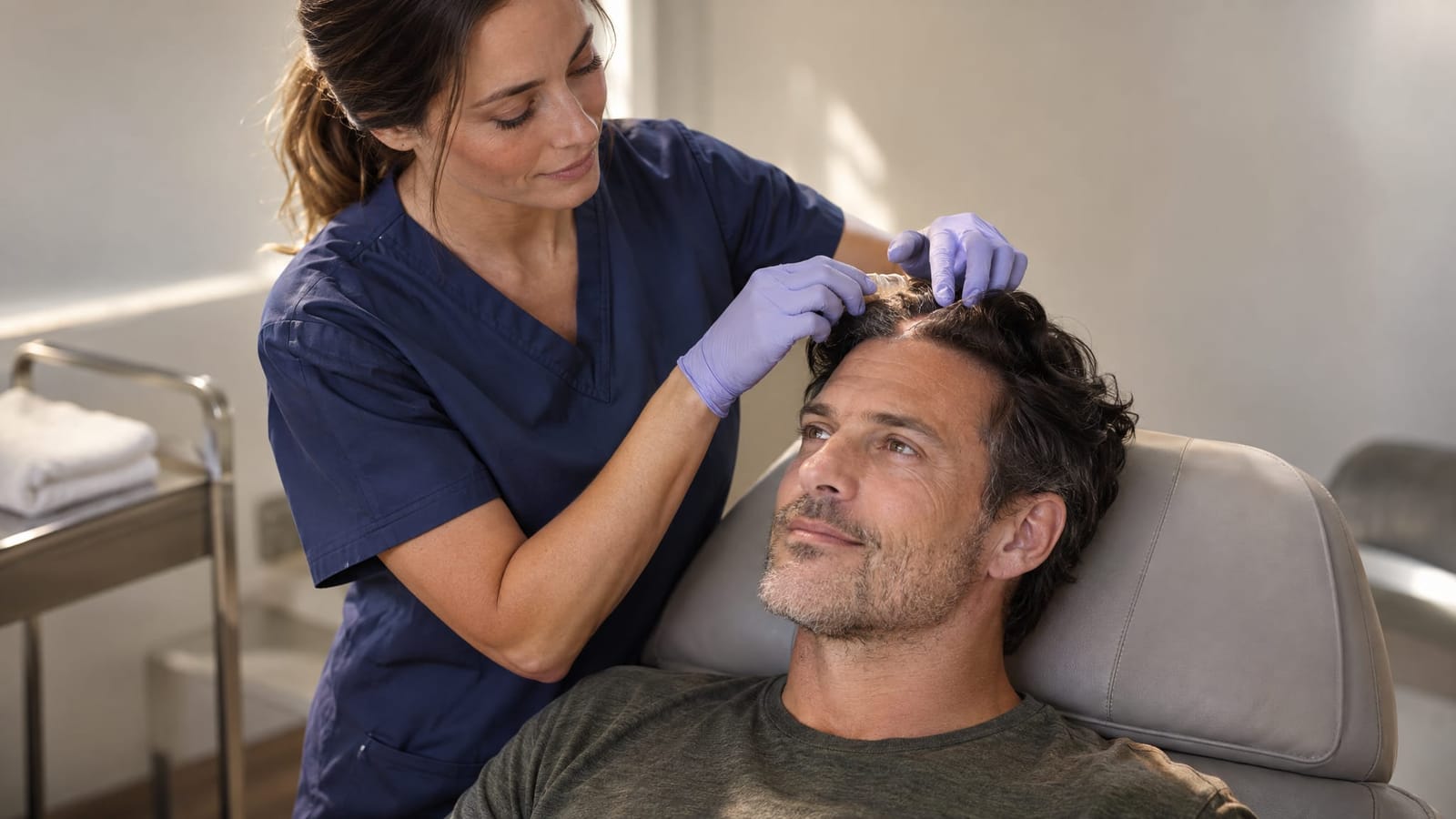
A typical exosome hair treatment session begins with a consultation review: your provider will assess your scalp, review your treatment history, and confirm the protocol. The scalp is then cleansed and prepared, and a topical numbing agent may be applied to minimize discomfort. The exosome solution is delivered via microneedling or targeted injection, depending on your individualized protocol. Most in-office sessions are completed within 45 to 75 minutes.
Post-treatment, patients are generally advised to avoid vigorous scalp washing, direct sun exposure, and strenuous exercise for 24 to 48 hours. There is typically minimal downtime: most patients return to normal activities the same day or the following morning. Mild scalp redness or sensitivity in the treated area is common and usually resolves within 24 hours.
Follow-up appointments are scheduled based on your individualized protocol, and your Chara Health USA provider will monitor your progress at each visit: adjusting the approach as needed based on how your scalp and follicles are responding. This ongoing clinical oversight is a key part of what separates a medical-grade exosome vs. PRP hair treatment program from a one-size-fits-all clinic experience.
How Chara Health USA Monitors Treatment Progress
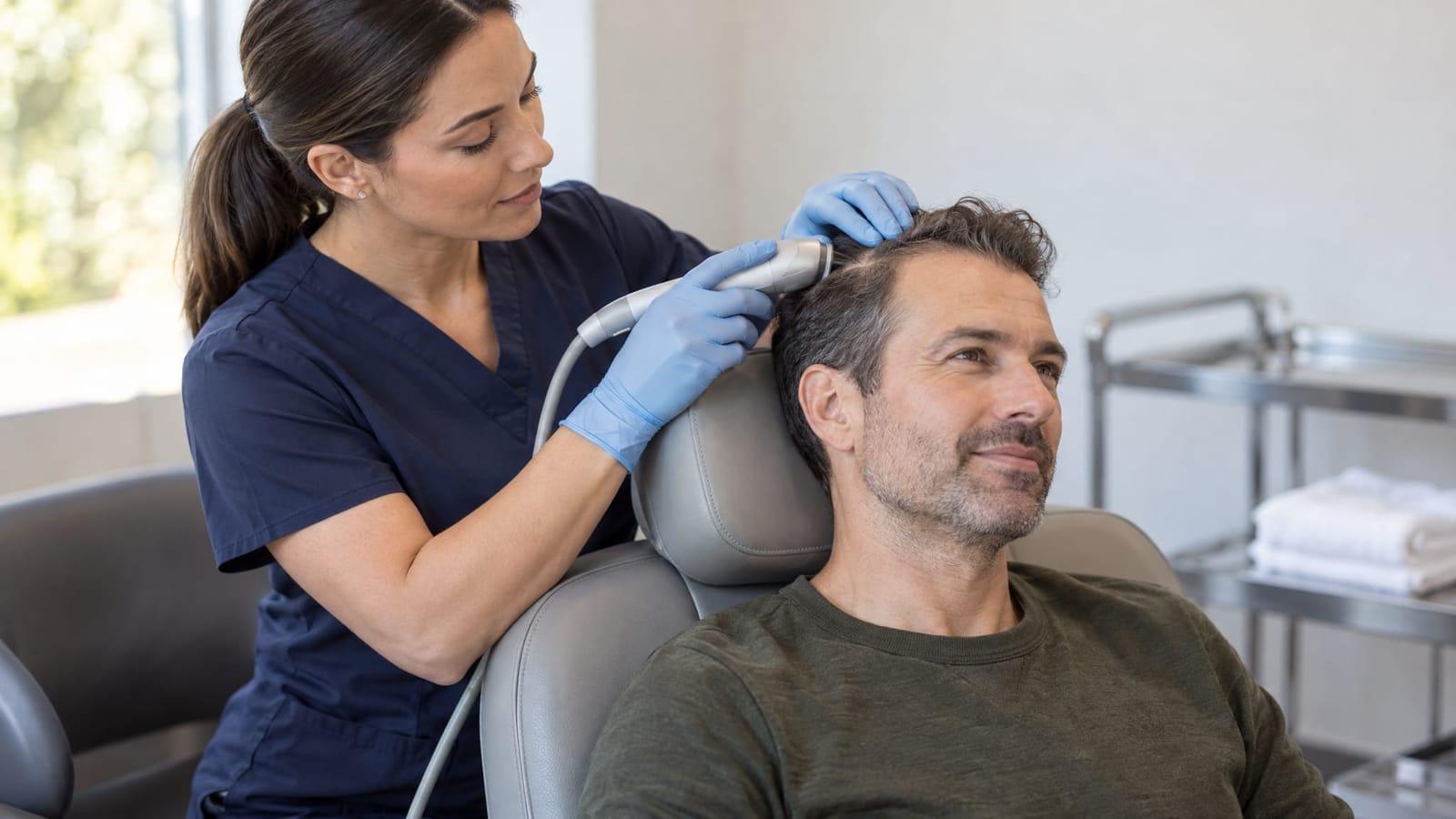
Progress monitoring is a critical and often underemphasized part of any regenerative hair restoration program. At Chara Health USA, providers use standardized scalp photography and hair density assessments at baseline and at each follow-up visit to track objective changes over time. This documentation serves two purposes: it gives patients a concrete, visual record of their progress, which can be especially motivating during the early months when changes are subtle, and it gives the clinical team the data they need to refine the protocol in real time. In the exosome vs. PRP hair treatment comparison, this level of ongoing clinical oversight ensures that treatment decisions are always driven by your actual biological response, not by a rigid one-size-fits-all schedule.
How to Maximize Your Results: Lifestyle Factors That Support Both Exosome and PRP Hair Treatment
One area that is often underemphasized in the exosome vs. PRP hair treatment conversation is the role that lifestyle and overall health play in determining outcomes. Neither therapy operates in a vacuum. The biological environment of your scalp, influenced by nutrition, sleep quality, stress hormones, and systemic inflammation, affects how well any regenerative treatment works.
At Chara Health USA, our providers frequently discuss the following lifestyle factors with patients undergoing hair restoration treatment:
- Nutritional status: Deficiencies in iron, zinc, biotin, vitamin D, and protein are all associated with accelerated hair shedding and impaired follicle function. Correcting underlying deficiencies before or during treatment can meaningfully improve outcomes for both exosome and PRP therapy.
- Scalp health and circulation: Regular scalp massage, adequate hydration, and avoiding excessive heat styling or harsh chemical treatments supports the vascular environment that follicles depend on. Good scalp circulation helps ensure delivered growth factors and exosomes can reach target tissue effectively.
- Stress management: Chronic cortisol elevation is a documented driver of telogen effluvium: a form of stress-induced hair shedding. Patients who are under significant psychological or physiological stress may experience muted results from either therapy until stress is adequately addressed.
- Sleep quality: Growth hormone secretion, which occurs primarily during deep sleep, plays a role in tissue repair and regeneration. Poor sleep hygiene can blunt the regenerative effects of any scalp treatment, including both exosome and PRP therapy.
- Avoiding DHT contributors where appropriate: For patients with androgenetic alopecia, addressing DHT sensitivity through appropriate medical or nutritional strategies can create a more favorable follicular environment for regenerative therapies to work within.
- Scalp hygiene: A clean, healthy scalp microbiome supports the optimal environment for follicle function. Chronic seborrheic dermatitis or scalp inflammation can impair treatment response. Your Chara Health USA provider can recommend appropriate scalp care protocols to support your treatment plan.
At Chara Health USA, our whole-person approach to regenerative medicine means that hair restoration is viewed in the context of your overall health, not as an isolated cosmetic procedure. This philosophy ensures that the treatments you invest in have the best possible biological environment to deliver meaningful, lasting results.
Making an Informed Decision: Key Questions to Ask Your Provider
Whether you're leaning toward PRP, exosome therapy, or a combination approach, arriving at your consultation with the right questions puts you in a stronger position to make a decision aligned with your goals. The exosome vs. PRP hair treatment comparison is nuanced, and a qualified provider should welcome your curiosity rather than deflect it.
Consider asking the following during your consultation:
- What is my current stage of hair loss, and which treatment is most appropriate for that stage?
- What growth factor concentrations does your PRP protocol typically achieve, and how does that compare to your exosome preparation?
- How many sessions do you typically recommend for my hair loss pattern, and what does the maintenance protocol look like?
- Have you treated patients with a similar profile to mine? What kinds of outcomes have you observed?
- Are there any contraindications I should be aware of given my health history?
- Would a combined approach, such as exosomes with peptide therapy, be appropriate for my situation?
- What does realistic progress look like at three months, six months, and one year?
- How do you assess and document treatment response over time, and what would prompt a change in protocol?
- What exosome preparation do you use, and can you provide information about its sourcing, concentration, and quality testing standards?
- In your clinical experience comparing exosome vs. PRP hair treatment outcomes, what patterns have you observed in patients with my type of hair loss?
At Chara Health USA, initial consultations are designed to be substantive and honest: focused on giving you a realistic picture of what regenerative hair restoration can and cannot accomplish for your specific situation. No ethical provider will promise guaranteed results, but a good one will help you understand the probabilities, set meaningful benchmarks for progress, and adjust the approach over time based on how your body responds.
Frequently Asked Questions: Exosome vs. PRP Hair Treatment
Is exosome hair therapy better than PRP?
In the exosome vs. PRP hair treatment comparison, exosome therapy offers several mechanistic advantages, including more consistent growth factor concentrations, direct follicular stem cell activation, and reduced biological variability. For many patients, particularly those who have plateaued with PRP, exosome therapy may deliver more robust and predictable results. However, PRP has a well-established track record and remains appropriate in certain clinical contexts. The best answer depends on your individual hair loss pattern, health profile, and treatment history. A qualified provider at Chara Health USA can help you determine which approach aligns best with your goals.
How long does it take to see results from exosome hair treatment?
Results timelines vary by individual and degree of hair loss. Some Chara Health USA patients begin noticing early changes, increased hair texture, reduced shedding, or early density improvements, within two to three months of treatment. More significant regrowth and density changes typically become visible at the four-to-six-month mark. In the exosome vs. PRP hair treatment comparison, exosome therapy may show results more quickly than traditional PRP protocols for some patients, but no outcome is guaranteed. Your provider will give you a personalized timeline expectation during your consultation.
Is exosome hair therapy safe?
Pharmaceutical-grade exosome preparations used in clinical settings are generally considered well-tolerated, with a favorable safety profile. The procedure itself is minimally invasive, and serious adverse events are rare when treatment is performed by a qualified, experienced provider. As with any medical treatment, individual responses can vary. At Chara Health USA, every patient undergoes a thorough health history review before treatment begins to ensure appropriate candidacy. Always consult a licensed healthcare professional before beginning any hair restoration therapy.
Can I combine exosome therapy with other hair restoration treatments?
Yes, and many patients benefit significantly from a combined approach. At Chara Health USA, providers frequently incorporate complementary regenerative strategies alongside exosome treatment, including peptide therapy, nutritional support, and other advanced modalities. The goal is to address follicle health from multiple angles rather than relying on a single intervention. Any combination protocol should be individualized to your specific needs by a qualified physician who understands the full picture of your hair loss history and health status.
How does the cost of exosome therapy compare to PRP for hair loss?
Exosome therapy typically carries a higher per-session cost than PRP, reflecting the complexity of the preparation process and the concentration of biological material delivered. However, the total cost comparison between exosome vs. PRP hair treatment over a full treatment course is less straightforward: some patients require fewer exosome sessions to achieve comparable or superior outcomes, which can offset the per-session cost difference. Your Chara Health USA provider will give you a clear picture of expected total investment during your consultation, so you can make both a medically and financially informed decision.
Who should not pursue exosome or PRP hair treatment?
Both therapies have contraindications that a qualified physician will screen for during your consultation. Patients with active scalp infections, certain autoimmune conditions, blood disorders, or a history of certain cancers may not be appropriate candidates for one or both therapies. Pregnant or breastfeeding individuals should also defer treatment. In the exosome vs. PRP hair treatment evaluation, appropriate candidacy screening is a non-negotiable first step, which is why Chara Health USA conducts comprehensive health history reviews before recommending any regenerative treatment protocol.
How do I know if my hair follicles are still viable enough to respond to exosome or PRP treatment?
Follicle viability is one of the most important factors determining treatment candidacy and expected outcomes in the exosome vs. PRP hair treatment decision. Both therapies work best when follicles are miniaturized but still biologically active: capable of responding to regenerative signals. Follicles that have been dormant for many years or have undergone significant fibrotic scarring are less likely to respond to either therapy. A scalp assessment performed by a qualified physician, including trichoscopy or dermoscopy, can help determine the degree of follicle activity present and whether regenerative therapy is likely to be beneficial. At Chara Health USA, this evaluation is a standard part of the initial consultation.
The Bottom Line: Exosome vs. PRP Hair Treatment: Which Is Right for You?
Both exosome and PRP therapies represent meaningful, science-backed options within regenerative hair restoration, but they are not equivalent. The exosome vs. PRP hair treatment comparison consistently highlights important advantages for exosome therapy in terms of mechanism, consistency, and biological potency. Exosome therapy offers a more sophisticated mode of action, more standardized and concentrated growth factor delivery, and may require fewer sessions for some patients: making it an increasingly preferred choice among health-conscious individuals seeking the most advanced follicle support available.
For patients who have already pursued PRP without satisfying results, the exosome vs. PRP hair treatment question often has a clear answer: exosome therapy represents a logical, scientifically grounded next step. For those just beginning their hair restoration journey, it may represent the most direct path to meaningful, lasting improvement: particularly when integrated into a comprehensive regenerative protocol like the one offered at Chara Health USA in Los Angeles.
The exosome vs. PRP hair treatment decision ultimately comes down to your individual biology, your hair loss history, and what you want from your investment in regenerative medicine. PRP remains a well-documented, accessible option for appropriate candidates. Exosome therapy offers a next-generation approach with growing evidence, superior standardization, and a mechanism that may address the limitations of PRP directly. For many patients, particularly those who have tried PRP already or who want the most potent available option from the outset, exosome therapy is the more compelling choice in the exosome vs. PRP hair treatment comparison.
What stays constant is the importance of making that decision with the right clinical partner: one who will evaluate your specific situation honestly, set realistic expectations, and build a treatment plan designed around your actual hair loss pattern and long-term health goals. At Chara Health USA, that commitment to personalized, evidence-informed regenerative care is the foundation of everything we do.
To explore whether exosome therapy, or a personalized combination approach, is right for you, speak with a provider at Chara Health USA as part of a comprehensive hair restoration plan tailored to your unique biology and goals. The most important step in the exosome vs. PRP hair treatment journey is also the simplest one: start with an honest, thorough conversation with a physician who specializes in regenerative medicine and understands what it takes to get real, lasting results.