Hair Loss After 40: What's Really Happening and How Regenerative Medicine Can Help
If you've noticed more hair on your pillow, a widening part, or a hairline that seems to be quietly retreating, you're far from alone. Hair loss after 40 is one of the most common, and most emotionally significant, changes both men and women face at midlife. According to the American Academy of Dermatology, more than 80 million Americans experience hereditary hair loss, with prevalence rising sharply after age 40. Yet hair loss is often dismissed as inevitable or purely cosmetic. The reality is far more nuanced. Understanding what's driving hair loss after 40 is the first step toward finding hair loss after 40 treatment options that work at a deeper, more meaningful level. At Chara Health USA, we believe hair restoration deserves the same rigorous, root-cause thinking we apply to every aspect of longevity medicine. This guide explains what's really happening in your scalp, and what today's best hair loss after 40 treatment options can do about it.
Why Hair Loss After 40 Is Different From Hair Loss at Any Other Age
Hair loss after 40 doesn't behave the same way it does in your 20s or 30s. The biology shifts. Multiple age-related mechanisms converge at midlife, creating a more complex and stubborn pattern of follicle decline. This is why hair loss after 40 treatment requires a more sophisticated approach than simply reaching for a bottle of minoxidil or changing your shampoo.
Research published in the Journal of Investigative Dermatology confirms that hair follicle stem cell activity declines significantly with age. By your 40s, follicles that once spent years in the active growth phase may cycle through in a matter of months. Each shortened cycle produces a thinner, weaker strand. Over time, the follicle miniaturizes, and eventually stops producing visible hair altogether.
The good news: this process is not instantaneous. There is a meaningful window during which targeted hair loss after 40 treatment can slow, halt, or in some cases partially reverse follicle miniaturization. The key is understanding the specific drivers at work in your scalp and addressing them with a protocol that matches your biology.
The Biology Behind Hair Loss After 40
Hair loss after 40 is not a single event. It's the result of several converging biological shifts that unfold over years. Understanding those shifts helps clarify why treatments that worked in your 30s may feel far less effective a decade later. It also explains why a personalized, multi-pronged approach to hair loss after 40 treatment consistently outperforms single-solution protocols.
The primary biological drivers of midlife hair loss include:
- Hormonal fluctuations: In men, dihydrotestosterone (DHT), a byproduct of testosterone, progressively miniaturizes genetically sensitive hair follicles. In women, declining estrogen and progesterone during perimenopause and menopause reduce the hormonal protection that once kept hair in a healthy growth phase longer. Research published in the Journal of Clinical Endocrinology & Metabolism confirms that hormonal shifts are a primary accelerant of hair follicle decline after 40.
- Slower cellular renewal: Stem cells within hair follicles become less active with age. This slows the regeneration of follicle structures and shortens the anagen (active growth) phase from years to months. Effective hair loss after 40 treatment increasingly targets this mechanism directly.
- Reduced scalp microcirculation: Blood flow to the scalp naturally decreases with age. Less circulation means less oxygen and fewer nutrients reaching follicles: the exact conditions under which follicles begin to miniaturize and fail.
- Chronic low-grade inflammation: Emerging research identifies scalp inflammation as a significant contributor to follicle miniaturization. A 2021 study in Dermatology and Therapy found elevated inflammatory markers in the scalp tissue of patients with androgenetic alopecia: a factor largely unaddressed by standard treatments.
- Nutritional and metabolic shifts: Changes in absorption, diet, and metabolic efficiency after 40 frequently cause deficiencies in iron, zinc, biotin, vitamin D, and ferritin, all critical for healthy hair growth cycles.
- Oxidative stress accumulation: Decades of cumulative oxidative stress damage follicle DNA and mitochondrial function. This accelerates the aging of hair-producing cells in ways that topical treatments rarely reach.
For most people over 40, it's not one cause but a combination of these factors working simultaneously. That's precisely why a single-product approach to hair loss after 40 treatment so often falls short of expectations. A comprehensive strategy addresses each driver, not just the most visible one.
Recognizing the Signs: How Hair Loss After 40 Presents Differently by Gender
Hair loss after 40 doesn't always look the way people expect. Catching the early warning signs allows for more effective treatment. Earlier intervention consistently produces better outcomes across all hair loss after 40 treatment modalities: making awareness a genuine clinical asset.
Signs of Hair Loss in Men Over 40
Men typically experience patterned hair loss beginning at the temples and crown. By age 50, approximately 50% of men show significant signs of male-pattern baldness, according to data from the National Institutes of Health. Early signs include a gradually receding hairline, a thinning crown, and reduced hair density at the temples. Hair texture may also change: becoming finer and lighter before falling out altogether. Many men dismiss these early signals as normal aging. In fact, they represent a window during which hair loss after 40 treatment is most likely to produce meaningful restoration.
Signs of Hair Loss in Women Over 40
Women's hair loss after 40 is more likely to present as diffuse thinning across the crown and top of the scalp. The part line widens. Ponytails become noticeably thinner. Many women experience increased shedding, more than the typical 50 to 100 hairs per day, especially during hormonal transitions like perimenopause. Because women's hair loss is often less visually dramatic in early stages, it tends to go untreated longer. This delay makes early evaluation especially important and is one reason the physicians at Chara Health USA prioritize thorough hormonal assessment as part of every hair loss after 40 treatment consultation for women.
Warning Signs That Require Prompt Medical Evaluation
Certain patterns signal that hair loss after 40 treatment should be prioritized without delay. Seek a physician evaluation if you notice any of the following:
- Sudden or rapid shedding over a period of days to weeks
- Patchy bald spots rather than diffuse thinning
- Scalp tenderness, itching, burning, or visible inflammation accompanying hair loss
- Hair loss that follows a major illness, surgery, or significant emotional trauma
- Associated symptoms such as fatigue, weight changes, or temperature sensitivity
These patterns can indicate underlying medical conditions, including thyroid dysfunction, autoimmune disease, or nutritional deficiency, that require targeted treatment beyond standard hair restoration protocols. At Chara Health USA, our intake process is specifically designed to identify these systemic contributors before recommending any hair loss after 40 treatment plan.
Why Standard Hair Loss After 40 Treatments Often Leave Patients Wanting More
Conventional hair loss after 40 treatment typically begins with topical minoxidil or oral finasteride for men, and minoxidil for women. These medications have a legitimate place in hair loss care. They've been studied extensively and can be effective, particularly when started early. However, patients who begin these treatments in their 40s and 50s frequently find the results underwhelming, especially when multiple biological drivers are in play.
Here's why standard approaches often fall short for the over-40 patient:
- Minoxidil's mechanism is limited: It primarily prolongs the hair's growth phase and improves local circulation. It does not address hormonal signaling, cellular aging, stem cell decline, or scalp inflammation, all of which are central to hair loss after 40.
- Finasteride's side effect profile concerns many patients: It targets DHT effectively but carries potential side effects, including sexual dysfunction and mood changes, that some patients prefer to avoid. It is also not appropriate for women of childbearing potential.
- Both treatments require permanent commitment: Discontinuing either medication typically reverses any gains within months. Lifelong adherence is a significant commitment that not every patient is prepared for.
- Neither addresses cellular aging at the root: The declining regenerative capacity of follicle stem cells, increasingly relevant after 40, is simply outside the mechanism of action of either drug.
- Results plateau over time: Many patients experience an initial improvement followed by a plateau, as the underlying biology of aging continues to advance around the treatment.
- They don't account for individual biology: A 42-year-old woman in perimenopause with low ferritin and elevated cortisol needs a fundamentally different hair loss after 40 treatment strategy than a 55-year-old man with elevated DHT and no systemic health issues. Generic protocols rarely reflect this reality.
Platelet-rich plasma (PRP) therapy emerged as a meaningful next step, using the patient's own concentrated growth factors to stimulate follicles. Multiple clinical studies have demonstrated PRP's efficacy for androgenetic alopecia. As the science of regenerative medicine has advanced rapidly, newer approaches have built on PRP's foundation: offering options that may support more comprehensive and durable follicle regeneration for patients seeking effective hair loss after 40 treatment.
The Regenerative Medicine Approach to Hair Loss After 40 Treatment
Regenerative medicine reframes hair loss not merely as a cosmetic concern but as a reflection of cellular aging in the scalp, and approaches treatment accordingly. Rather than focusing solely on symptoms, a regenerative protocol for hair loss after 40 treatment aims to restore the biological environment that healthy, active hair follicles require. This is the core philosophy guiding care at Chara Health USA.
A longevity-focused hair restoration protocol at Chara Health USA may incorporate several complementary elements, each tailored to the patient's unique biology:
- Exosome therapy: Exosomes are extracellular vesicles that carry signaling molecules between cells. In hair restoration research, stem cell-derived exosome formulations have been studied for their ability to deliver regenerative signals directly to follicle stem cells. A 2020 study in the International Journal of Molecular Sciences found exosome treatment significantly increased hair follicle proliferation in laboratory models. For patients pursuing hair loss after 40 treatment, this represents a more targeted biological communication than growth factor delivery alone.
- Peptide support protocols: Specific bioactive peptides help modulate the scalp's cellular environment. They support collagen synthesis, reduce inflammatory signaling, and encourage sustained follicle activity between in-office treatments.
- Hormone optimization: Because hormonal balance plays a central role in midlife hair loss, Chara Health USA conducts a thorough evaluation of hormonal status, including thyroid function, estrogen, progesterone, testosterone, and DHT levels, before recommending any hair loss after 40 treatment plan.
- Nutritional and metabolic assessment: Identifying and correcting underlying nutrient deficiencies is one of the most overlooked components of any hair restoration strategy. Blood panels at Chara Health USA assess iron, ferritin, vitamin D, zinc, B12, and biotin as standard elements of the intake process.
- Microneedling with advanced topicals: Controlled micro-injury to the scalp enhances absorption of growth-supporting compounds while triggering the body's natural wound-healing response. Clinical research published in the Journal of Cutaneous and Aesthetic Surgery found microneedling combined with minoxidil outperformed minoxidil alone for promoting hair density: a finding that informs combination protocols at Chara Health USA.
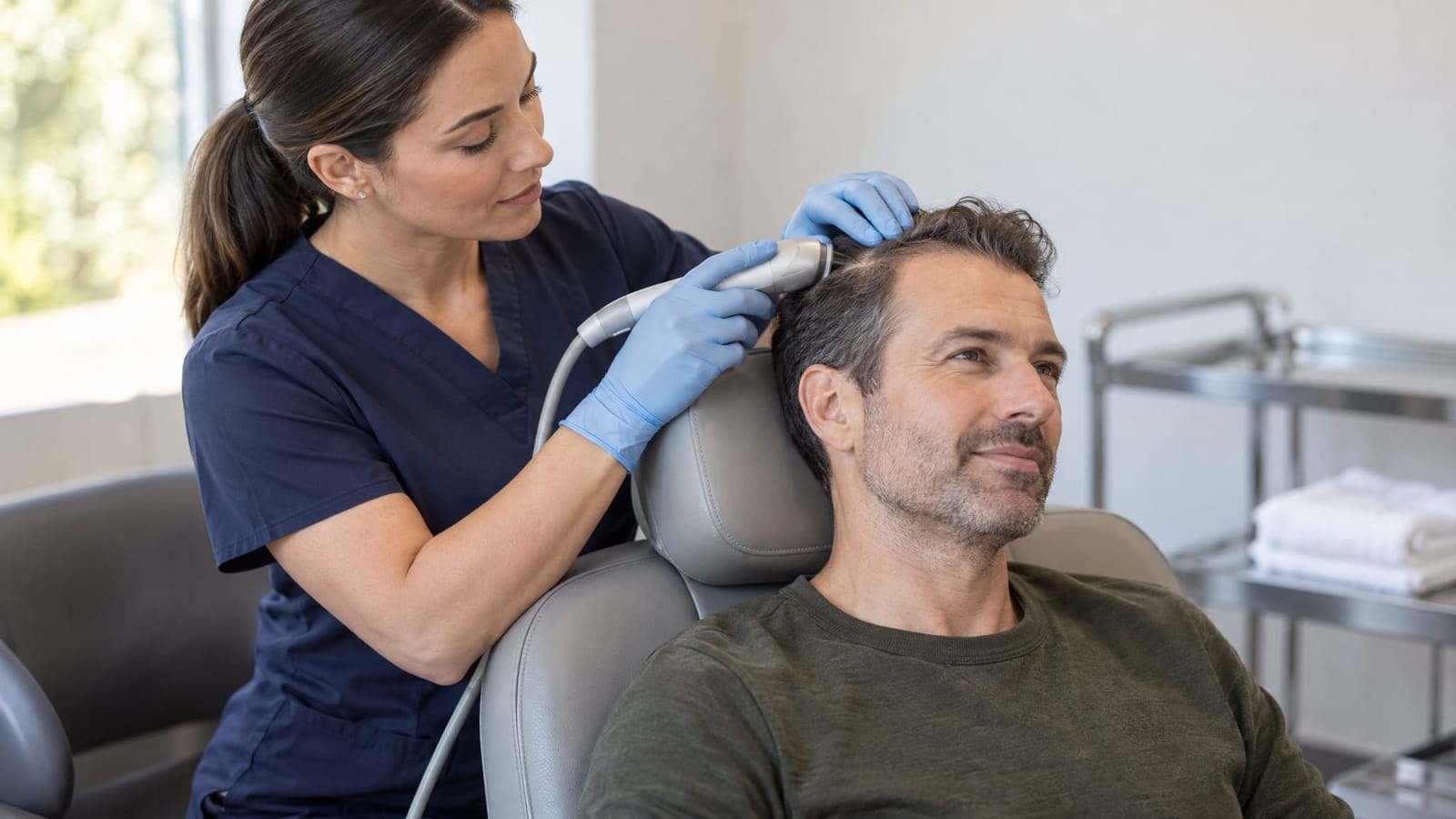
- Low-Level Laser Therapy (LLLT): FDA-cleared LLLT devices stimulate cellular energy production in follicles by delivering specific wavelengths of light to the scalp. Used as part of a comprehensive hair loss after 40 treatment protocol, LLLT supports follicle activity between more intensive regenerative sessions.
- PRP (Platelet-Rich Plasma) therapy: A well-established regenerative treatment using the patient's own concentrated growth factors. PRP injections into the scalp have been shown in multiple controlled trials to increase hair count and thickness in patients with androgenetic alopecia. At Chara Health USA, PRP is often used as a foundational component of a broader hair loss after 40 treatment protocol.
Regenerative therapies represent a rapidly evolving area of science. The team at Chara Health USA is physician-guided and committed to evidence-based personalization, not one-size-fits-all protocols. Your provider will discuss what the current evidence supports in the specific context of your health history and hair loss pattern.
Hair Loss After 40 Treatment: What a Longevity-Focused Protocol Looks Like in Practice
One of the distinguishing features of Chara Health USA's approach to hair loss after 40 treatment is that hair restoration is integrated into a broader longevity and wellness strategy: never treated as an isolated cosmetic procedure. This distinction matters enormously. Hair loss is often a visible signal of underlying biological aging. Treating it as such yields better results and more comprehensive health insights.
A comprehensive evaluation at Chara Health USA typically includes the following steps:
- A detailed medical and lifestyle history, including family history of hair loss, hormonal changes, stress levels, sleep quality, and previous treatments
- Advanced laboratory testing to assess hormone levels, nutrient status, thyroid function, inflammation markers, and metabolic health
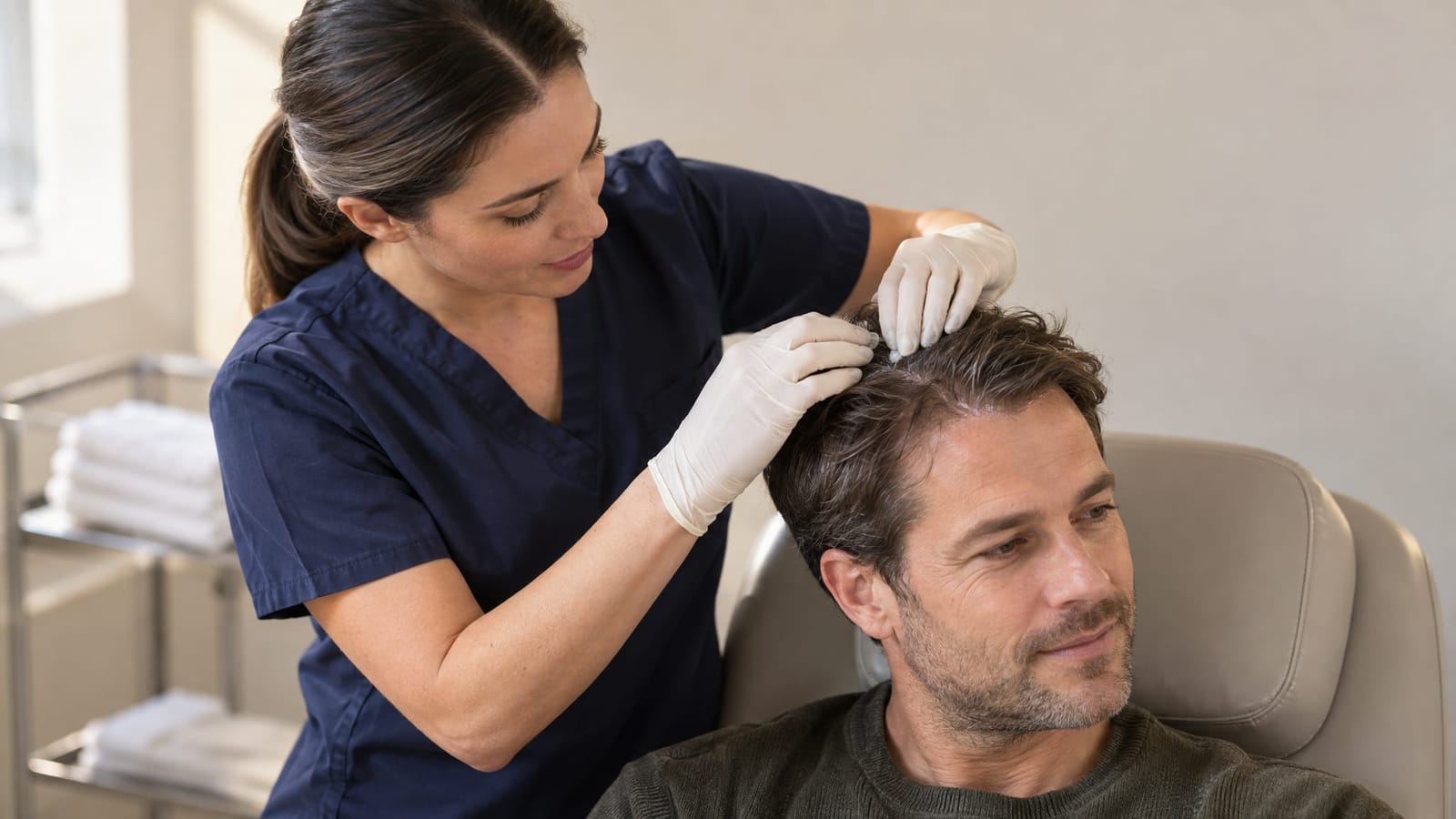
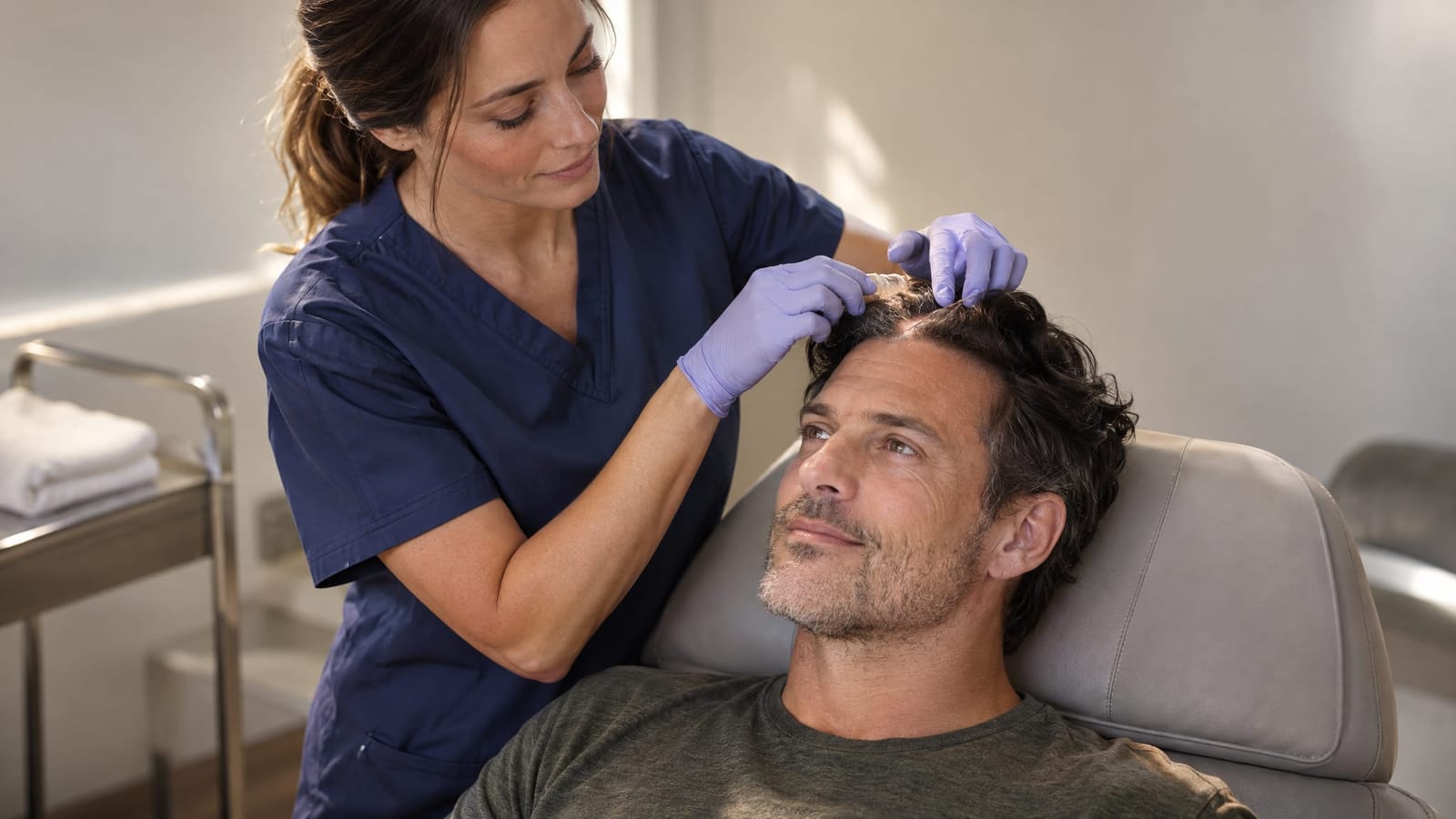
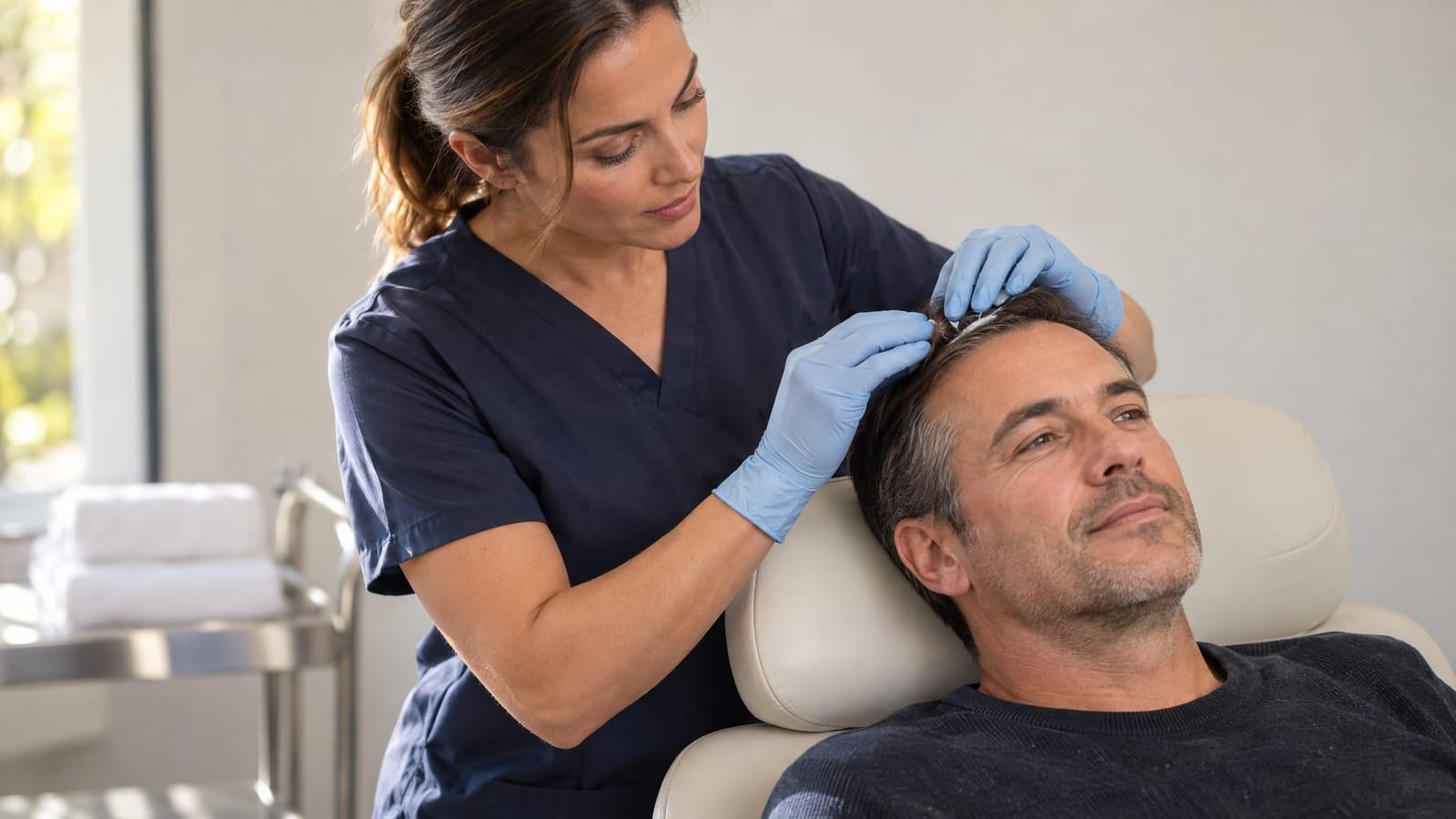
- Scalp evaluation using trichoscopy to assess follicle density, miniaturization patterns, and scalp health at a clinical level
- A personalized hair loss after 40 treatment plan integrating in-office regenerative therapies with a customized at-home maintenance protocol
- Ongoing monitoring at regular intervals, with treatment adjustment based on objective progress measures, because successful hair loss after 40 treatment is a sustained process, not a single intervention
Patients who pursue hair restoration at Chara Health USA often report that the evaluation process itself is illuminating. Discovering an undetected thyroid imbalance, a significant vitamin D deficiency, or a hormonal pattern contributing to hair loss frequently opens doors to improvements in energy, mood, and overall wellbeing, not just hair density. That's the promise of treating hair loss within a true longevity framework.
Comparing Hair Loss After 40 Treatment Options: A Quick Reference Guide
Understanding the range of available options helps you have a more informed conversation with your physician. The table below summarizes the most common hair loss after 40 treatment approaches, including their mechanisms, typical timelines, and key considerations.
Conventional Hair Loss After 40 Treatments
Conventional treatments are widely available and relatively affordable. They work best when hair loss is mild to moderate and caught early. Minoxidil (topical or oral) is suitable for both men and women and works by extending the growth phase of existing follicles. Finasteride (oral) is approved for men and works by blocking DHT conversion. Both require ongoing use to maintain results and neither addresses the cellular aging driving hair loss after 40 at a root-cause level.
Regenerative Hair Loss After 40 Treatments
Regenerative treatments operate at a biological level that conventional medications cannot reach. PRP therapy delivers concentrated growth factors from your own blood directly to the follicle environment. Exosome therapy provides cell-to-cell signaling molecules that prompt follicle stem cells to activate and proliferate. Microneedling with growth factors combines mechanical stimulation with targeted biological support. These treatments generally require a series of sessions, typically three to six over the first six months, followed by maintenance intervals. Most patients pursuing regenerative hair loss after 40 treatment at Chara Health USA see measurable improvement in hair density and texture within four to six months.
Surgical Hair Restoration
Hair transplant surgery, including FUE (Follicular Unit Excision) and FUT (Follicular Unit Transplantation), can be highly effective for patients with sufficient donor hair. Surgery is best considered when follicle loss is advanced and non-surgical hair loss after 40 treatment has reached its limits. At Chara Health USA, regenerative protocols are often recommended before and after surgical procedures to optimize the health of transplanted follicles and support overall scalp biology.
Lifestyle Factors That Amplify Hair Loss After 40 Treatment Results
Medical treatments for hair loss after 40 produce better and faster results when paired with lifestyle optimization. These aren't substitutes for clinical treatment: they're powerful amplifiers of it. The physicians at Chara Health USA routinely counsel patients on evidence-based lifestyle strategies that support follicle health from the inside out.
Nutrition for Follicle Health
Hair follicles are among the most metabolically active structures in the body. They require a consistent supply of protein, iron, essential fatty acids, and micronutrients to maintain healthy growth cycles. Prioritize a diet rich in lean protein, leafy greens, fatty fish, eggs, nuts, and seeds. Reduce ultra-processed foods and refined sugars, which promote systemic inflammation that research increasingly links to follicle miniaturization. A 2017 review in Dermatology and Therapy found that nutritional deficiencies, particularly iron, vitamin D, and zinc, were significantly associated with hair loss in adults over 40. If dietary gaps are identified in your lab work, targeted supplementation guided by your Chara Health USA provider addresses deficiencies more precisely than over-the-counter hair supplements.
Stress Management and Sleep Quality
Chronic stress elevates cortisol: a hormone that directly disrupts the hair growth cycle by pushing follicles prematurely into the resting (telogen) phase. This is the mechanism behind telogen effluvium, a form of diffuse hair shedding that frequently intensifies hair loss after 40 when stress is unmanaged. Consistently poor sleep compounds this effect by reducing overnight cellular repair processes that keep follicles healthy. Prioritizing sleep quality and stress reduction are not optional wellness suggestions. They are clinically meaningful components of any hair loss after 40 treatment plan, and they directly influence how well regenerative therapies work.
Scalp Care and Circulation
Regular scalp massage, as little as four minutes daily, has been shown in a 2016 study published in ePlasty to increase hair thickness by stimulating dermal papilla cells. Keeping the scalp clean, well-hydrated, and free from product buildup also supports the optimal environment for follicle function. Avoid hairstyles that create chronic tension on the follicle, such as tight braids or ponytails, as traction-related hair loss can compound the pattern loss already occurring after 40. Your Chara Health USA provider can recommend specific scalp care products that complement your regenerative hair loss after 40 treatment protocol rather than working against it.
What to Expect From Hair Loss After 40 Treatment: Setting Realistic Timelines
One of the most common points of confusion for patients pursuing hair loss after 40 treatment is timeline. Hair restoration is a slow process, and for good biological reasons. Hair grows approximately half an inch per month. The growth cycle itself spans two to six years. Any treatment that supports follicle regeneration must work within this biological timeline.
Here's a general framework for what patients at Chara Health USA can expect from a regenerative hair loss after 40 treatment protocol:
- Months 1-2: Reduction in shedding is often the first sign that treatment is working. Many patients notice less hair loss before they notice new growth. This is a clinically meaningful early signal.
- Months 3-4: Fine, light "vellus" hairs may begin to emerge in areas of previous thinning. Hair texture in existing strands may begin to improve.
- Months 4-6: Most patients see measurable improvement in hair density and coverage. This is the point at which trichoscopy and photo comparisons at Chara Health USA provide objective confirmation of progress.
- Months 6-12: Continued thickening and density improvement as more follicles complete full growth cycles. Maintenance treatments are scheduled to sustain the biological environment supporting follicle health.
- Year 2 and beyond: Long-term maintenance becomes the focus. The goal shifts from restoration to preservation: protecting the gains achieved and slowing the natural progression of age-related follicle decline.
Patience and consistency are essential components of successful hair loss after 40 treatment. Patients who commit to their full protocol, including at-home maintenance and lifestyle optimization, consistently achieve better outcomes than those who treat regenerative sessions in isolation.
Frequently Asked Questions About Hair Loss After 40 Treatment
Is hair loss after 40 reversible?
Whether hair loss can be significantly improved depends on the underlying cause, how long loss has been progressing, and the current health of individual follicles. Follicles that are miniaturized but still biologically active respond more readily to hair loss after 40 treatment than those that have been dormant for extended periods. A physician evaluation, including trichoscopy and laboratory testing, is the most reliable way to assess your specific situation. At Chara Health USA, this evaluation is the starting point for every hair restoration patient, and it provides a clear picture of what treatment can realistically achieve for you.
How is women's hair loss after 40 different from men's, and does treatment differ?
Women typically experience diffuse thinning across the crown and top of the scalp rather than the receding hairline pattern more common in men. Hormonal changes related to perimenopause and menopause play a particularly significant role in women's midlife hair loss, making hormonal evaluation an essential part of any hair loss after 40 treatment for women. Treatment protocols at Chara Health USA are individualized, so while the regenerative tools used may overlap between men and women, the hormonal optimization component, nutritional targets, and specific growth factor concentrations are calibrated to each patient's biology and lab results.
How long does it take to see results from regenerative hair loss after 40 treatment?
Hair grows slowly, typically half an inch per month, and most hair restoration approaches require consistent treatment over several months before meaningful changes become visible. Most patients at Chara Health USA are counseled to assess their initial response at the three-to-six-month mark, with continued improvement expected over 12 months of sustained hair loss after 40 treatment. Your provider will set realistic, individualized expectations based on your starting point, the specific treatments in your plan, and your response to early phases of therapy.
Are exosome therapies for hair loss FDA-approved?
The regulatory landscape for exosome-based therapies is actively evolving. These treatments are offered in physician-supervised clinical settings and are considered emerging therapies in many contexts. At Chara Health USA, your physician will discuss the current state of the evidence transparently, including what is established, what is investigational, and what the available clinical data shows, so you can make a fully informed decision aligned with your health goals and risk tolerance. Transparency about the evidence is a core commitment of how Chara Health USA approaches every hair loss after 40 treatment conversation.
Can I combine regenerative treatments with medications like minoxidil?
In many cases, yes. Combining conventional medications with regenerative hair loss after 40 treatment protocols can be complementary when properly supervised by a physician. Minoxidil's circulation-enhancing effects may work synergistically with exosome or PRP therapy's regenerative signaling. The physicians at Chara Health USA review all current medications and supplements during your initial consultation to design a hair loss after 40 treatment protocol that maximizes benefit and minimizes any risk of interaction.
How do I know if I'm a good candidate for regenerative hair loss after 40 treatment?
Most adults over 40 experiencing early to moderate hair loss are potential candidates for regenerative hair loss after 40 treatment. The best candidates are those with biologically active, even if miniaturized, follicles, who are in generally good health and motivated to commit to a sustained protocol. A comprehensive evaluation at Chara Health USA determines candidacy based on follicle viability, lab results, hormonal status, and overall health picture. The earlier you seek evaluation, the wider your range of effective treatment options.
Taking a Smarter Approach to Hair Loss After 40 Treatment
Hair loss after 40 is real, it's biologically driven, and it deserves a thoughtful, evidence-based response, not dismissal. The convergence of hormonal shifts, cellular aging, reduced scalp circulation, and inflammation that defines midlife hair loss calls for a similarly multifaceted approach to treatment. Regenerative medicine offers a genuinely promising framework for addressing these root causes rather than simply managing surface-level symptoms. For patients who are health-conscious and invested in their long-term vitality, hair loss after 40 treatment is not a cosmetic indulgence: it's a meaningful part of a comprehensive longevity strategy.
If you've tried conventional hair loss after 40 treatment without the results you were hoping for, exploring a comprehensive, physician-guided regenerative protocol may open meaningful new possibilities. The team at Chara Health USA approaches hair restoration the way we approach every aspect of longevity care, with rigorous science, deep personalization, and a commitment to treating the whole person, not just the symptom. We don't offer generic protocols. We offer precision medicine applied to one of the most personal health concerns you can face.
Key takeaways from this guide:
- Hair loss after 40 has multiple biological causes: hormonal, cellular, vascular, inflammatory, and nutritional
- Effective hair loss after 40 treatment addresses all relevant drivers, not just the most obvious one
- Regenerative medicine offers tools, including exosomes, PRP, peptides, and hormone optimization, that conventional treatments cannot match in depth
- Earlier intervention consistently produces better results across all hair loss after 40 treatment modalities
- Lifestyle optimization, including nutrition, sleep, and stress management, amplifies clinical treatment outcomes significantly
- A personalized, physician-guided approach at Chara Health USA ensures your hair loss after 40 treatment plan reflects your unique biology, not a generic formula
Ready to explore what a regenerative approach to hair loss after 40 treatment could mean for you? Schedule a consultation with the physicians at Chara Health USA to begin with a comprehensive evaluation and a clear, honest conversation about your options. The right hair loss after 40 treatment plan starts with understanding exactly what's happening in your scalp, and building a protocol designed specifically around you.