Hair Restoration in Los Angeles: The Regenerative Medicine Approach at Chara Health
Introduction: Why Hair Restoration in Los Angeles Is Evolving
You've noticed it in the shower drain. In the part of your hair that seems wider than it used to be. In the crown of your head that catches light differently now. Hair loss is a deeply personal experience that quietly reshapes how you see yourself. For many people seeking hair restoration in Los Angeles, it becomes a journey through confusing products, procedures, and promises that don't always deliver.
Minoxidil may have slowed things down. Finasteride came with side effects you weren't prepared for. PRP sounded promising, but the results felt modest. Now you're wondering: is there something more advanced, more targeted, and more aligned with how the body actually heals and regenerates?
The answer, for a growing number of patients, lies in regenerative medicine. This field is fundamentally changing how hair loss is understood and addressed. At Chara Health USA, serving patients across the San Fernando Valley, including Woodland Hills, Burbank, and Chatsworth, regenerative hair restoration protocols are designed around the biology of your follicles, not just the cosmetic appearance of your scalp.
This guide covers everything you need to understand about the science of hair loss, the limitations of conventional approaches, and how advanced therapies, including exosomes, peptides, low-level laser light, and proprietary regenerative products, are opening new possibilities. This is education, not medical advice. Your journey should always begin with a consultation with a qualified healthcare professional.
The State of Hair Restoration in Los Angeles: What Patients Are Experiencing
Los Angeles is home to one of the most competitive and innovative healthcare markets in the world. For people dealing with hair loss, that means access to a wide spectrum of options, from budget-friendly over-the-counter solutions to cutting-edge regenerative therapies. But having more options doesn't always make the decision easier.
According to the American Hair Loss Association, approximately 85% of men will experience significant hair thinning by age 50. Women aren't spared either: roughly 40% of hair loss sufferers in the United States are women, yet female hair loss remains underdiagnosed and undertreated. In a city where personal appearance and professional image carry significant weight, these numbers translate into a large, underserved population seeking real solutions.
Hair restoration in Los Angeles has historically been dominated by two categories: pharmaceutical treatments and surgical hair transplants. Both have their place. But a significant gap exists between those options: a gap that regenerative medicine is uniquely positioned to fill. Chara Health USA was built to serve patients in that gap: people who want more than a pill or a surgery, and who are ready to invest in a biology-first approach to lasting follicle health.
Why Los Angeles Patients Are Turning to Regenerative Medicine
Several trends are driving increased interest in regenerative hair restoration in Los Angeles. First, health-conscious, high-achieving individuals in LA are increasingly treating their bodies as long-term investments: they want solutions that support overall wellness, not just cosmetic patch jobs. Second, as research on exosomes, peptides, and photobiomodulation advances, more patients are becoming aware that science has moved beyond minoxidil and finasteride. Third, the Los Angeles lifestyle, high stress, environmental exposures, and demanding schedules, can accelerate hair loss, creating urgency around finding effective, sustainable solutions.
Chara Health USA sits at the intersection of these trends, offering physician-guided regenerative protocols that align with how health-focused Angelenos already think about their wellbeing.
Understanding Hair Loss: The Biology Behind What You're Seeing
Before exploring solutions, it helps to understand what's actually happening beneath the scalp. Hair loss is not simply a cosmetic issue. It is a biological process involving genetics, hormones, inflammation, and the health of specialized structures called hair follicles.
The Hair Growth Cycle
Every hair on your head passes through three distinct phases: anagen (active growth), catagen (transition), and telogen (rest and shedding). Healthy follicles cycle through these phases continuously. When something disrupts this cycle, hormonal changes, chronic inflammation, nutritional deficiencies, or genetic predisposition, follicles begin spending more time resting and less time growing. Over time, affected follicles may miniaturize, producing thinner and shorter hairs until they eventually become dormant.
The anagen phase typically lasts two to six years. During this time, hair grows approximately six inches per year. Disruptions that shorten the anagen phase are among the earliest signs of progressive hair loss, and one of the most important targets of regenerative hair restoration in Los Angeles.
The Role of DHT in Pattern Hair Loss
Androgenetic alopecia, commonly known as male pattern baldness or female pattern hair thinning, is the most prevalent form of hair loss worldwide. In men, it affects approximately 50% of those over age 50, according to the American Hair Loss Association. The hormone dihydrotestosterone (DHT), a derivative of testosterone, binds to receptors in genetically susceptible follicles and progressively shrinks them. This process is called follicular miniaturization.
Women experience a different but related pattern. Female pattern hair loss typically presents as diffuse thinning across the crown rather than a receding hairline. Hormonal fluctuations associated with menopause, pregnancy, thyroid conditions, and polycystic ovary syndrome (PCOS) can accelerate this process significantly.
Other Forms of Hair Loss
Beyond androgenetic alopecia, other common forms of hair loss include:
- Alopecia areata: An autoimmune condition that causes patchy, unpredictable hair loss
- Telogen effluvium: Sudden diffuse shedding triggered by stress, illness, surgery, or nutritional deficiency
- Traction alopecia: Hair loss caused by chronic mechanical tension, common with certain hairstyles
- Scarring alopecia: Permanent follicle damage caused by inflammation or injury
- Nutritional alopecia: Hair loss driven by deficiencies in iron, zinc, biotin, or protein
Each of these conditions has distinct underlying mechanisms. This is why a one-size-fits-all approach to hair restoration in Los Angeles rarely produces optimal outcomes. Understanding the root cause of your specific hair loss is the essential first step, and the foundation of any thoughtful, individualized treatment plan.
The Limitations of Conventional Hair Loss Treatments
Conventional hair loss treatments have been the standard of care for decades, and for good reason: they carry clinical evidence. But for many patients, especially those who've already tried these approaches, the limitations are just as familiar as the benefits.
Minoxidil
Minoxidil (sold under brand names like Rogaine) prolongs the anagen phase of the hair growth cycle and improves blood flow to follicles. It's widely available, relatively affordable, and can slow hair loss while supporting modest regrowth in some users. However, it requires continuous, lifelong use. Stopping the medication often results in loss of any gains within months. It also doesn't address the underlying hormonal or inflammatory drivers of follicle miniaturization. Results vary significantly from person to person.
Finasteride
Finasteride inhibits the enzyme that converts testosterone to DHT. This effectively reduces the hormonal signal that causes follicular miniaturization. It's approved for use in men and has shown meaningful results in clinical studies. However, it carries a risk of side effects, including sexual dysfunction, that cause many patients to avoid or discontinue use. It is not approved for women of childbearing age.
Traditional PRP (Platelet-Rich Plasma)
PRP therapy involves drawing a patient's blood, concentrating the platelet-rich layer, and injecting it into the scalp to deliver growth factors to hair follicles. It was a meaningful step forward when it emerged as a hair restoration option in Los Angeles clinics. Many patients have benefited from it. That said, the quality and concentration of growth factors in PRP can vary considerably based on the equipment used and the individual patient's baseline platelet levels. For older patients or those with significant follicle miniaturization, PRP may produce underwhelming results.
This is precisely the gap that regenerative medicine is designed to address. Patients who have tried these approaches without satisfactory results aren't out of options. They may simply need a more advanced, biology-driven protocol: the kind offered at Chara Health USA.
Regenerative Hair Restoration in Los Angeles: A New Framework for Follicle Health
Regenerative medicine is a branch of biomedical science focused on harnessing the body's own repair mechanisms, or supplementing them with advanced biological agents, to restore function at the cellular level. When applied to hair restoration in Los Angeles, this approach moves beyond symptom management and toward addressing the fundamental biology of follicle health.
Rather than simply asking, "How do we stop hair from falling out?" regenerative medicine asks, "How do we support the biological environment in which hair follicles thrive?" The distinction matters enormously, especially for patients whose follicles are miniaturized but not yet completely dormant.
The Regenerative Window of Opportunity
One of the most important concepts in regenerative hair restoration is the biological window of opportunity. Follicles that have miniaturized but retain some function may respond to regenerative signaling: growth factors, exosomes, peptides, and improved cellular communication. Follicles that have been completely dormant for many years present a more difficult picture. This is why earlier intervention often yields more meaningful outcomes. It's also why an individualized assessment is so important before beginning any protocol.
At Chara Health USA, the initial consultation is specifically designed to evaluate where a patient falls within this window. This assessment shapes every element of the treatment protocol that follows.
How Regenerative Therapies Work Differently
Conventional treatments typically target a single mechanism: DHT suppression, blood flow improvement, or platelet-derived growth factors. Advanced regenerative protocols work across multiple biological pathways simultaneously. They may influence inflammation, cellular signaling, mitochondrial function, and the extracellular matrix surrounding follicles. All of these play roles in follicle health and the hair growth cycle.
This multi-pathway, physician-guided approach is what defines the regenerative hair restoration experience at Chara Health USA for patients throughout the greater Los Angeles area.
Key Advantages of the Regenerative Approach
- Non-surgical: No incisions, no scarring, no lengthy recovery periods
- Personalized: Protocols are tailored to individual biology, not standardized menus
- Multi-mechanism: Addresses multiple drivers of hair loss simultaneously
- Integrated: Fits within a broader framework of healthy aging and whole-body wellness
- Physician-guided: Every protocol is designed and monitored by a qualified medical professional
Exosome Therapy: The Next Frontier in Hair Restoration in Los Angeles
Among the most exciting developments in regenerative hair restoration in Los Angeles is the emergence of exosome therapy. Exosomes are nanoscale extracellular vesicles: tiny structures released by cells that carry a complex cargo of proteins, lipids, and genetic information (including messenger RNA and microRNA) from one cell to another.
Think of exosomes as a highly sophisticated cellular messaging system. When stem cells communicate with surrounding tissues, they often do so through exosomes. These structures deliver instructions that can influence how recipient cells behave, including whether follicle cells enter an active growth phase or remain dormant.
Exosomes vs. Traditional PRP: Understanding the Difference
PRP delivers growth factors derived from a patient's own blood. Exosome preparations, particularly those derived from mesenchymal stem cells, carry a broader and more concentrated payload of signaling molecules. Research in this area is still evolving. Early findings suggest that exosomes may communicate with follicle cells in ways that extend beyond what platelet-derived growth factors alone can accomplish. For patients who have not responded adequately to traditional PRP, this difference in biological complexity can be clinically meaningful.
A 2021 study published in the International Journal of Molecular Sciences found that exosome-based therapies demonstrated promising potential for stimulating hair follicle regeneration by modulating key signaling pathways involved in the hair growth cycle. Research is ongoing, and Chara Health USA closely monitors the evolving evidence base to ensure its protocols remain informed by current science.
What to Expect from Exosome Hair Therapy at Chara Health USA
Exosome hair restoration is typically administered through a series of scalp injections. These are often combined with other regenerative therapies as part of a comprehensive protocol. It is a non-surgical approach with minimal downtime. The timeline for visible results varies by individual. Multiple sessions may be recommended based on the degree of hair loss and the patient's biological response.
A qualified Chara Health USA physician evaluates each patient's candidacy and sets realistic expectations based on their unique situation. The goal is never to overpromise: it's to provide an honest, science-grounded assessment of what's possible.
Peptides, Laser Therapy, and Combination Protocols for Hair Restoration in Los Angeles
Advanced hair restoration at Chara Health USA doesn't rely on a single modality. The most meaningful outcomes often emerge from carefully designed combination protocols that address multiple aspects of follicle biology simultaneously. Here's how several key therapies contribute to the overall approach.
Peptide Therapies for Hair and Scalp Health
Peptides are short chains of amino acids that serve as signaling molecules in the body. Certain peptides have been studied for their potential influence on hair follicle biology. These include possible roles in stimulating growth factors, supporting scalp circulation, and modulating the inflammatory environment around follicles. Some peptides used in regenerative medicine contexts may support the conditions in which follicles remain active and healthy.
As with all regenerative therapies, the appropriate peptide approach depends on an individual's health history, laboratory findings, and treatment goals. A physician-guided evaluation at Chara Health USA is essential to determine whether peptide integration is appropriate and how it fits within a broader protocol.
Low-Level Laser Light Therapy (LLLT) for Hair Growth
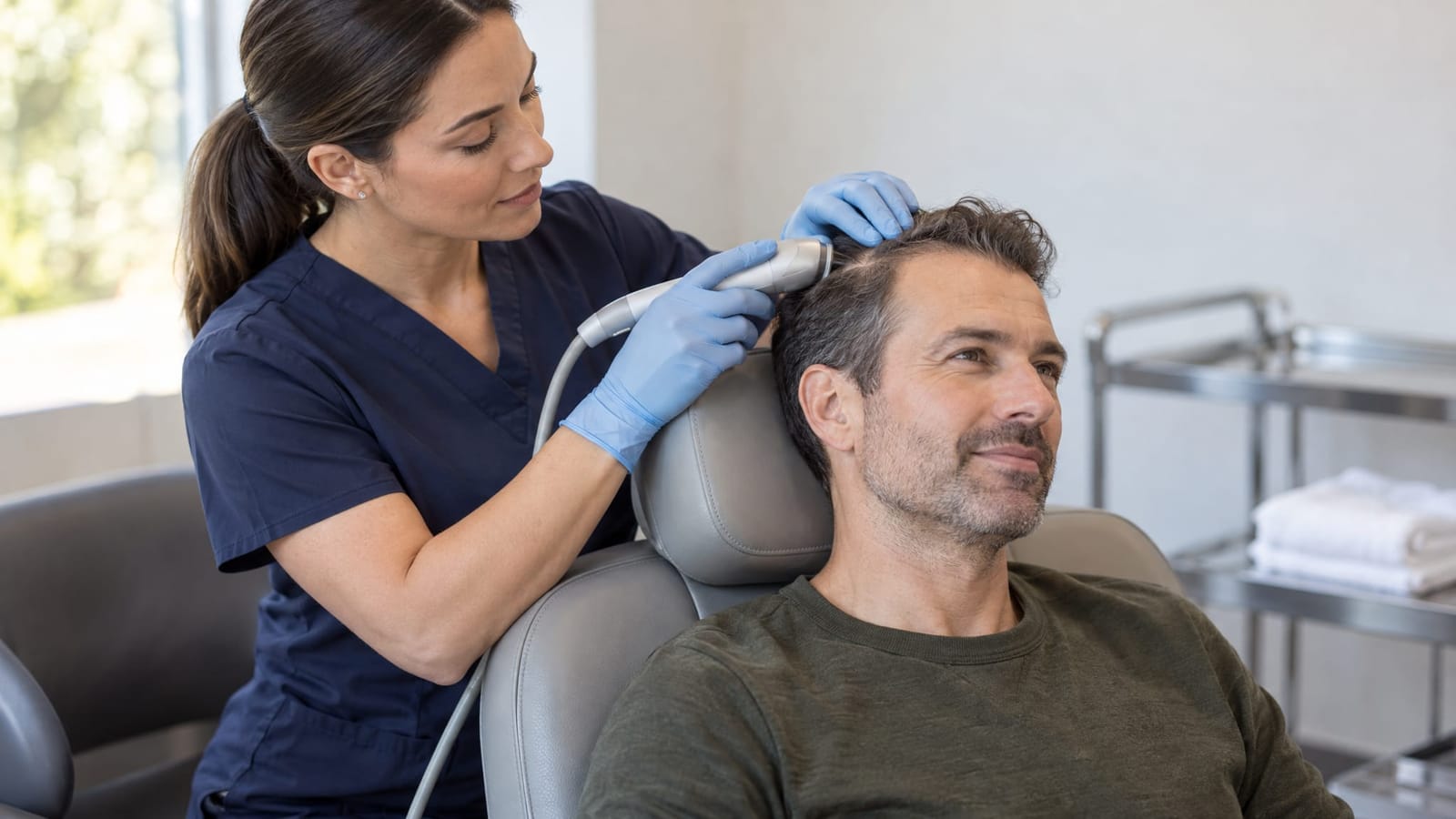
Low-level laser light therapy, also known as photobiomodulation, uses specific wavelengths of light to stimulate cellular activity in scalp tissue. The mechanism involves increased mitochondrial energy production in follicle cells, enhanced blood flow, and a reduction in oxidative stress. All of these factors influence the hair growth cycle directly.
LLLT devices cleared by the FDA for hair loss are available in both clinical and home-use formats. A systematic review published in Lasers in Surgery and Medicine found that LLLT supported hair density and thickness in individuals with androgenetic alopecia. It is generally well-tolerated and integrates well with exosome therapy and other regenerative interventions. For patients seeking non-invasive hair restoration in Los Angeles, LLLT represents a well-supported, accessible complement to more intensive therapies.
Proprietary Stem Cell-Derived Products
Chara Health USA incorporates proprietary stem cell-derived products into select hair restoration protocols. These preparations are developed through rigorous manufacturing processes. They are designed to deliver concentrated regenerative signals to the scalp environment. Physician-supervised use of appropriately sourced and prepared products represents one of the more advanced options available in regenerative hair care today.
Why Combination Protocols Outperform Single Therapies
Hair loss is rarely a single-cause problem. The most effective responses address it from multiple angles. A combination protocol might pair exosome injections with laser light therapy sessions and targeted peptide support, with each therapy reinforcing the others. At Chara Health USA, the specific combination recommended for each patient is determined through a thorough consultation and assessment process, not a standardized service menu. This individualization is a defining feature of the Chara Health USA approach to hair restoration in Los Angeles.
Hair Restoration in Los Angeles for Men vs. Women: Different Presentations, Different Protocols
While the biology of follicle health shares common threads across sexes, the clinical presentation of hair loss, and therefore the approach to addressing it, differs meaningfully between men and women. Understanding these differences is central to building an effective, individualized protocol.
Male Pattern Baldness: Androgenetic Alopecia in Men
Male pattern baldness typically follows predictable patterns described by the Norwood Scale. It begins with hairline recession at the temples and progresses toward crown thinning. In more advanced cases, significant scalp exposure occurs. Because DHT sensitivity is the primary driver, treatments that address androgen signaling can be effective in men. However, they must be weighed against potential side effects and long-term tolerability.
Regenerative protocols at Chara Health USA can serve as standalone approaches or as complements to other interventions, depending on the patient's situation and goals. Many male patients pursuing hair restoration in Los Angeles find that regenerative therapies allow them to achieve meaningful results without the side effect profile associated with finasteride.
Female Hair Thinning: A Distinct and Underserved Challenge
Women rarely experience the dramatic hairline recession seen in men. Female pattern hair loss typically presents as diffuse thinning across the crown and top of the scalp, often with preservation of the frontal hairline. Because hormonal drivers in women are more complex, encompassing estrogen fluctuations, thyroid function, PCOS, and postpartum changes, a thorough hormonal and nutritional evaluation is particularly important before designing a treatment protocol.
Regenerative approaches are especially well-suited to women's hair loss. They support the scalp environment broadly rather than targeting a single hormonal pathway. For women seeking hair restoration in Los Angeles, the Chara Health USA model, which begins with comprehensive lab work and a whole-body health assessment, is designed to identify and address the root causes that are often missed in conventional settings.
Alopecia Areata and Other Non-Androgenetic Conditions
For patients dealing with alopecia areata or other autoimmune-related hair loss, the treatment picture is more nuanced. The underlying immune dysregulation must be considered alongside any regenerative scalp therapies. Some patients with these conditions have pursued regenerative medicine as a supportive option alongside conventional dermatologic care. It is especially important for individuals with autoimmune hair loss to work with a qualified physician who can assess the full clinical picture. Regenerative therapies in this context are supportive, not a replacement for appropriate medical evaluation and management.
Choosing the Right Hair Restoration Clinic in Los Angeles: What to Look For
With so many clinics and providers offering hair restoration in Los Angeles, choosing where to seek care can feel overwhelming. Not all providers are created equal, and the quality of your outcomes depends significantly on the expertise, approach, and integrity of the team you work with.
Key Questions to Ask Any Hair Restoration Provider
Before committing to a hair restoration protocol in Los Angeles, consider asking the following questions:
- Is a licensed physician involved in your evaluation and protocol design? Hair restoration that is purely cosmetic in its approach may miss underlying medical contributors to your hair loss.
- Do they perform diagnostic lab work before recommending treatment? Reputable providers want to understand your biology, not just sell you a package.
- Do they offer a range of evidence-informed therapies? A clinic with only one tool will apply it to every patient, regardless of fit.
- Are they transparent about realistic outcomes and timelines? Any provider promising dramatic, guaranteed results deserves skepticism.
- Do they offer ongoing monitoring and protocol adjustments? Hair restoration is a process, not a one-time event.
At Chara Health USA, every one of these questions is answered with a clear, patient-first approach. The clinic's reputation for hair restoration in Los Angeles is built on transparency, individualization, and physician-guided care, not high-pressure sales tactics or templated treatment packages.
Red Flags to Avoid in Hair Restoration Clinics
Not every clinic offering hair restoration in Los Angeles holds itself to the same standards. Watch out for these warning signs:
- Guaranteed results or money-back promises on complex biological treatments
- No physician consultation before treatment begins
- One-size-fits-all treatment packages with no personalization
- Pressure to commit to expensive multi-session packages in the first appointment
- Vague explanations of what products or technologies are being used
- No follow-up care or monitoring after initial treatment sessions
What to Expect at Chara Health USA: The Patient Journey
For patients in Woodland Hills, Burbank, Chatsworth, and surrounding communities, Chara Health USA offers a personalized approach to hair restoration in Los Angeles that begins long before any treatment is administered. The patient journey is designed to ensure that every recommendation is grounded in a thorough understanding of each individual's health, goals, and biology.
Step 1: Initial Consultation and Comprehensive Assessment
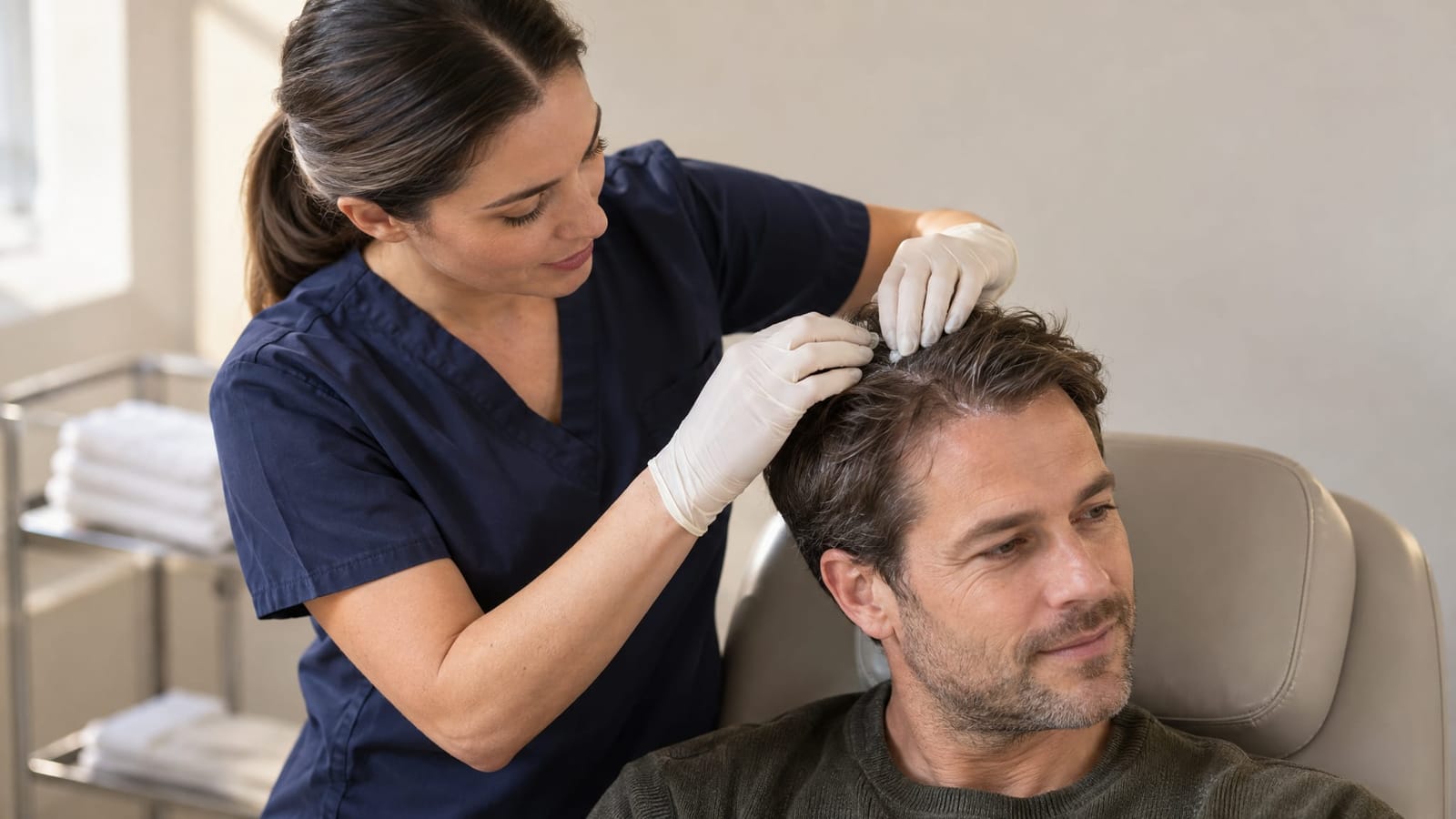
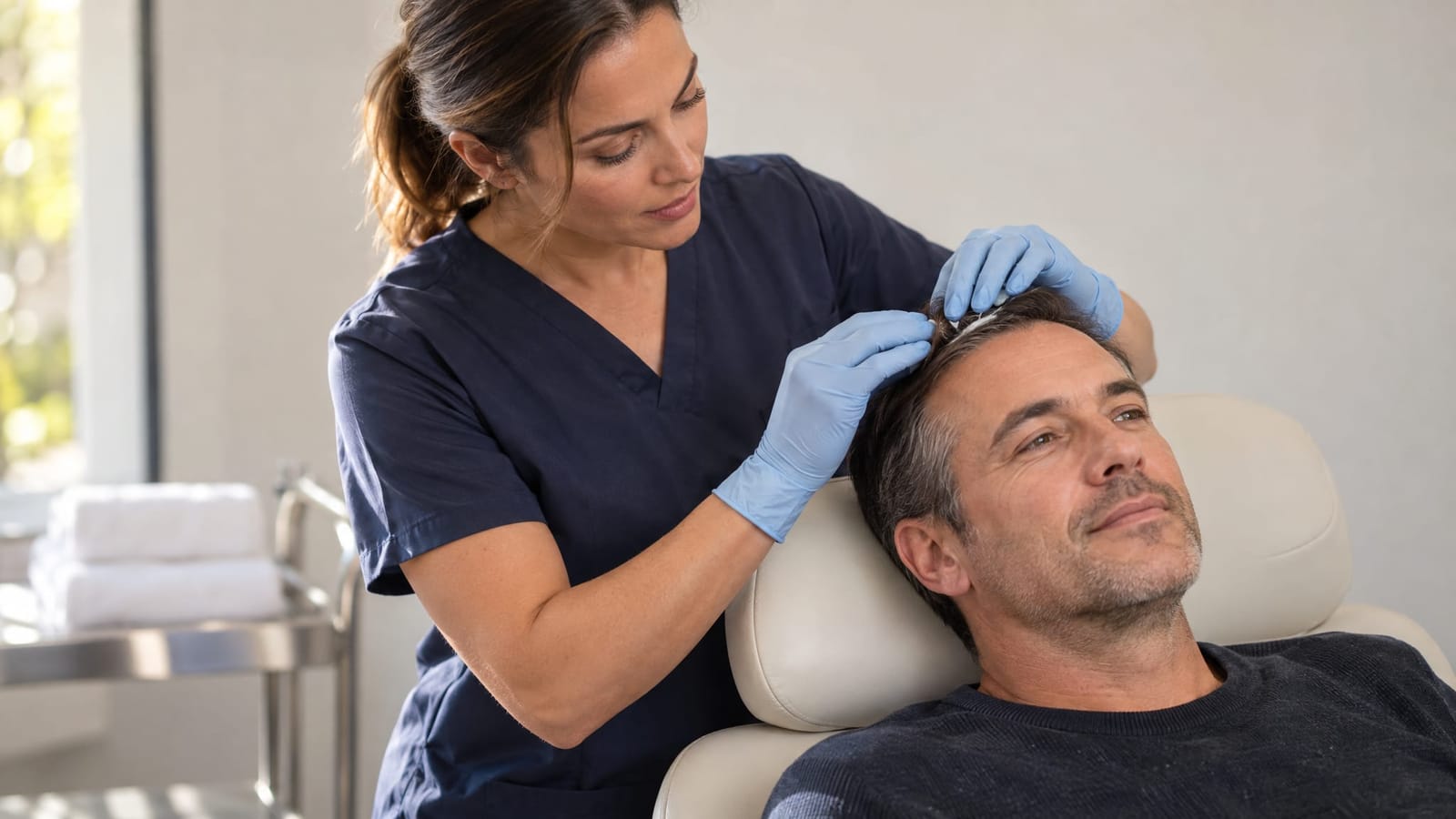
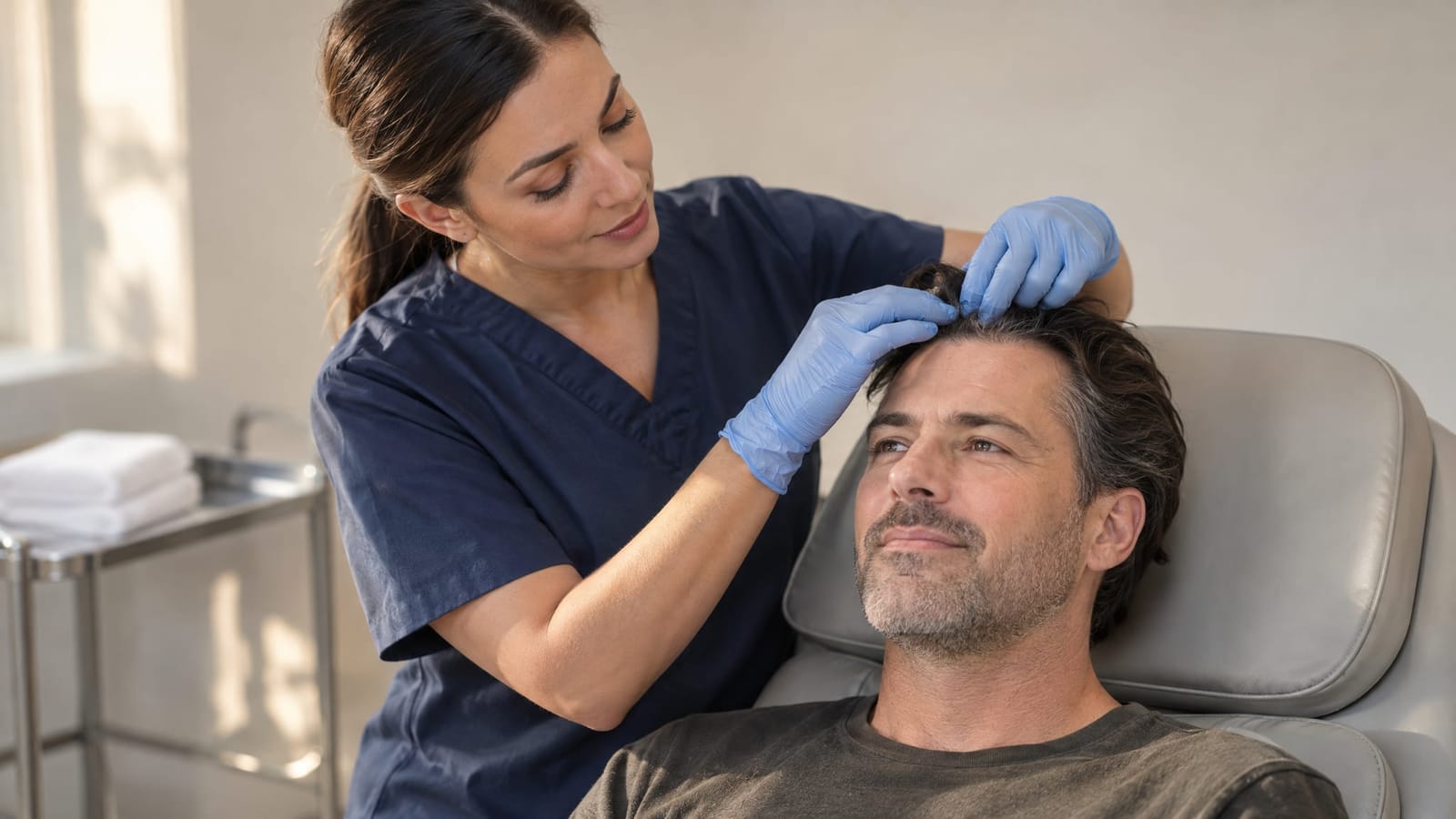
The process begins with a comprehensive consultation. A Chara Health USA physician reviews your medical history, conducts a scalp assessment, and discusses the trajectory of your hair loss. Laboratory work is recommended to evaluate hormone levels, thyroid function, nutritional status, and other markers that influence hair health. This foundational step ensures that any protocol recommended is genuinely tailored, not templated. Patients regularly report that this initial consultation is more thorough than anything they've experienced at other hair restoration clinics in Los Angeles.
Step 2: Personalized Protocol Design
Based on the consultation findings, a customized treatment protocol is designed by the Chara Health USA physician team. This may include a combination of exosome therapy, peptide support, low-level laser light therapy, and proprietary regenerative products: scheduled across multiple sessions to align with the biological timeline of follicle response. Your physician will explain what each element is intended to do and provide a realistic timeline for response. You'll have the information you need to make confident, informed decisions.
Step 3: Treatment and Ongoing Monitoring
Hair restoration is not a single-session event. The health of your follicles, your scalp environment, and your systemic health evolve over time. Chara Health USA's approach includes follow-up assessments to monitor response, make protocol adjustments as needed, and ensure that the trajectory of your treatment remains aligned with your goals. This ongoing, physician-guided relationship distinguishes Chara Health USA from standalone cosmetic treatment providers.
Patients pursuing hair restoration in Los Angeles through Chara Health USA frequently describe the experience as a partnership: one where they feel genuinely seen, heard, and supported throughout the process.
Hair Restoration in Los Angeles: Cost, Candidacy, and Realistic Expectations
One of the most common questions patients ask when exploring hair restoration in Los Angeles is: "What will this cost, and is it worth it?" The honest answer requires understanding what you're comparing against.
Understanding the Investment in Regenerative Hair Restoration
Regenerative hair restoration protocols represent a meaningful financial investment. They are not comparable in cost to a bottle of minoxidil or a generic PRP session. The therapies involved, including pharmaceutical-grade exosome preparations, physician time, comprehensive lab work, and ongoing monitoring, carry inherent costs that reflect their sophistication and quality.
For the target audience that Chara Health USA serves, health-focused individuals who approach their bodies as long-term investments, this context matters. Patients who have already spent significant money on conventional treatments without satisfying results often find that a more advanced, targeted protocol offers better value over time. Hair restoration in Los Angeles through a regenerative lens is not an expense; it's a strategic investment in your health, confidence, and quality of life.
Who Is an Ideal Candidate?
Patients who may be well-suited for regenerative hair restoration at Chara Health USA include those who:
- Have experienced gradual hair thinning rather than complete follicle loss
- Are in the early-to-moderate stages of androgenetic alopecia
- Have tried conventional treatments without achieving satisfying results
- Prefer non-surgical options and minimal downtime
- Are interested in addressing hair loss within a broader framework of overall wellness and healthy aging
- Are women dealing with diffuse thinning, postpartum hair loss, or hormonally driven changes
- Value physician-guided, individualized care over commodity treatments
Patients with very advanced follicle loss, certain systemic health conditions, or specific types of scarring alopecia may face different considerations. A thorough physician consultation is the only reliable way to determine whether a regenerative protocol is appropriate for your individual situation, and what realistic outcomes might look like.
Setting Realistic Expectations
Transparency is a core value at Chara Health USA. Regenerative hair restoration in Los Angeles is not magic, and honest providers will never promise overnight transformations. What regenerative therapies can offer is a biology-first approach that supports follicle health at the cellular level, often producing gradual, progressive improvements that conventional treatments cannot match. Timeline expectations vary by individual, degree of hair loss, and protocol specifics. Your Chara Health USA physician will discuss what a realistic trajectory looks like for your unique situation.
Explore More: Hair Restoration in Los Angeles: Deep Dive Resources
Because hair loss is a complex, multi-faceted topic, each of the following areas deserves deeper exploration. The articles below are part of Chara Health USA's comprehensive hair restoration resource library: each one expanding on a specific aspect of the science, the options, and the decision-making process for patients seeking hair restoration in Los Angeles.
Non-Surgical Regenerative Therapy vs. Hair Transplant Surgery
For many patients, the most fundamental question is whether to pursue a surgical hair transplant, such as FUE or FUT, or to explore non-surgical regenerative alternatives. These two paths have meaningfully different profiles in terms of procedure experience, recovery, cost, candidacy requirements, and the nature of the outcomes they produce. Understanding those differences is essential to making a confident decision. Explore the full comparison in our guide to hair restoration vs hair transplant Los Angeles.
The Science of Exosome Hair Restoration
Exosome therapy is one of the most rapidly evolving areas in regenerative hair medicine. If you're considering this approach or want to understand it more deeply before a consultation, our detailed explainer on exosome hair restoration treatment walks through the biology, the research, and what the current evidence suggests about this exciting frontier.
Hair Restoration for Women in Los Angeles
Women's hair loss is underdiagnosed, undertreated, and deeply misunderstood, even by many healthcare providers. The causes are distinct, the presentation differs from male pattern baldness, and the emotional impact is often significant. Our dedicated guide to hair restoration for women in Los Angeles addresses the most common causes of female hair thinning, the limitations of conventional options, and how a regenerative approach can be tailored to the unique biology of women's hair health.
Low-Level Laser Light Therapy for Hair Growth
Photobiomodulation, the use of specific light wavelengths to stimulate cellular activity, is a non-invasive, evidence-supported option increasingly integrated into regenerative hair restoration protocols across Los Angeles. Explore the science in depth with our guide to laser light therapy for hair growth in Los Angeles.
Conclusion: A Smarter Path to Hair Restoration in Los Angeles
Hair loss is one of the most common and emotionally significant health concerns affecting adults across Los Angeles. Yet for far too long, the options available to those seeking meaningful, lasting results have been limited to pharmaceuticals, generic PRP, or surgery. Conventional treatments have a place in the conversation, but they don't tell the whole story.
Regenerative medicine is expanding what's possible for hair restoration in Los Angeles. By working with the biology of your follicles, through exosomes, peptides, laser light therapy, and physician-guided combination protocols, Chara Health USA offers a more sophisticated, personalized approach for patients in Woodland Hills, Burbank, Chatsworth, and throughout the San Fernando Valley.
This guide is designed to give you a more complete picture: the science of hair loss, the honest limitations of conventional treatments, and the emerging possibilities offered by regenerative medicine. But education is only the first step. Every individual's hair loss journey is unique. The most valuable next step is a consultation with a qualified Chara Health USA physician who can evaluate your specific situation and help you understand what options may be appropriate for you.
Here are the key takeaways from this guide:
- Hair loss is a biological process with multiple drivers: effective treatment addresses root causes, not just symptoms
- Conventional treatments like minoxidil and finasteride have real limitations that leave many patients underserved
- Regenerative therapies, including exosomes, peptides, and LLLT, offer a multi-pathway approach that goes beyond what single-mechanism treatments can achieve
- Earlier intervention preserves more options: the biological window of opportunity matters
- The best hair restoration in Los Angeles begins with a thorough, physician-guided assessment of your individual biology
- Chara Health USA's personalized, regenerative model is designed for patients who want more than surface-level results
If you're ready to explore a regenerative approach to hair restoration in Los Angeles, one that takes your biology, your goals, and your overall health seriously, the team at Chara Health USA is ready to help. Your scalp health is worth a closer look. Your confidence and long-term wellbeing are worth the investment.