Smooth Eye and Non-Surgical Eye Rejuvenation: Erasing Under-Eye Concerns Without Surgery
Why the Eye Area Ages Differently: and Why It Matters
The skin around your eyes is roughly 40% thinner than the skin on the rest of your face. That single fact explains a great deal. It ages faster. It responds more visibly to stress, poor sleep, and sun exposure. And it often reveals fatigue or aging long before the rest of your complexion does.
For many patients exploring a non-invasive facelift Woodland Hills or broader facial rejuvenation program, the eye area is their primary concern. Dark circles, under-eye hollows, puffiness, fine lines, and drooping upper lids can make someone look years older, or simply more tired, than they actually feel.
The good news is that surgical intervention is no longer the only path to meaningful improvement. Non-surgical eye rejuvenation in Los Angeles has evolved significantly, offering physician-guided options that address multiple eye-area concerns with minimal downtime and no incisions. This guide walks through what those options look like, how they work, and what you can reasonably expect from a thoughtful treatment plan.
The Most Common Eye-Area Concerns: and What's Actually Behind Them
Understanding what drives a concern is the first step toward addressing it effectively. Eye-area aging is rarely caused by a single factor. Most patients present with a combination of concerns, each with its own contributing anatomy.
Dark Circles
Dark circles are among the most frequently cited aesthetic complaints. They can stem from several different causes. Volume loss in the tear trough, the groove between the lower lid and the cheek, creates a shadow effect that reads as darkness. Thin skin allows underlying blood vessels to show through. Hyperpigmentation from sun exposure or genetics adds another layer of discoloration. According to some estimates, under-eye circles affect more than 50% of adults at some point in their lives. Because the cause varies, the treatment approach should too.
Under-Eye Puffiness and Hollows
Some patients struggle with puffiness. Others deal with hollows. Occasionally, the same patient has both: fullness in one area and deflation in another. Puffiness often reflects fluid retention or herniated fat pads. Hollows reflect age-related volume loss in the midface and under-eye region. Both can respond to non-surgical approaches, though the specific strategy differs.
Fine Lines and Crepey Texture
The delicate skin around the eyes loses collagen and elastin over time. Fine lines appear first at the outer corners, commonly called crow's feet, and gradually extend inward. The lower lid skin can take on a crepey, papery quality. Research suggests that collagen production begins declining at roughly 1% per year after age 20, which compounds over decades into visible textural changes.
Hooded or Heavy Upper Lids
Mild to moderate upper lid heaviness can result from skin laxity, volume displacement, or brow descent, not necessarily from excess eyelid tissue. In many cases, non-surgical approaches that address brow position or upper periorbital volume can create a gentle lift without surgery.
Chara's Smooth Eye Treatment: How the Approach Works
Chara Health's Smooth Eye treatment is a physician-directed aesthetic protocol designed to address the full range of eye-area concerns described above. Rather than applying a single technology or product, Smooth Eye functions as a layered approach: combining modalities based on each patient's specific anatomy and goals.
What the Treatment May Include
Depending on candidacy and consultation findings, a Smooth Eye treatment plan at Chara may incorporate several elements:
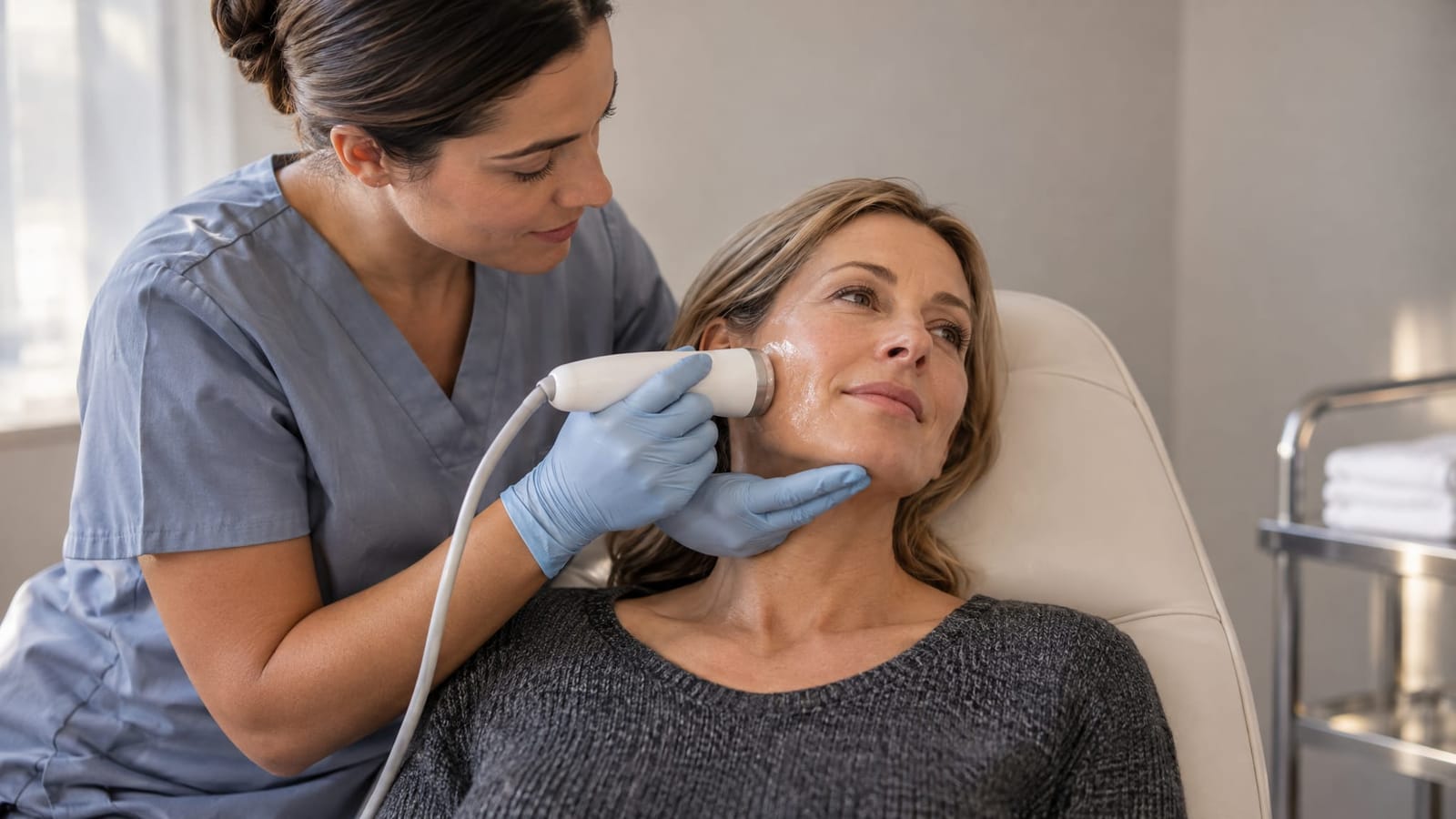
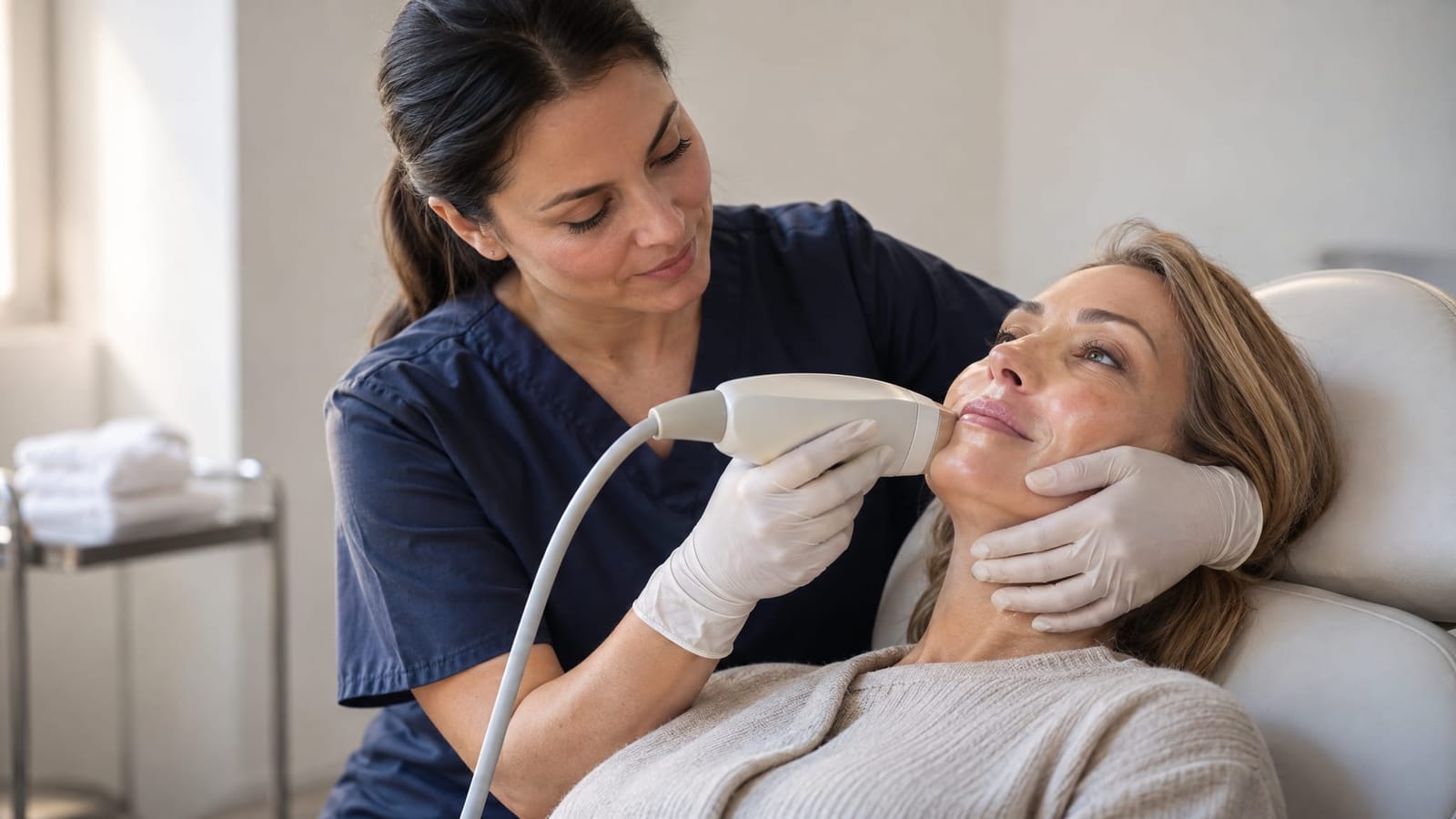
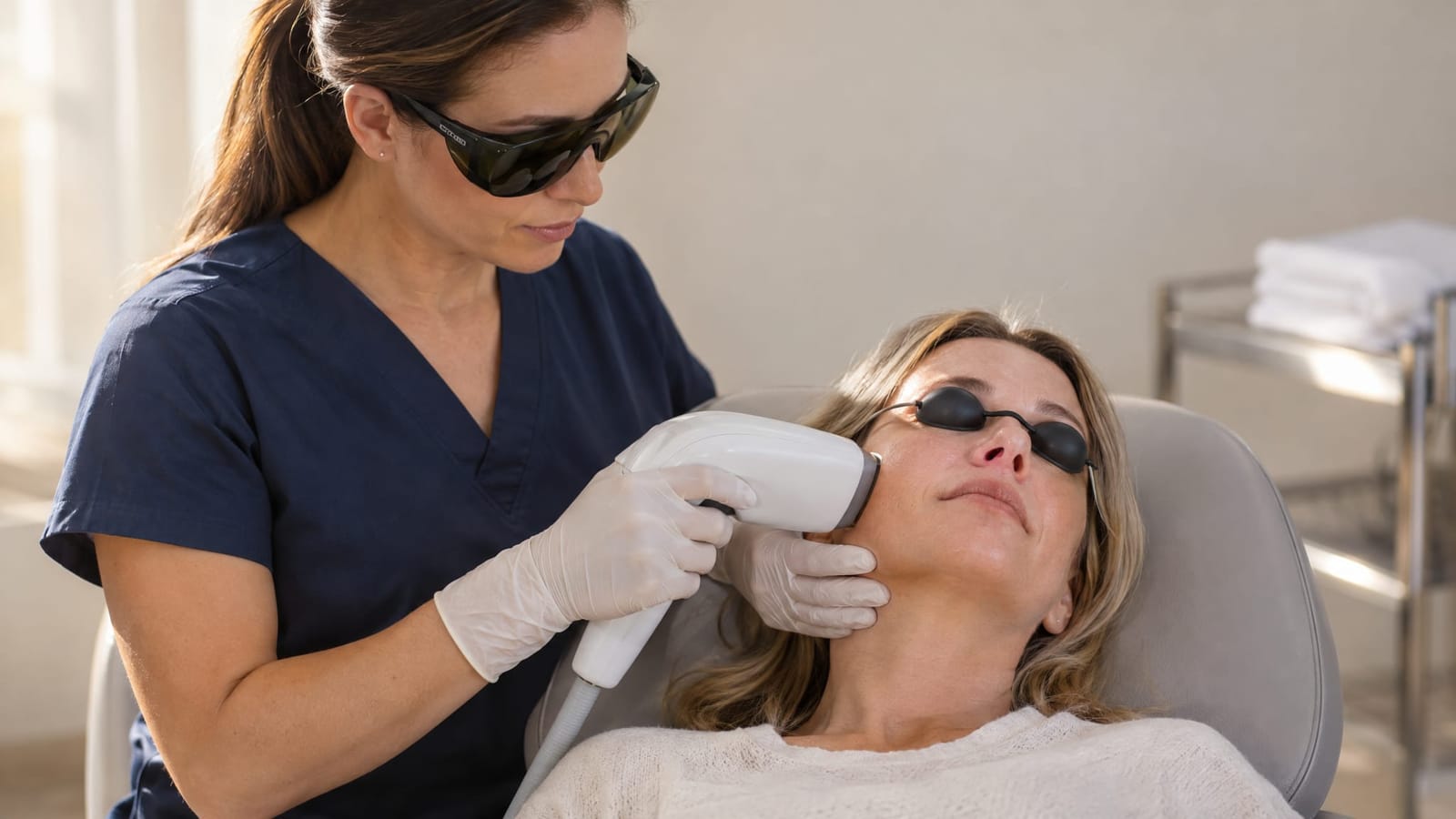
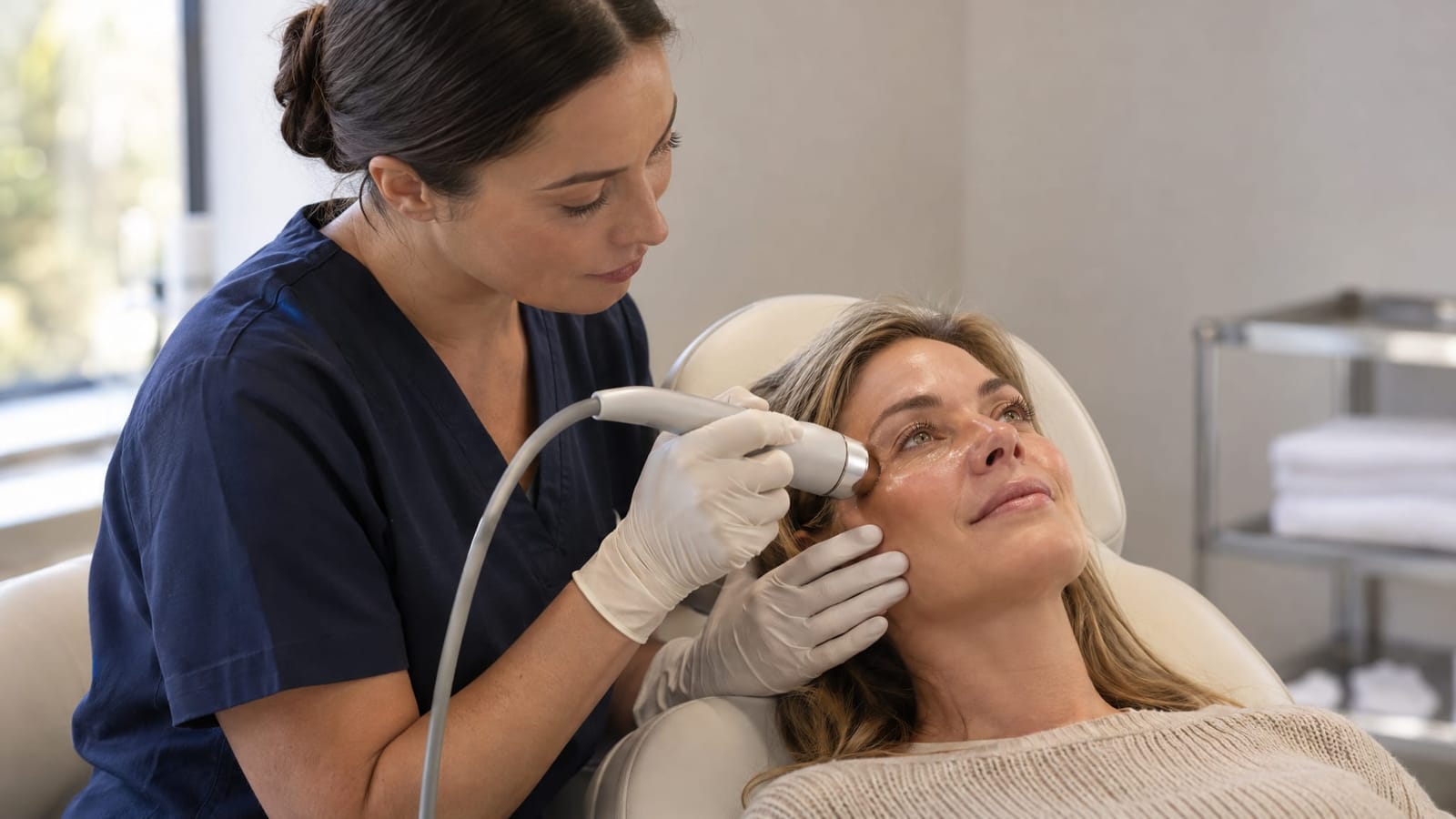
- Precision energy delivery: Radiofrequency, ultrasound, or other energy-based technologies can be used to stimulate collagen remodeling in the periorbital area. These modalities work below the surface without disrupting the skin barrier.
- Volume restoration: Strategic placement of biocompatible materials in the tear trough and under-eye region can soften hollows and reduce shadow-based dark circles.
- Surface refinement: Chemical peels, including options like VI Peel, can address hyperpigmentation and textural irregularities in the delicate under-eye skin.
- Peptide and growth factor support: Topical or injectable peptide formulations may be incorporated to support cellular renewal in the treatment area.
The specific combination is determined during a thorough consultation. There is no universal protocol: that's a deliberate feature of the approach, not an oversight.
EZ Gel and Biostimulatory Options
One newer option gaining attention in non-surgical eye rejuvenation is EZ Gel: a platelet-rich fibrin (PRF) matrix that can be used as a biostimulatory filler alternative. Unlike traditional synthetic fillers, EZ Gel is derived from the patient's own blood and is intended to gradually support tissue quality over time. It is generally considered a gentler option for delicate areas like the under-eye region. As with all injectable treatments, outcomes vary and consultation with a qualified provider is essential before proceeding.
The Role of Exosomes and Peptides in Eye Rejuvenation
One of the more exciting developments in aesthetic medicine over the past several years has been the integration of regenerative science into cosmetic treatment protocols. Exosomes, extracellular vesicles that carry signaling molecules between cells, have attracted significant research interest for their potential role in supporting skin repair and renewal.
When applied topically or used in conjunction with energy-based treatments that enhance absorption, exosome preparations may support the skin's natural recovery process. The periorbital area, with its thin and easily stressed skin, is an area where this kind of cellular support is particularly relevant.
Peptides work through a different but complementary mechanism. Specific peptide sequences are used in aesthetic medicine for their potential to signal collagen synthesis, reduce muscle tension in expression lines, or support skin barrier function. When incorporated into a Smooth Eye protocol, peptides may enhance and extend the results of other treatments.
It's worth stating clearly: research in this area is ongoing. The science is promising, but individual responses vary. These adjuncts are best understood as part of a comprehensive, physician-guided plan, not standalone solutions.
What to Expect: Process, Timeline, and Downtime
One of the primary reasons patients seek non-surgical eye rejuvenation in Los Angeles rather than surgical alternatives is the recovery profile. Surgical blepharoplasty typically involves 1 to 2 weeks of visible recovery, potential bruising and swelling for 3 to 4 weeks, and a longer timeline before final results stabilize.
Non-surgical approaches are meaningfully different in this regard. Most patients tolerate Smooth Eye treatments well and return to normal activities quickly, often the same day or within 24 to 48 hours, depending on the specific modalities used. Mild redness or swelling immediately after treatment is common and typically short-lived.
Results and Realistic Expectations
Results from non-surgical eye rejuvenation are real, but they are also more gradual and generally more subtle than surgical outcomes. Volume treatments tend to show results relatively quickly. Energy-based treatments that stimulate collagen remodeling typically reveal their full benefit over 2 to 4 months as the tissue responds. Maintenance treatments are usually part of the long-term plan.
Managing expectations thoughtfully is part of responsible care. Patients with significant tissue excess, advanced laxity, or complex anatomy may ultimately find that surgical consultation is the more appropriate path. A qualified provider will discuss this honestly during the evaluation process.
Who May Be a Good Candidate for Non-Surgical Eye Rejuvenation
Candidacy for non-surgical eye rejuvenation depends on several factors. This is not a one-size-fits-all treatment, and the consultation process at Chara is designed to identify whether this approach is appropriate for each individual patient.
In general, patients who tend to respond well to non-surgical eye rejuvenation share some common characteristics:
- Mild to moderate under-eye hollowing or volume loss
- Dark circles primarily caused by shadow or vascular show-through, rather than deep pigmentation
- Early to moderate fine lines and textural changes in the periorbital area
- Mild upper lid heaviness related to brow descent or skin laxity rather than significant tissue excess
- A preference for gradual, natural-looking improvement over dramatic change
- Good overall health with realistic expectations about non-surgical outcomes
Patients with more advanced changes, significant structural issues, or medical conditions affecting healing may be better served by surgical consultation. The goal of a thorough evaluation is to ensure the recommended approach genuinely matches the patient's anatomy and goals.
If you're exploring options and wondering where to start, non-surgical eye rejuvenation near me Woodland Hills is a useful starting point for understanding what Chara serves and how to schedule a consultation in your area.
Combining Eye Rejuvenation With a Broader Facial Plan
The eye area does not age in isolation. Changes in the midface, brow position, and skin quality all influence how the periorbital region looks. For patients pursuing comprehensive facial improvement, Smooth Eye treatments integrate naturally into a broader non-invasive facelift approach.
Pairing eye rejuvenation with treatments that address cheek volume, skin texture, or facial contour often produces more harmonious results than treating any single zone in isolation. This is why Chara's approach emphasizes full-face assessment and coordinated treatment planning rather than piecemeal interventions.
For a broader view of how individual treatments fit into a comprehensive non-surgical strategy, the pillar overview of non-invasive facial rejuvenation provides helpful context across Chara's full aesthetic portfolio.
Related Details Worth Exploring
If you're considering Smooth Eye treatment or non-surgical eye rejuvenation at Chara, two companion resources go deeper on specific aspects of the approach:
- For a focused look at whether treatment can meaningfully address dark circles and under-eye hollows, smooth eye treatment dark circles explores the nuance behind these specific concerns in more detail.
- To understand the geographic service area and what a consultation looks like for patients across the San Fernando Valley and surrounding communities, the location-specific resource on non-surgical eye rejuvenation near me Woodland Hills offers practical information.
Conclusion: A Thoughtful Path to Brighter, Refreshed Eyes
The eye area is often the first place aging becomes visible, and one of the most meaningful areas to address. Non-surgical eye rejuvenation in Los Angeles has matured into a sophisticated, physician-guided field that can achieve real results for the right candidates, without surgery, without extended downtime, and without the risks that come with invasive procedures.
Chara's Smooth Eye approach reflects a broader philosophy: that effective aesthetic care is personalized, layered, and grounded in a thorough understanding of each patient's anatomy and goals. If you're curious about what non-surgical eye rejuvenation might look like for you, the best next step is a consultation with Chara's team. Come in with your questions, and leave with a clear picture of what's possible.
Ready to explore your options? Contact Chara Health to schedule a personalized consultation and learn whether Smooth Eye or another non-surgical eye rejuvenation approach is right for your goals.