Exosome Hair Restoration: How Extracellular Vesicles Regenerate Hair Follicles
When exploring hair restoration in Los Angeles, most people encounter the same short list of options: minoxidil, finasteride, PRP, or surgery. But for patients who have tried these approaches without meaningful results, the conversation is shifting toward something far more sophisticated. Exosome hair restoration treatment represents one of the most scientifically compelling developments in follicle regeneration available today. As part of a broader regenerative medicine approach to hair health, this therapy works at the cellular level: addressing the biological signals that drive follicle activity rather than simply masking symptoms. This guide walks through exactly how exosomes work, what makes exosome hair restoration treatment distinct from older methods like PRP, what a treatment protocol typically looks like at Chara Health USA, and what kind of results timeline patients can reasonably expect when working with a qualified physician.
What Are Exosomes and Why Do They Matter for Hair Loss?
To understand why exosome hair restoration treatment has generated significant clinical interest, it helps to start with the biology. Exosomes are nanoscale extracellular vesicles: tiny membrane-bound particles naturally produced by cells throughout the body. They function as biological messengers, carrying a sophisticated cargo of proteins, lipids, messenger RNA (mRNA), microRNA, and signaling molecules from one cell to another. These particles typically range from 30 to 150 nanometers in diameter, making them small enough to penetrate tissue and interact directly with target cells.
Think of exosomes as highly targeted communication packages. When a cell needs to send instructions to a neighboring cell, to repair tissue, modulate inflammation, or shift into a regenerative state, exosomes are one of the primary delivery mechanisms. They don't act randomly. They carry precise molecular "instructions" that recipient cells can interpret and act upon, influencing gene expression, protein production, and cellular behavior in measurable ways.
In the context of hair loss, this matters enormously. Hair follicles cycle through distinct phases: anagen (active growth), catagen (transition), and telogen (resting and shedding). In many forms of hair thinning, including androgenetic alopecia and some inflammatory conditions, follicles become progressively miniaturized and spend increasing time in the resting phase. The stem cells and dermal papilla cells responsible for follicle activation become less responsive over time, and the intercellular communication that once supported robust hair growth begins to break down.
Exosome hair restoration treatment targets this communication breakdown directly. By delivering concentrated signaling molecules into the scalp environment, exosomes may help shift dormant follicles toward a more active state, support the local growth factor milieu, and create conditions more favorable for sustained follicle activity. A 2022 systematic review published in the Journal of Cosmetic Dermatology examining exosome-based treatments across multiple alopecia types reported high patient improvement scores and no serious adverse events in the reviewed trials: an encouraging early signal from the research community.
It is important to note that this field is still evolving. Exosome hair restoration treatment is not a guaranteed cure for hair loss. Results vary between individuals, and any treatment decision should be made in consultation with a qualified physician who can assess your specific situation and candidacy.
The Science Behind Exosome Hair Restoration Treatment: Cellular Mechanisms Explained
Understanding the mechanism behind exosome hair restoration treatment requires a closer look at what happens at the follicle level, and why dormant follicles sometimes fail to reactivate on their own. Three primary pathways explain how exosomes influence hair follicle biology.
Dermal Papilla Cell Signaling and the Wnt Pathway
The dermal papilla is a specialized cluster of cells at the base of each hair follicle. These cells play a central role in regulating the hair growth cycle, sending chemical signals that govern when follicles enter the anagen growth phase. When dermal papilla cells become less active, due to inflammation, hormonal changes, aging, or dihydrotestosterone (DHT) sensitivity, the signals needed to initiate growth become weaker and less frequent. Research has identified the Wnt/β-catenin signaling pathway as a critical regulator of this process. Exosomes delivered during exosome hair restoration treatment can carry molecules that reinforce this pathway, potentially helping to reactivate follicles that have shifted into a prolonged resting state. A 2021 study published in Stem Cell Research & Therapy demonstrated that mesenchymal stem cell-derived exosomes promoted dermal papilla cell proliferation and upregulated Wnt pathway activity in in vitro models: providing a mechanistic basis for the clinical observations practitioners like those at Chara Health USA are beginning to document.
Anti-Inflammatory Effects at the Scalp Level
Chronic low-grade scalp inflammation is increasingly recognized as a contributing factor in many forms of progressive hair loss, including androgenetic alopecia. Inflammatory cytokines around the follicle create a hostile microenvironment that suppresses growth signals and accelerates miniaturization. Exosomes derived from certain cell sources carry anti-inflammatory cytokines, interleukin-10 (IL-10), and regulatory microRNAs that may help modulate this inflammatory environment. By helping to quiet inflammatory signaling around the follicle, exosome hair restoration treatment may restore a healthier local environment that is more receptive to regenerative signals. This dual action, delivering positive signals while reducing negative ones, is part of what makes the approach mechanistically compelling.
Multi-Factor Growth Factor Delivery
Exosomes sourced from high-quality mesenchymal stem cell lines carry a concentrated and diverse array of growth factors that influence follicle health from multiple angles simultaneously. Key growth factors present in well-characterized exosome preparations include:
- VEGF (Vascular Endothelial Growth Factor): Supports scalp vascularity and blood supply to follicles, ensuring nutrient and oxygen delivery
- KGF (Keratinocyte Growth Factor): Promotes keratinocyte proliferation, which is essential for hair shaft production
- FGF-7 and FGF-10 (Fibroblast Growth Factors): Associated with follicle cycling and the transition from telogen to anagen
- IGF-1 (Insulin-Like Growth Factor 1): Supports cellular growth and survival in follicle structures
- PDGF (Platelet-Derived Growth Factor): Involved in tissue repair and cellular recruitment around the follicle
This multi-signal delivery distinguishes exosome hair restoration treatment from single-growth-factor approaches and helps explain why practitioners at Chara Health USA have incorporated it as a centerpiece of advanced hair restoration protocols.
Exosome Hair Restoration Treatment vs. PRP: Key Differences That Matter
One of the most common questions patients ask when researching exosome hair restoration treatment is how it compares to PRP (platelet-rich plasma): a therapy many have already tried. This is a fair and important question, and the differences are clinically meaningful. For a deeper side-by-side analysis, the comparison explored in exosome vs PRP hair treatment covers this in greater detail, but the core distinctions are worth understanding here.
Source Consistency and Product Quality
PRP is derived from your own blood. A technician draws blood, spins it in a centrifuge to concentrate platelets, and re-injects the resulting plasma. The quality of PRP is therefore directly tied to the quality of the patient's blood: meaning someone who is older, under nutritional stress, or managing a health condition may produce PRP with significantly fewer bioactive growth factors. There is also meaningful variability between preparation protocols, centrifuge settings, and equipment used across different practices.
Exosomes used in exosome hair restoration treatment, by contrast, can be sourced from standardized, rigorously screened mesenchymal stem cell lines and manufactured under controlled, pharmaceutical-grade conditions. At Chara Health USA, the exosome products used are selected for verified purity, concentration, and documented growth factor content. This level of standardization and quality control is simply not achievable with autologous PRP, which fluctuates based on patient biology and preparation technique.
Signaling Breadth and Biological Complexity
Activated platelets release a defined set of growth factors: primarily PDGF, TGF-β, VEGF, and EGF. While these are useful, the signaling repertoire is relatively narrow. Exosomes, by contrast, transport hundreds of distinct signaling molecules including proteins, bioactive lipids, and regulatory RNA species that can directly influence gene expression within recipient cells. This broader biological signal may support more comprehensive cellular engagement at the follicle level. The distinction matters clinically: patients who have had limited success with multiple rounds of PRP may respond differently to the richer signaling environment delivered through exosome hair restoration treatment.
Who Is the Best Candidate for Exosome Therapy Over PRP?
At Chara Health USA, the following patient profiles tend to generate the most clinical discussion around upgrading from PRP to exosome-based treatment:
- Patients who have completed three or more PRP sessions with limited visible improvement
- Those with concerns about blood-draw quality variability due to age, medications, or health conditions
- Individuals with moderate hair thinning who want a more potent regenerative stimulus
- Patients seeking a non-surgical, physician-supervised approach with the highest available growth factor concentration
- Those interested in combining hair restoration with a broader regenerative medicine wellness plan
What Does Exosome Hair Restoration Treatment Actually Involve?
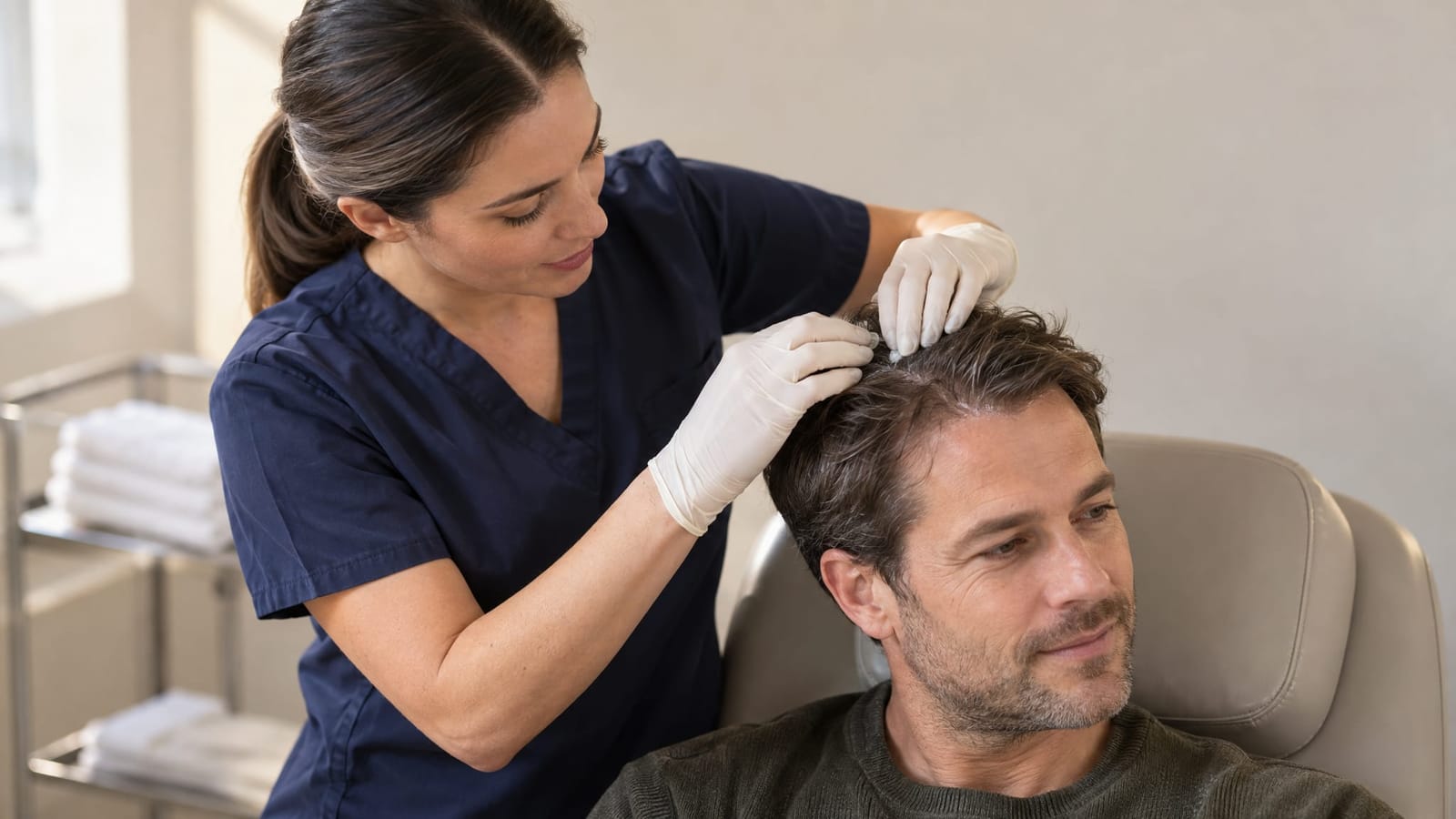
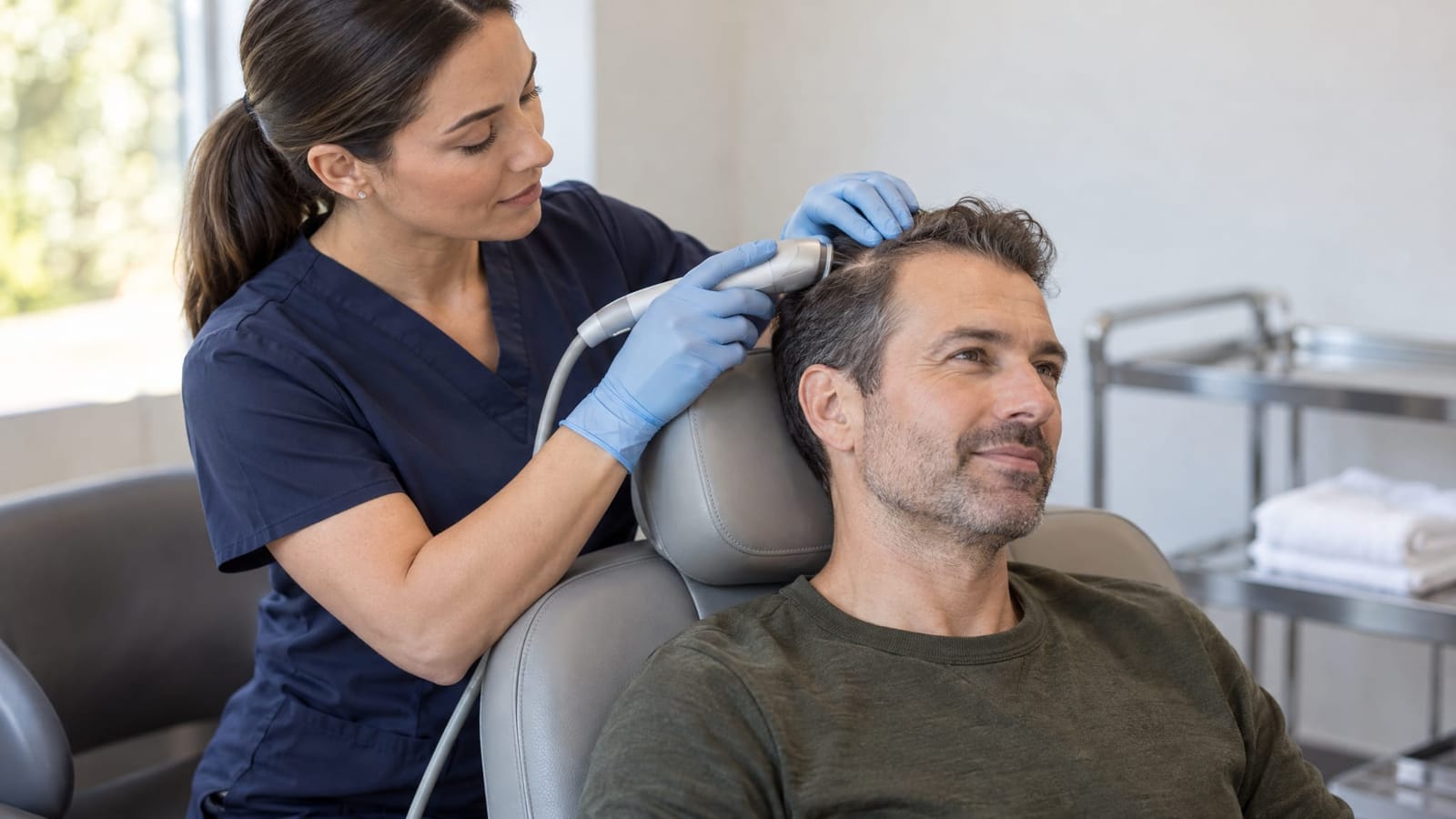
A well-designed exosome hair restoration treatment protocol is not simply an injection: it is a physician-guided, individualized plan tailored to each patient's biology and hair loss pattern. At Chara Health USA, treatment unfolds across several carefully coordinated steps under direct physician oversight.
Step 1: Comprehensive Consultation and Scalp Assessment
Before any treatment begins, the physician at Chara Health USA conducts a thorough evaluation encompassing detailed health history, review of previous hair loss treatments and outcomes, hands-on scalp examination, and in many cases laboratory assessment to identify contributing factors. Hormonal imbalances (including elevated DHT, thyroid dysfunction, or low ferritin), nutritional deficiencies, and autoimmune markers can all influence hair loss and treatment response. Identifying these upstream factors is essential: exosome therapy works best as part of a comprehensive plan, not as an isolated intervention.
Step 2: Scalp Preparation and Microneedling
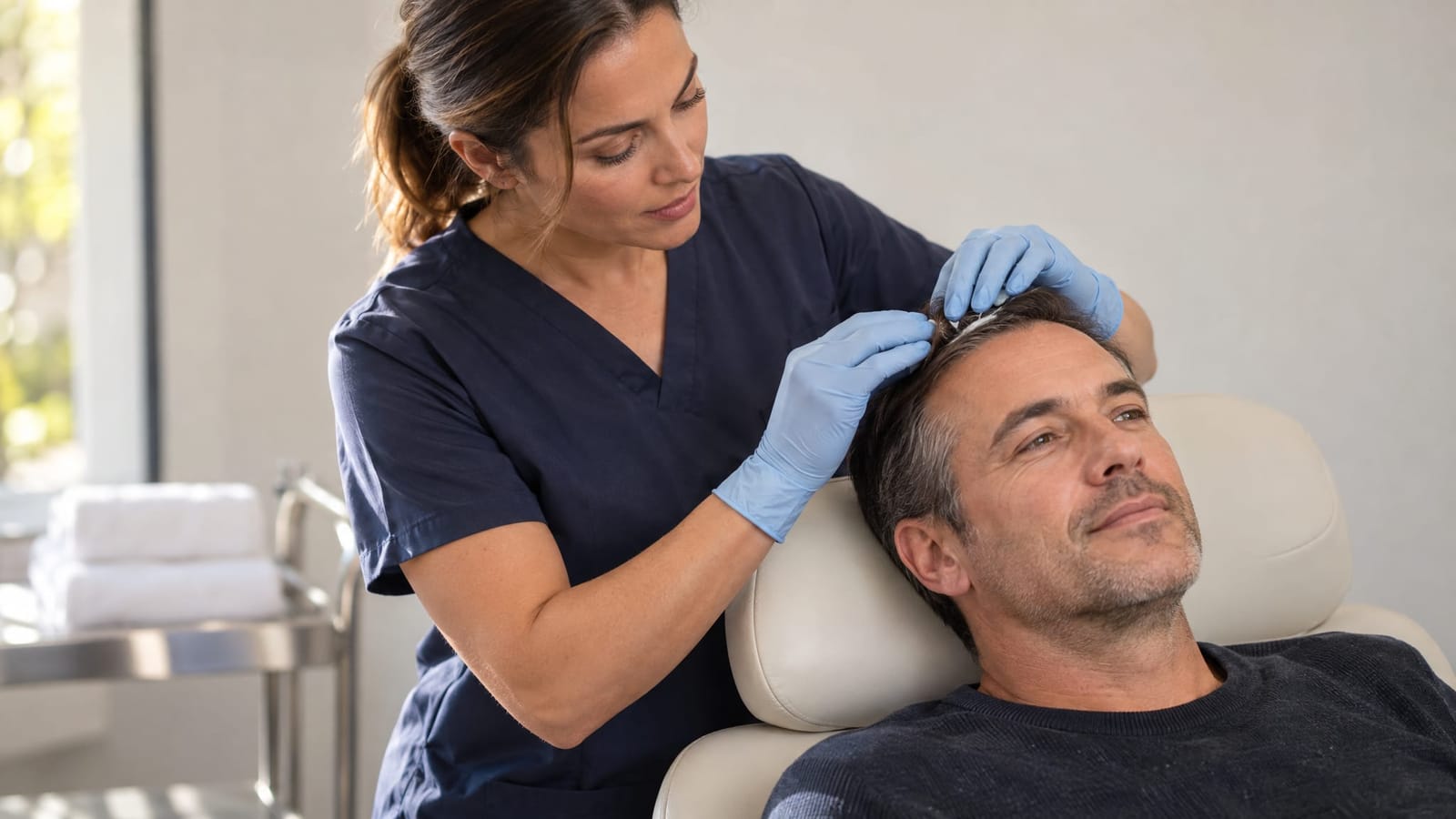
On treatment day, the scalp is thoroughly cleansed and a topical anesthetic is applied to ensure patient comfort throughout the procedure. Many exosome hair restoration treatment protocols at Chara Health USA incorporate a microneedling step prior to exosome application. Microneedling creates controlled microchannels in the scalp dermis that serve two functions: they significantly enhance the penetration and uptake of exosome formulations into the perifollicula tissue, and they independently stimulate a localized wound-healing response that may amplify the regenerative effect. Studies evaluating microneedling combined with growth factor application have demonstrated superior outcomes compared to either modality alone.
Step 3: Exosome Application
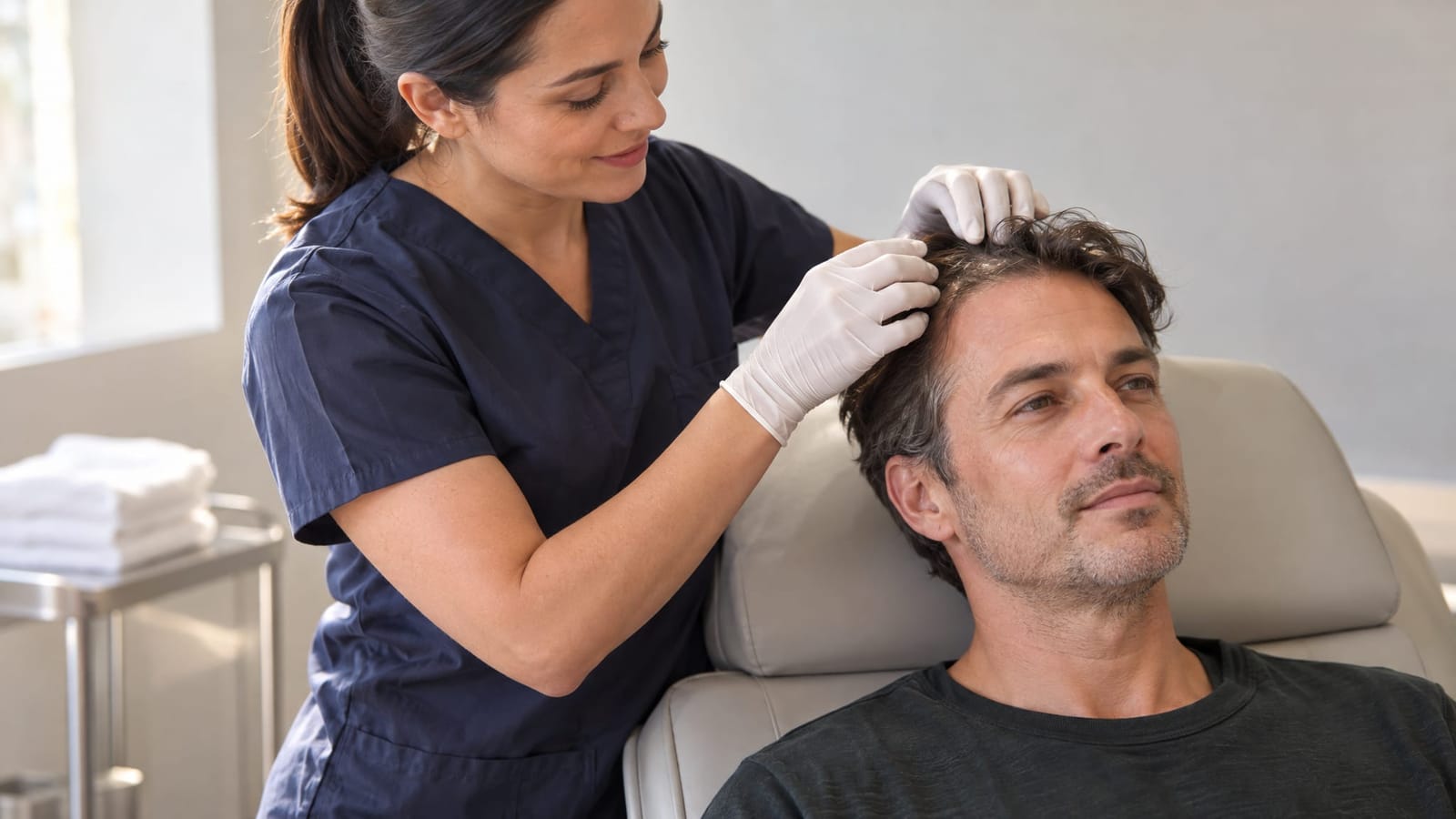
Depending on the patient's specific presentation and the physician's clinical judgment, exosomes may be applied topically following microneedling, delivered via direct scalp injection using fine-gauge needles, or administered through a combination of both methods. The pharmaceutical-grade exosome products used at Chara Health USA are selected based on verified concentration, typically measured in billions of exosome particles per milliliter, and documented growth factor content. This is not a commodity product; the selection and sourcing of the exosome preparation is a critical clinical decision that directly influences outcomes.
Step 4: Post-Treatment Care, Monitoring, and Follow-Up
Following exosome hair restoration treatment, patients receive detailed aftercare instructions covering what to avoid in the immediate post-treatment period, including certain hair products, excessive heat, and strenuous scalp manipulation. Follow-up assessments are scheduled at regular intervals to monitor progress using standardized photography, patient-reported outcomes, and clinical examination. The physician-patient relationship at Chara Health USA doesn't end after the session: ongoing evaluation and protocol adjustment are integral to what distinguishes a regenerative medicine practice from a procedure-only clinic.
Questions about how many sessions may be involved? The details around how many hair restoration sessions are needed depend on multiple individual factors and are best addressed during a personalized consultation at Chara Health USA.
Realistic Results Timeline for Exosome Hair Restoration Treatment
One of the most important things a physician can do for a hair restoration patient is set honest, realistic expectations. This is especially true in hair restoration, where patients often arrive after years of trying different approaches with varying degrees of success and frustration. At Chara Health USA, transparent guidance about timelines is a core part of the consultation process.
Hair follicles operate on biological timelines that no treatment, regardless of how scientifically advanced, can fully bypass. Following exosome hair restoration treatment, the typical patient trajectory looks something like this:
- Weeks 1-4: The scalp may feel mildly sensitive or show minor redness immediately following treatment. No visible hair changes are expected during this early phase. Any cellular activity occurring at this stage happens at a microscopic, sub-visible level.
- Months 1-3: Many patients begin noticing a reduction in shedding or a stabilization of hair loss during this period. This can be an encouraging early signal that follicle activity is shifting, though individual experience varies significantly. Stabilization of loss before visible regrowth is a common and meaningful first step.
- Months 3-6: This is often the window during which new hair growth, when it occurs, first becomes visible. New hairs typically emerge fine and gradually mature in diameter and pigmentation. Early improvements in scalp coverage and density may become apparent.
- Months 6-12: The most meaningful clinical assessment of exosome hair restoration treatment outcomes typically occurs during this window. Follicles that were stimulated in earlier sessions may now be producing visible, maturing hair. Standardized baseline and follow-up photography provides objective comparison data that complements the patient's subjective experience.
- Beyond 12 months: Some patients continue to see incremental improvement beyond the one-year mark, particularly when exosome treatment is part of a multi-session or multi-modality protocol. Annual maintenance treatments may be recommended depending on response.
It is worth emphasizing clearly: hair restoration outcomes are never guaranteed. Some patients experience significant, measurable improvement; others experience more modest changes. The degree of hair loss at treatment onset, patient age, overall systemic health, hormonal status, adherence to a comprehensive care plan, and the individual biology of the follicles all influence what is achievable. The team at Chara Health USA conducts ongoing monitoring so that treatment plans can be adjusted based on how each individual responds over time.
Exosome hair restoration treatment may also be combined with complementary regenerative approaches. For example, peptides for hair regrowth represent another tool that some patients incorporate alongside exosome therapy as part of a broader, personalized protocol designed at Chara Health USA.
Research and Evidence Supporting Exosome Hair Restoration Treatment
Patients who care about their long-term health, and who invest meaningfully in regenerative medicine, rightly want to understand the evidence base behind any treatment they consider. Here is an honest summary of where the research on exosome hair restoration treatment currently stands.
The foundational science is strong. Multiple peer-reviewed studies have demonstrated that mesenchymal stem cell-derived exosomes promote hair follicle cell proliferation, extend the anagen phase in animal models, and upregulate key growth signaling pathways in vitro. A notable 2020 study in ACS Nano demonstrated that exosome-treated mice showed significantly accelerated hair regrowth compared to controls, with histological evidence of increased follicle density. A 2021 human clinical case series published in Dermatologic Therapy reported meaningful hair count improvements in patients treated with exosome injections at six-month follow-up.
Where the evidence is still developing is in large-scale, randomized controlled trials in humans, which remain limited but are actively being conducted across multiple institutions. Practitioners at Chara Health USA follow this literature closely and apply the current best evidence within the context of individualized clinical judgment. This is consistent with how most emerging regenerative therapies evolve: strong mechanistic and early clinical evidence precedes large-scale trial confirmation, which takes years to complete and publish.
The regulatory landscape is also worth noting. In the United States, exosome products used in exosome hair restoration treatment are not FDA-approved for this specific indication, but they are used within a physician-supervised context as part of a broader regenerative medicine practice. Choosing a qualified, medically supervised provider like Chara Health USA is essential for both safety and the integrity of the treatment approach.
Is Exosome Hair Restoration Treatment Right for You?
Exosome hair restoration treatment is not a one-size-fits-all solution. It is not appropriate for every person experiencing hair loss, and an honest consultation is the only way to determine whether it makes sense for your specific situation. At Chara Health USA, the patients who tend to be the strongest candidates include those who meet the following criteria:
- Have tried conventional treatments, including minoxidil, PRP, finasteride, or low-level laser therapy, with limited or unsatisfying results
- Are experiencing early to moderate androgenetic alopecia or diffuse thinning, rather than complete follicle loss across affected areas
- Are interested in a non-surgical, scientifically grounded, regenerative approach to hair health
- Are committed to a multi-session, physician-monitored treatment plan and understand that results develop over months, not weeks
- Are in generally good health with no contraindications identified during a thorough medical evaluation
- Approach their healthcare from a proactive, long-term wellness perspective: consistent with the broader philosophy at Chara Health USA
Patients throughout the greater Los Angeles area, including those searching for hair restoration near me in Woodland Hills and Burbank: can access Chara Health USA's physician-guided approach without traveling far for advanced regenerative care.
From a financial perspective, exosome hair restoration treatment is an investment. Costs generally range from approximately $3,000 to $10,000 depending on the protocol, number of sessions, specific products used, and any combination therapies incorporated into the plan. A personalized consultation at Chara Health USA will provide clear guidance on what a tailored protocol would involve and what to expect at every stage of the process.
Explore Related Topics in This Hair Restoration Series
This post is part of a broader educational series on hair restoration at Chara Health USA. If you found this overview of exosome hair restoration treatment useful, the following topics provide deeper guidance on specific aspects of your hair restoration journey:
- Exosome vs PRP hair treatment: a detailed comparison of how these two approaches differ in mechanism, quality consistency, and typical outcomes
- Peptides for hair regrowth: an exploration of how specific peptides may complement or enhance a hair restoration protocol at Chara Health USA
- How many hair restoration sessions are needed: a practical guide to understanding treatment frequency and what drives that clinical decision
- Hair restoration near me: Woodland Hills and Burbank: serving patients across the greater Los Angeles area at Chara Health USA
Taking the Next Step Toward Regenerative Hair Restoration at Chara Health USA
Exosome hair restoration treatment represents a meaningful and scientifically grounded evolution in how we approach follicle health: moving beyond surface-level stimulation toward cellular-level regenerative signaling that addresses the biological root causes of hair loss. For patients in Los Angeles who have tried conventional options without satisfying results, exosome hair restoration treatment offers a compelling alternative worth exploring with a qualified physician who understands both the evidence and its current limitations.
At Chara Health USA, the approach to exosome hair restoration treatment is built on three pillars: individualized assessment that identifies the real drivers of your hair loss, pharmaceutical-grade treatment products selected for verified quality and concentration, and honest physician guidance at every stage of the process. Patients are not treated as procedure recipients: they are treated as partners in a long-term health plan designed around their unique biology.
Here are the key takeaways for anyone researching exosome hair restoration treatment:
- Exosomes work through biological signaling: delivering growth factors, anti-inflammatory molecules, and regulatory RNA directly to follicle cells
- The treatment offers meaningful advantages over PRP in terms of consistency, signaling breadth, and growth factor concentration
- Results develop over a 6-12 month timeline and are influenced by multiple individual factors
- The strongest candidates are those with early to moderate hair thinning who have not achieved satisfying results with conventional approaches
- Choosing a medically supervised, physician-guided practice like Chara Health USA is essential for both safety and outcomes
If you are ready to learn whether exosome hair restoration treatment is a suitable option for your specific situation, we invite you to schedule a consultation at Chara Health USA. This is the starting point for understanding what is actually possible, and for building a personalized plan designed around your biology, your goals, and your long-term health.